



Snoring is annoying enough at home. But snoring when traveling often feels even more uncomfortable. On a plane, in a hotel room, or in a tent, others sleep close by. You feel embarrassed, your travel companions are awake, and you yourself sleep more restlessly.
The good news: snoring when traveling can often be significantly reduced. In this blog, you'll read why you snore more on vacation than at home. You'll discover what you can do for each travel situation. And you'll learn which aids are worth bringing, depending on the cause of your snoring.
Why do you snore more when traveling than at home?
Snoring occurs when air does not flow freely through your nose and throat. The soft tissues in your throat then vibrate. When traveling, additional factors amplify this. As a result, even people who barely snore at home may snore while traveling.
The main causes at a glance:
- Alcohol. A glass of wine with dinner or a cocktail by the pool relaxes the muscles in your throat. Your tongue and soft palate are more likely to fall backward.
- Sleeping on your back. In an airplane seat or on a narrow camping cot, you are often lying or sitting (partially) on your back. Due to gravity, your tongue falls backward, narrowing your airway.
- Dry air. Air conditioning in the hotel and the low humidity in an airplane dry out your mucous membranes. This makes breathing through your nose more difficult.
- Blocked nose. A different environment means different dust, different pollen, and sometimes an impending cold. A blocked nose pushes you towards mouth breathing.
- Fatigue and a different rhythm. Late nights, early flights, and jet lag lead to deeper, more exhaustive sleep. This also further relaxes your throat muscles.
Mouth breathing plays a role in many of these causes. Research shows that mouth breathing during sleep makes the airway more susceptible to narrowing and breathing disturbances (White et al., 1985). Those who breathe more through their mouth while traveling are therefore more likely to snore.
Did you already snore at home and it gets worse when traveling? Then also read our blog about why you suddenly snore. There we discuss nine possible causes.
Preventing snoring per travel situation
There is no single solution for snoring. What works depends on the cause and where you sleep. Below you can read what helps in each situation.
Snoring on a plane
In an airplane seat, you sit semi-upright, with your head falling backward. This is precisely the position in which your tongue blocks your airway. Moreover, the cabin air is extremely dry.
What helps:
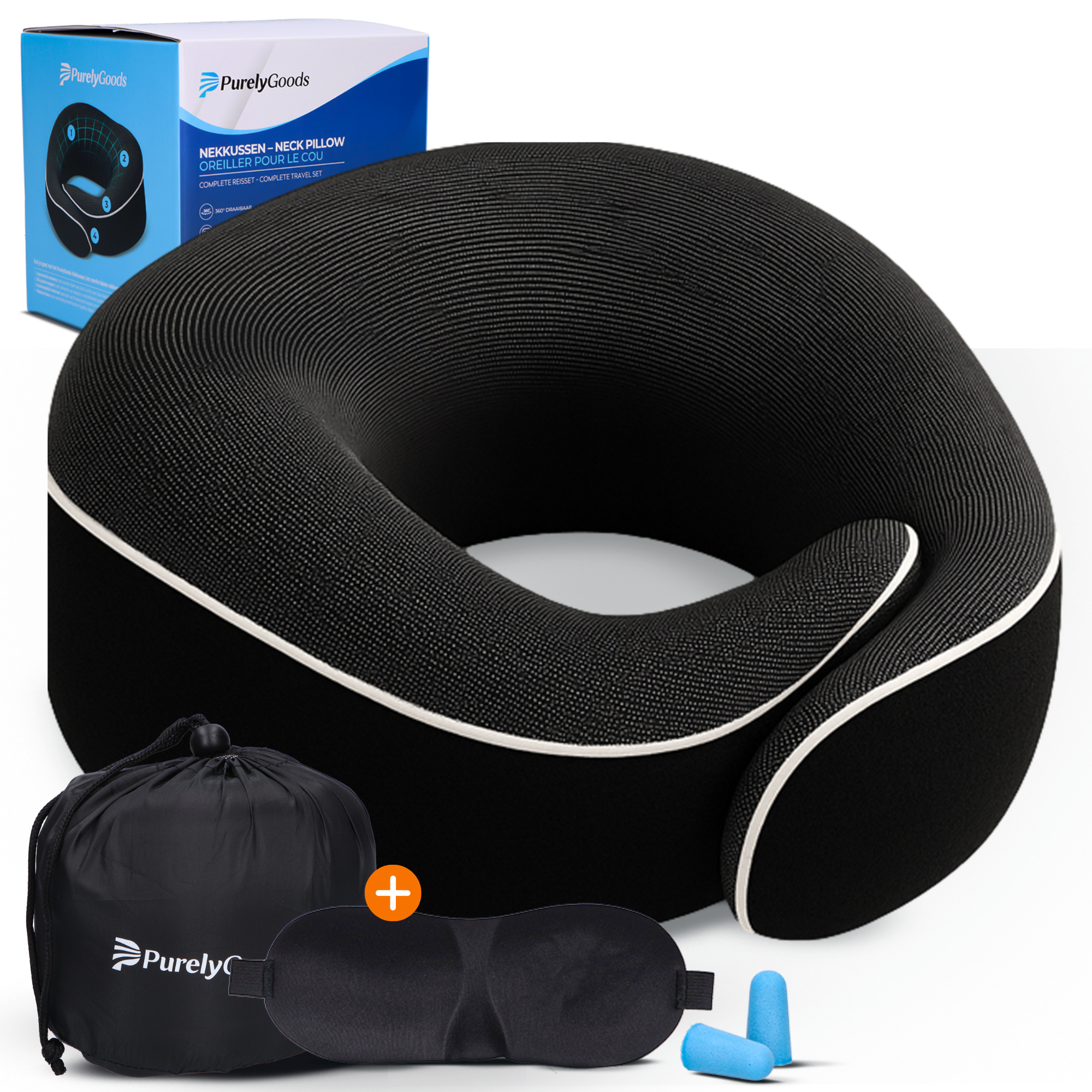
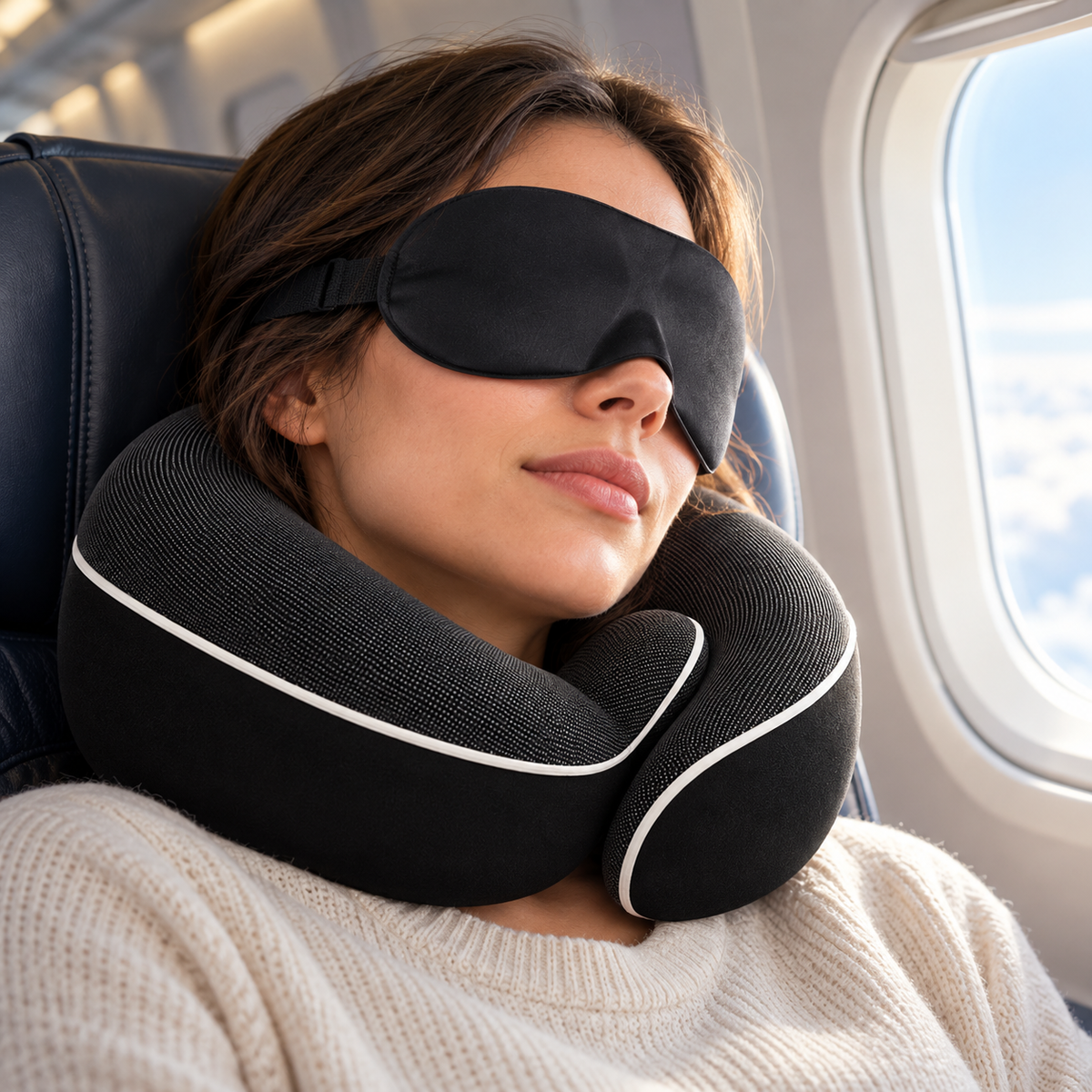
- Use a neck pillow to keep your head upright. This prevents your jaw and tongue from falling backward.
- Drink water instead of alcohol. Alcohol at high altitudes has a stronger effect and further relaxes your throat muscles.
- Is your nose struggling to breathe due to the dry air? A nasal strip mechanically opens your nostrils, without medication.

Snoring in your hotel room
A hotel room is often shared with your partner, family, or friends. The air conditioning dries out the air, and the mattress is different from home. It is precisely here that snoring can be a source of irritation.
What helps:
- Turn the air conditioning up a few degrees or off. Cold, dry air irritates your mucous membranes.
- Sleep on your side. Place an extra pillow behind your back so you don't roll back.
- Do you breathe through your mouth at night? Mouth tape gently keeps your lips closed, so you automatically breathe through your nose. Only use mouth tape if your nose is clear.
Snoring in a tent, camper, or hostel
Camping and hostels are the toughest tests. Tent fabric and bunk beds don't block sound. Travel companions can sometimes be just a meter away.
What helps:
- Bring your aid from home and stick to your routine. If mouth tape or an anti-snoring mouthpiece works for you at home, it will also work when camping.
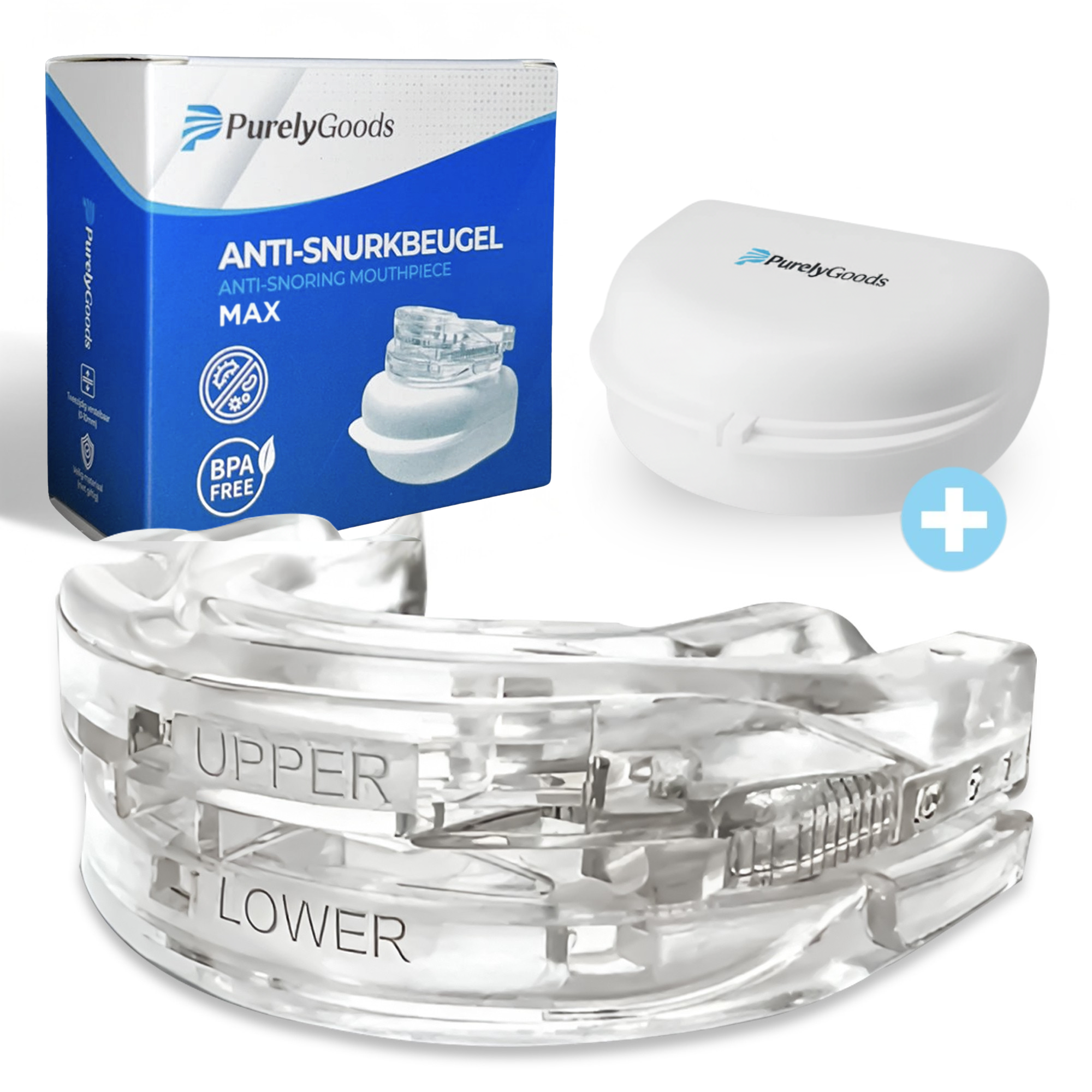
- If your lower jaw sags, opt for an anti-snoring mouthpiece. This keeps your jaw a few millimeters forward, giving your airway more space.
- Give your travel companions earplugs. To be fair: sometimes the quickest win is that the other person sleeps peacefully.
Which aid should you bring?
An aid only works if it matches the cause of your snoring. This table helps you choose. Everything in the table fits in your hand luggage.
|
Your situation |
Suitable aid |
Handy for travel because |
|
Blocked or narrow nose |
Individually packaged, flat, no medication |
|
|
Mouth opens during sleep |
Lightweight, discreet and individually packaged |
|
|
Lower jaw falls backward |
Anti-snoring mouthpiece |
One-time fitting, lasts the entire trip |
|
Travel companion snores |
Small, reusable, filters snoring sound |
Unsure which cause applies to you? On our page compare snoring aids we list all options side by side.
"Nasal strips don't help against snoring" - is that true?
You sometimes read online that nasal strips do nothing against snoring. That statement deserves nuance. Nasal strips work in one place: your nose. They pull your nostrils slightly wider open, allowing air to flow more easily through your nose.
If your snoring sound mainly comes from the back of your throat, while your nose is clear, then you will indeed notice little from a nasal strip. If you snore because your nose is blocked or narrow and you therefore start breathing through your mouth, then a nasal strip addresses the root cause.
Precisely for this reason, addressing snoring always starts with the cause, not the product. Be honest with yourself: where is your problem? If in doubt, your GP can advise.
What can you do before your trip?
You can partly prevent snoring on holiday at home. This preparation takes little effort:
- Test your aid at home. Try mouth tape or an anti-snoring mouthpiece for at least a week before departure. This way, you get used to it and know if it works for you.
- Limit alcohol in the last hours before sleep. This also makes an immediate difference on holiday.
- Train your side sleeping. Practice sleeping on your side at home, possibly with a pillow behind your back.
- Treat a cold or allergy in time. If you leave with a blocked nose, your trip already starts with a disadvantage.
More general tips for sleeping on the go can be found in our blog about sleep while traveling.
When should you consult a doctor?
Snoring is usually harmless. However, it can sometimes be a sign of something else, such as obstructive sleep apnea. This involves brief cessations of breathing during sleep.
Contact your doctor if, in addition to snoring, you also experience any of the following:
- your partner notices breathing pauses
- you wake up at night gasping for air;
- you are extremely tired during the day, even after a long night's sleep;
- you regularly wake up with a headache.
In that case, do not use mouth tape and first discuss it with your doctor. More background information about snoring and when to seek help can also be found at Thuisarts.nl.
In summary
Snoring while traveling almost always has an identifiable reason: alcohol, dry air, a different sleeping position, or fatigue. Those who know their own cause can bring a suitable solution, from nasal strips to mouth tape or an anti-snoring mouthpiece, and earplugs for their travel companion. Don't expect a miracle cure, but noticeably quieter nights if the cause and solution match. If the complaints persist or you suspect sleep apnea, consult your doctor first.
Do you want to discover which solution suits your sleep situation? Take our non-committal sleep test or view the anti-snoring products that you can easily take in your hand luggage.
Frequently asked questions about snoring when traveling
Why do I snore on holiday but not at home?
Several snoring factors combine on holiday: alcohol, dry air, a different sleeping position and fatigue. Each of these factors narrows your airway slightly. Together, they are often just enough to make someone who doesn't snore at home snore while traveling.
Can I bring mouth tape on a plane?
Yes. Mouth tape is just a plaster and can be carried in your hand luggage. Only use mouth tape on the plane if you can breathe comfortably through your nose and are not suffering from a cold.
What is the fastest solution for snoring if I leave tomorrow?
Look at your biggest cause. Blocked nose: nasal strips. Open mouth: mouth tape, provided your nose is clear. For your travel companion, earplugs are the fastest win. Don't expect miracles from one night; most people notice the most difference after a few nights.
Does less alcohol really help against snoring?
Yes. Alcohol relaxes the muscles in your throat, which narrows your airway. Reducing or avoiding alcohol in the last two to three hours before sleep noticeably reduces snoring for many people.


Deel:
Bruxism (teeth grinding): causes, symptoms, and treatment
Breathing and Stress: Instant Relief Techniques