



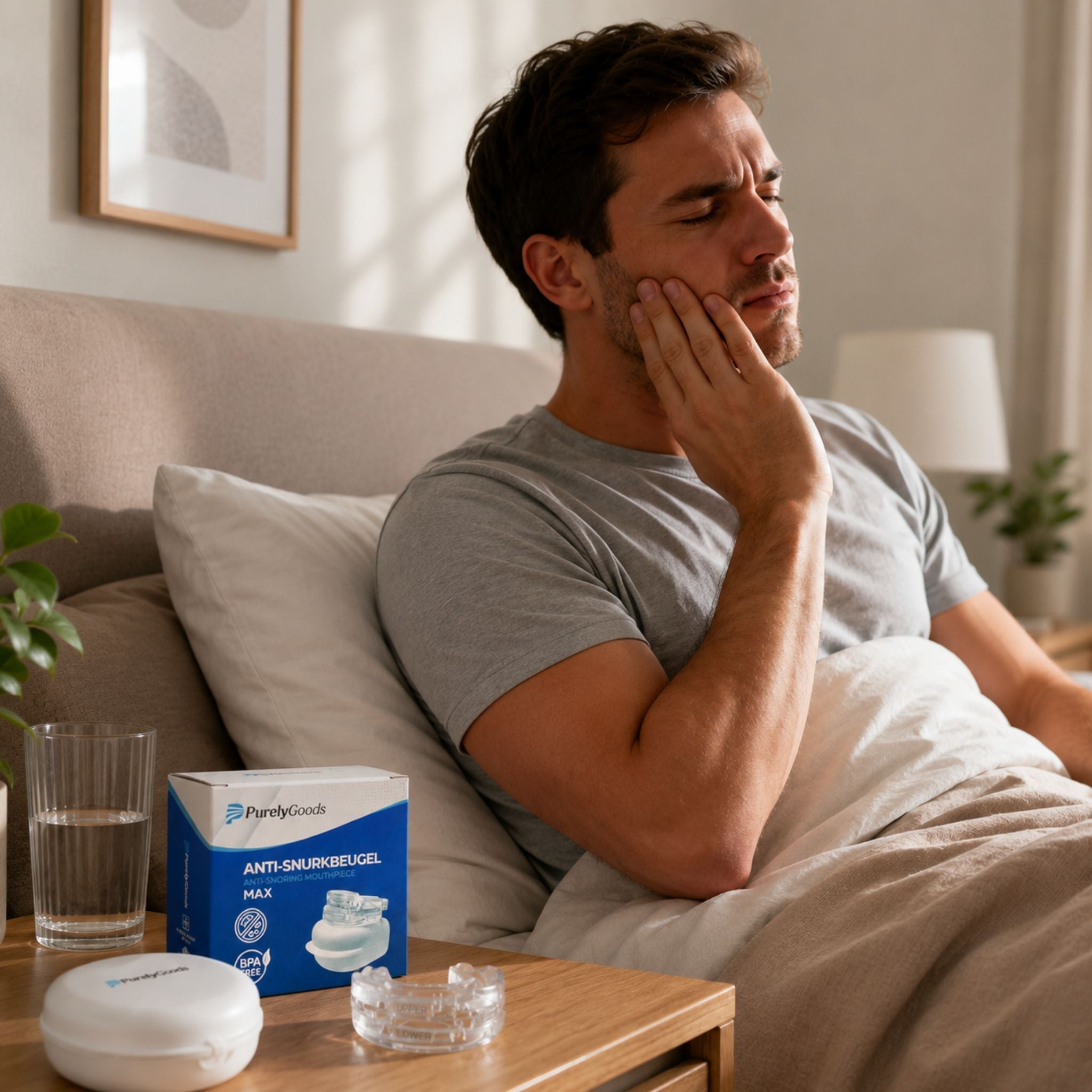
Bruxism is the unconscious grinding or clenching of teeth, usually during sleep. It is also known as teeth grinding. With bruxism, the jaw muscles repeatedly contract without conscious control. This causes wear of the tooth enamel, jaw pain, and headaches, and has a direct relationship with the quality of your sleep.
What is bruxism?
Bruxism is a parafunction: a movement of the body that falls outside its normal function. Chewing, biting, and swallowing are normal functions of the jaw. Grinding and clenching are not. Yet millions of people do it every night, without even realizing it.
There are two forms. Sleep bruxism occurs during sleep and is considered a sleep-related movement disorder. Awake bruxism occurs during the day, often in response to stress or concentration. In practice, both forms often occur together in the same person.
The severity varies greatly. Mild bruxism causes hardly any symptoms. Severe cases lead to significant tooth loss, temporomandibular joint problems, and chronic pain in the face, neck, and shoulders.
Causes: stress, sleep, and dental problems
Stress is the most common cause of bruxism. If you don't release tension before going to sleep, the jaw muscles may compensate by contracting during sleep. This is a reflex, not a conscious choice.
Sleep quality also plays a role. People with sleep apnea, restless sleep, or a disturbed sleep rhythm have a higher chance of bruxism. The relationship is two-sided: bruxism disrupts sleep, and disturbed sleep intensifies bruxism.
Other factors include genetic predisposition, caffeine or alcohol consumption before sleep, certain medications like antidepressants, and malocclusion, where the teeth do not fit together properly when the mouth is closed.
Recognizing symptoms
Many people discover they grind their teeth through their partner, who hears the sound at night. But there are also physical signs that indicate it. Knowledge of these symptoms helps you recognize and address bruxism earlier.
The most common signs are a tense or painful jaw in the morning, headaches that start at the temples, sensitive teeth without clear dental reasons, and visible wear of the tooth enamel. Your dentist often notices this wear first.
In severe bruxism, the temporomandibular joint, neck, and shoulders can also be painful. Some people hear a clicking sound when opening their mouth, a sign that the temporomandibular joint is under pressure.
The relationship between bruxism and snoring
Bruxism and snoring occur together more often than chance would explain. Both are sleep-related disorders involving the muscles in the mouth and throat region. A blocked nose while sleeping increases the chance of both.
When you breathe through your mouth during sleep, the jaw is looser. This increases the chance of both snoring and uncontrolled jaw movements. Conversely, people with bruxism more often also experience snoring complaints, suggesting a shared underlying cause.
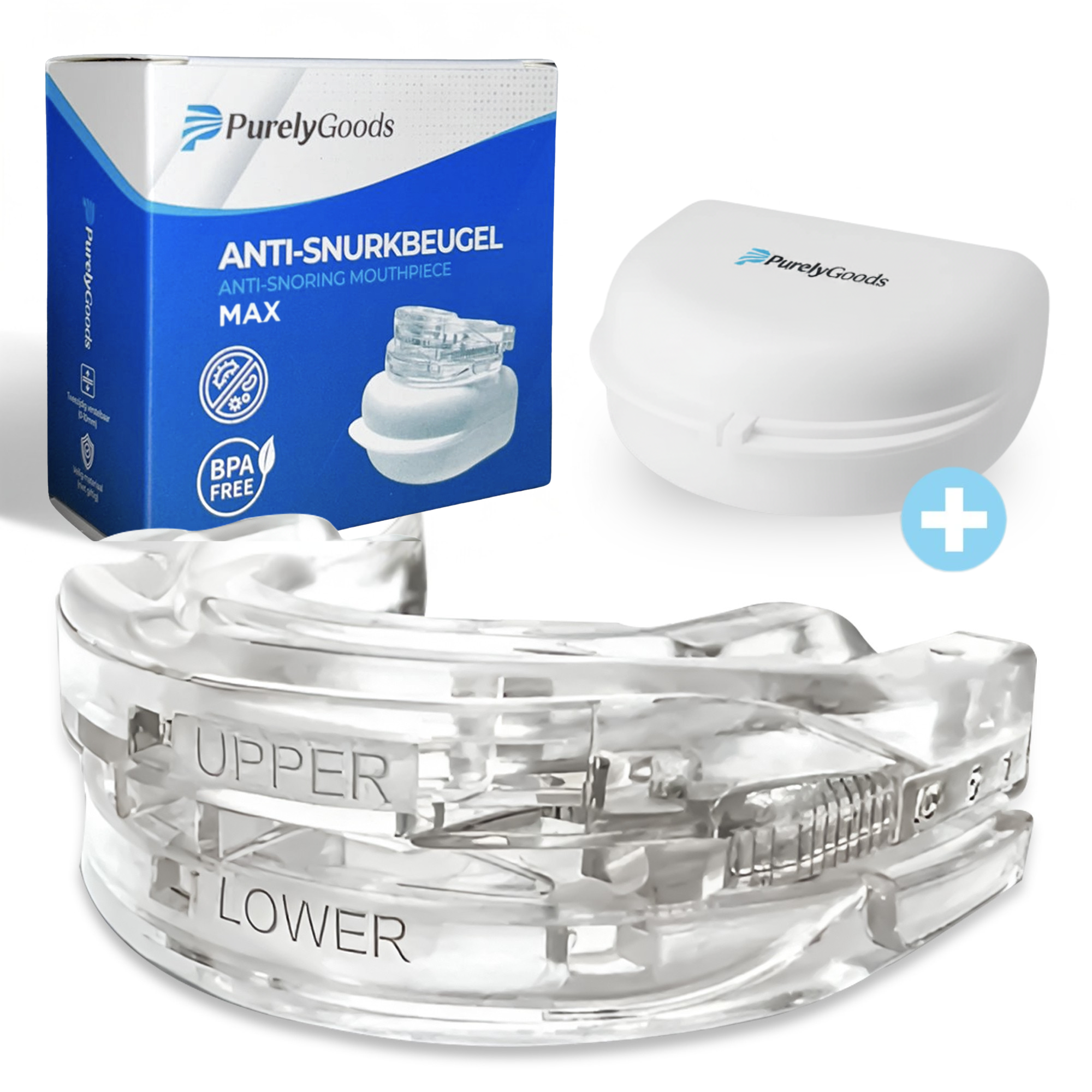
A snoring brace, which gently moves the lower jaw forward to keep the airway open, can also stabilize the jaw position in some people. This does not always reduce bruxism itself but can lower jaw tension at night by maintaining a more consistent jaw position.
When to see a dentist or specialist?
See a dentist if you regularly have a painful jaw in the morning, if your partner reports that you grind your teeth, or if your dentist notices wear during a regular check-up. The dentist can fit an occlusal splint that protects the teeth and distributes jaw tension.
An occlusal splint does not resolve the cause of bruxism but protects the teeth from further wear. Addressing the cause often requires additional approaches, such as stress management, improving sleep hygiene, or physical therapy for the jaw muscles.
If sleep apnea is suspected as an underlying cause, the dentist or general practitioner will refer you to a sleep clinic. A sleep study will determine exactly what happens during the night and which treatment is most effective.
Check out the PurelyGoods anti-snoring mouthpiece for a more stable jaw position.


Deel:
Snoring due to Nasal Congestion: Causes and Solutions
Snoring while traveling, how do you prevent it?