




The Forgotten Key to Your Health
We breathe about 20,000 times a day, usually without thinking about it. Yet, the way you breathe affects almost every system in your body: from your heart rate and sleep quality to your emotions and concentration.
While nutrition, exercise, and sleep often receive attention, breathing remains underexposed. This is a shame, as conscious breathing is a direct gateway to more calm, energy, and balance.
On this page, you will discover the scientific basis of breathing and how you can use this knowledge for your daily health and well-being. We will guide you step by step through:
- the physiology of breathing
- the relationship between breathing and your nervous system
- practical techniques to reduce stress and increase focus
- and how breathing affects your sleep, emotions, and immune system


The basics of breathing
We breathe an average of 20,000 times a day, usually without thinking about it. Yet breathing is literally vital: without food we can last weeks, without water days, but without breathing only a few minutes.
And the way you breathe makes a difference. It influences your heart rate, stress level, immune system, and even your mental balance.
In this section, you will discover how the respiratory system works and why good breathing technique is crucial for your health.
How does the respiratory system work?
Our respiratory system is much more than an oxygen pump. It is a sophisticated system that:
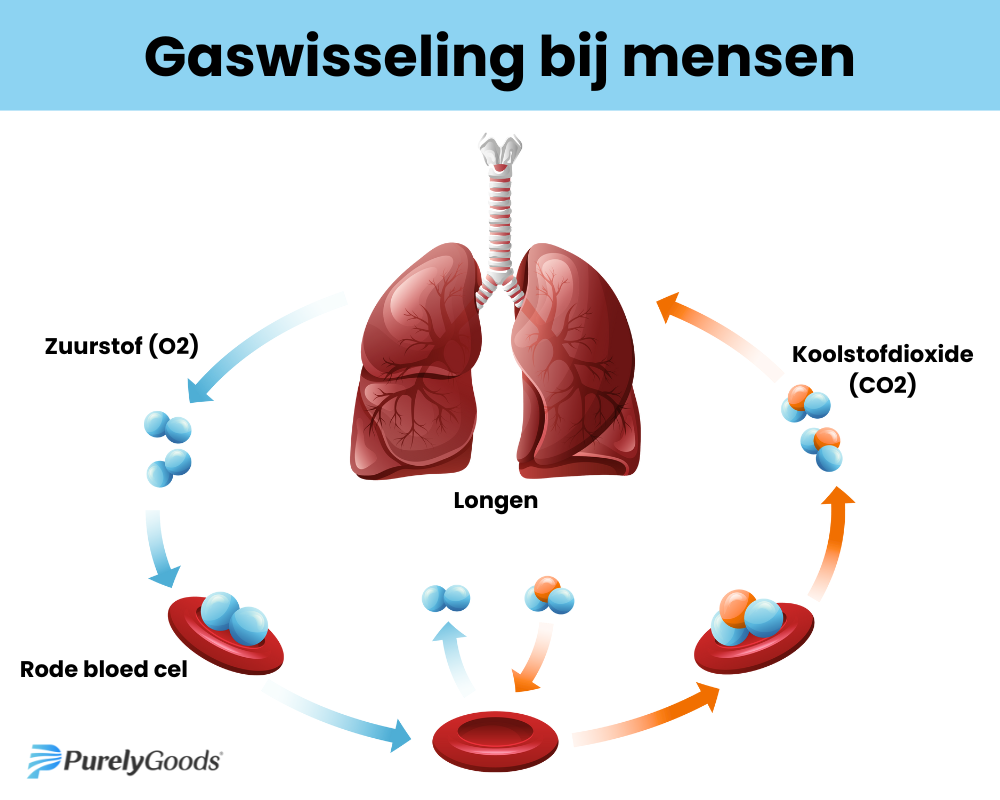
- takes up oxygen (O₂) into the blood
- expels carbon dioxide (CO₂)
- plays a role in the immune system, nervous system, and our emotional well-being
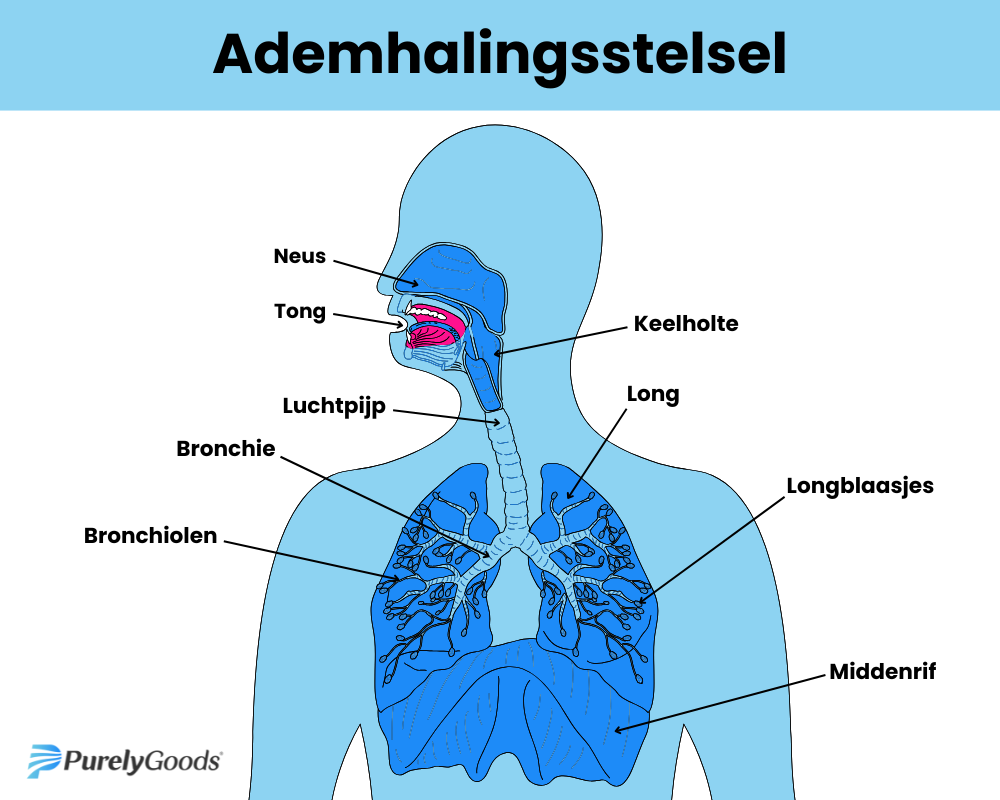
With each inhalation, air flows through the nose or mouth to the windpipe, which splits into two bronchi towards the lungs. There, gas exchange takes place in the alveoli. Oxygen diffuses into the blood, CO₂ leaves the body through exhalation.
The most important muscle supporting this process is the diaphragm: a dome-shaped muscle that pulls down during inhalation, allowing the lungs to fill.
The role of oxygen and carbon dioxide
Breathing is not just about oxygen. Carbon dioxide (CO₂) also plays an important role:
- It affects the acidity of the blood (pH).
- Through the Bohr effect, CO₂ helps to release oxygen more efficiently to body cells.
A healthy breathing rate is on average between 6 and 10 breaths per minute at rest. Breathing too fast (hyperventilation) can lead to a disturbed acid-base balance, reduced oxygen uptake, and stress symptoms.
Nasal breathing versus mouth breathing
Nasal breathing is the natural and optimal way of breathing. The nose:
- filters, humidifies, and warms air
- produces nitric oxide (NO), which helps to dilate blood vessels and improve oxygen uptake
Mouth breathing, on the other hand, is often associated with:
- snoring and poorer sleep quality
- dry mouth and throat
- increased stress and reduced CO₂ retention
Therefore, it is important to stimulate nasal breathing at night as well. Many people unconsciously breathe through their mouths while sleeping, which negatively affects sleep quality and recovery.
Promoting nasal breathing, especially during sleep, can contribute to better oxygen uptake, deeper sleep, and fewer complaints such as snoring or a dry mouth.
There are scientifically proven methods to support this, such as lightly closing the mouth or improving nasal patency.
PurelyGoods offers products that address this, including:
- limiting mouth breathing at night
- promoting nasal breathing
Support your nasal breathing during sleep with these solutions.
The breath and the nervous system
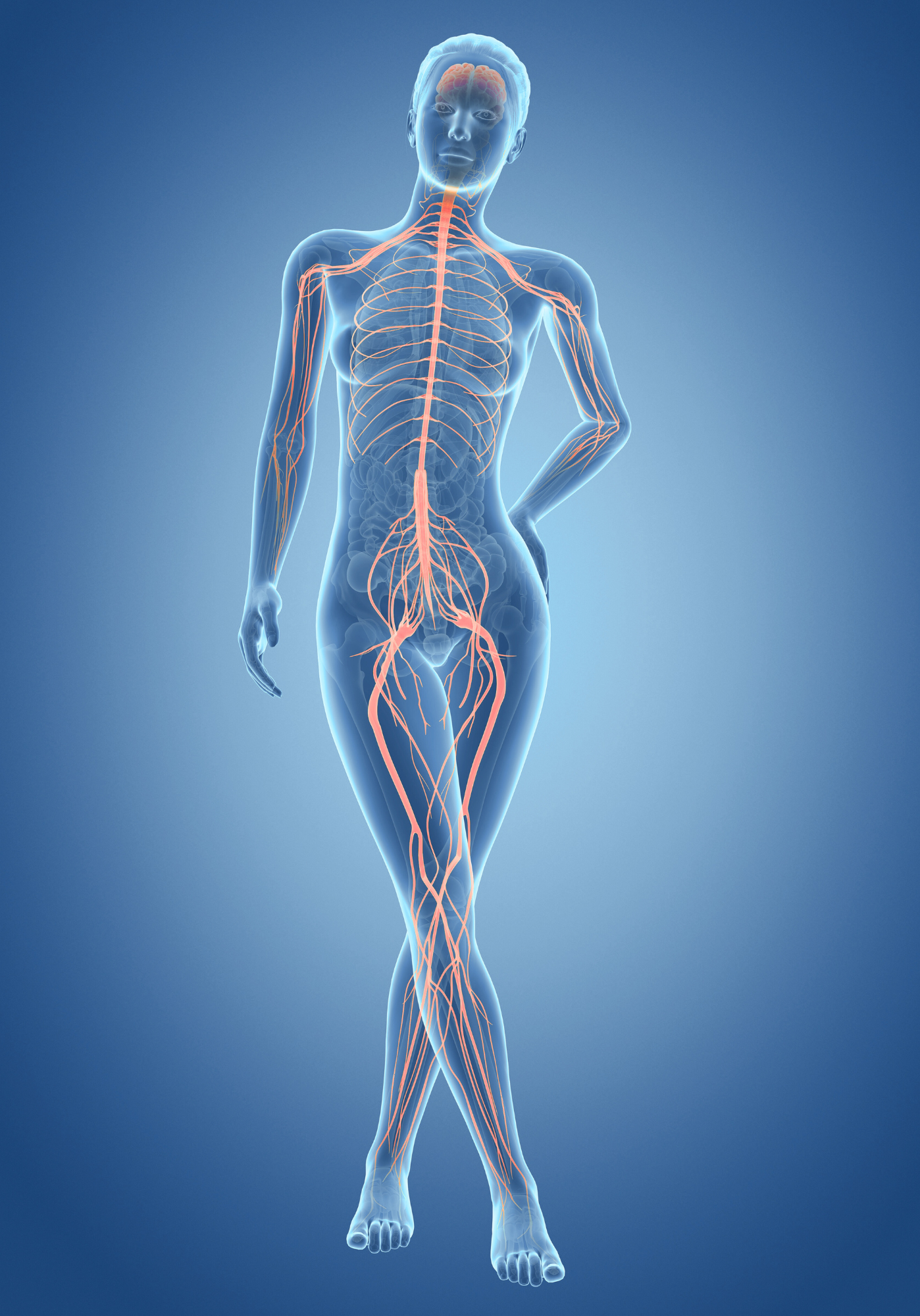
Breathing is not just a mechanical process of air displacement, but is directly connected to the nervous system. Through specific breathing patterns, you can influence autonomic bodily functions such as heart rate, muscle tension, and stress regulation.
The autonomic nervous system: balance between action and recovery
The autonomic nervous system (ANS) regulates unconscious bodily functions, including heart rate, digestion, and breathing. It consists of two main components:
-
Sympathetic nervous system
→ activates the body during stress or exertion (fight-or-flight).
-
Parasympathetic nervous system
→ promotes rest, recovery, and digestion (rest-and-digest).
Rapid, shallow breathing, often unconscious during stress, activates the sympathetic system.
Slow, deep breathing, especially with a prolonged exhalation, activates the parasympathetic system, which has a calming effect.
A key role in this is played by the vagus nerve: a long nerve that connects the brain and organs and is involved in heart rate, breathing, and digestion.
The polyvagal theory: breathing and social safety
The polyvagal theory, developed by Stephen Porges, states that the vagus nerve is not only involved in physiological recovery, but also in social connectedness and emotional regulation.
Calm breathing enhances the feeling of safety and connection. That's why we feel calmer in safe social environments, and we can also generate that calmness from within through breathing.
Diaphragmatic breathing (belly breathing)
During healthy, relaxed breathing, the diaphragm moves rhythmically up and down. This is also known as belly breathing.
Benefits of diaphragmatic breathing:
- activates the parasympathetic nervous system
- lowers heart rate and blood pressure
- supports digestion
- promotes mental clarity and focus
Many people unconsciously breathe high in the chest, which makes breathing shallow and intensifies the stress response. Training diaphragmatic breathing can contribute to both physical relaxation and mental clarity, and is therefore increasingly used in medical, therapeutic, and daily contexts.
Breathing Techniques & Applications
Breathing is not just an automatic process, but also a powerful tool that you can consciously use to reduce stress, increase focus, and regulate bodily functions. The key often lies in functional breathing: breathing in a way that is aligned with your body's natural needs, through the nose, calmly, rhythmically, and deep in the abdomen. This section discusses commonly used breathing techniques, including their scientifically proven benefits.
Breathing frequency and heart coherence
A breathing frequency of 5 to 6 breaths per minute appears ideal for a state of balance between body and mind. This is also called heart coherence: a harmonious cooperation between heart rate and breathing.
Benefits of this state:
- improved emotion regulation
- increased focus and alertness
- promotion of self-regulation (e.g., with stress or stimuli)
Practical breathing techniques
There are several simple breathing techniques you can apply in daily life:
-
Box breathing
→ 4 seconds inhale – 4 seconds hold – 4 seconds exhale – 4 seconds hold
→ Promotes focus and stress regulation. Widely used by athletes and military personnel. -
Extended exhalation
→ For example, 4 seconds in, 6 seconds out
→ Activates the relaxation response through the parasympathetic nervous system. -
Pursed-lip breathing
→ Inhale through the nose, slowly exhale through pursed lips
→ Supports people with shortness of breath or conditions such as COPD. -
Humming through the nose
→ Increases the production of nitric oxide (NO), which is beneficial for the airways and oxygen uptake.
Breathing as a therapeutic instrument
Breathing techniques are applied worldwide in the following domains:
- Healthcare; for anxiety disorders, hyperventilation, and sleep problems
- Psychological guidance; to support stress and trauma therapy
- Sports and performance; for recovery, focus, and breath control
- Meditation and yoga
Recent studies show that breathing interventions can effectively contribute to reducing:
- anxiety symptoms
- stress symptoms
- sleep problems
- chronic pain
Small adjustments in your daily breathing pattern can already lead to noticeable improvements in calm, energy, and resilience. Learning functional breathing forms the basis for this: simple, effective, and always available.
At PurelyGoods, you will find supportive tools designed to promote natural, calm breathing, at home, while sleeping, or in your daily routines. These products align with the scientific insights you have read in this section.

Breathing in Everyday Life
Breathing affects much more than just your physical health. How you breathe has a direct impact on your sleep, emotions, energy, and even your immunity. In this section, you will discover the role of breathing in daily situations and how you can consciously direct it towards recovery and balance.
Breathing and sleep
During sleep, stable breathing is essential for recovery. Disrupted breathing, such as mouth breathing, snoring, or apnea, can lead to:
- more frequent waking up
- shallow sleep
- reduced oxygen absorption
- poorer cognitive recovery and reduced REM sleep
Nasal breathing during sleep, on the other hand, is associated with:
- deeper sleep
- less snoring
- better oxygen distribution and heart rate variability
According to studies, breathing exercises can contribute to better sleep quality, especially for people with sleep problems or stress-related complaints.
Breath and emotions: a two-way street
Emotions influence our breathing, and vice versa.
For example:
- Stress → fast, shallow breathing
- Anxiety → high chest breathing or hyperventilation
- Relaxation → deep, slow breathing
By consciously adjusting your breathing, you can actively influence your emotional state. This is called top-down self-regulation: you use your body (the breath) to calm your mind (emotions).
Research shows that breathing techniques have positive effects on:
- mood and focus
- pain perception
- immune system
Would you like to experience the benefits of natural breathing in your daily life?
PurelyGoods offers breath-supporting tools that align with these insights, designed to support your breathing at night and during the day, such as:
- mouth tape for natural nasal breathing
- nasal strips for clearer airways
What we've learned about breathing and health
Want to know more about the role of breathing in your recovery?
Visit sleep science
Do you want to get started with your breath?
This page helps you to breathe more consciously and bring more calm into your day.
Do you also want to extend that to your evening and night's rest?
Then discover our comprehensive PurelyGoods Sleep Guide, a practical guide full of tips, routines, and exercises that really work.
Frequently Asked questions
Why is breathing so important for your health?
Breathing provides your body with oxygen and removes waste products such as carbon dioxide. But it also affects your heart rate, nervous system, stress levels, sleep, and emotional well-being.
What is the difference between nose and mouth breathing?
Nasal breathing filters, humidifies, and warms the air, and increases the production of nitric oxide (NO), which promotes oxygen uptake. Mouth breathing is often associated with snoring, dry mouth, and poorer sleep quality.
How many times a day do we breathe on average?
An adult breathes an average of 20,000 times a day, often unconsciously. However, the way you breathe has a significant impact on your physical and mental health.
What is heart coherence and why is it important?
Heart coherence is a state in which your heart rate and breathing work together in harmony. This state promotes focus, emotional balance, and stress regulation.
Which breathing techniques help with stress?
Techniques like box breathing, prolonged exhalation, and nasal breathing can activate the parasympathetic nervous system and reduce stress.
Can breathing affect your sleep quality?
Yes, disturbed breathing at night, such as mouth breathing or snoring, can lead to poor sleep. Nasal breathing and breathing exercises can improve sleep quality.
What is the connection between breathing and emotions?
Emotions influence your breathing rhythm, and vice versa. By consciously regulating your breath, you can reduce tension, anxiety, or restlessness.
How does breathing work with the nervous system?
Breathing is directly connected to the autonomic nervous system. Slow and deep breathing activates the parasympathetic system, which promotes recovery and rest.
What is diaphragmatic breathing?
This is a natural way of breathing where you primarily breathe through your abdomen. It activates the relaxation system and improves oxygen absorption.
How can I train my breathing?
By consciously applying daily breathing techniques, possibly supported by aids such as nasal strips or mouth tape. Small adjustments can already lead to noticeably more calm and energy.
Medical disclaimer
The information on this page is intended as general information about breathing and is not a substitute for medical advice. If you have persistent breathing difficulties, suspect sleep apnea, or stop breathing at night, always consult your GP. PurelyGoods products are intended to support nasal breathing and sleep and are not a treatment for medical conditions.
Relevant sources
Nasal breathing
Nasal breathing is a fundamental aspect of healthy respiration, both during the day and at night. It filters, humidifies, and warms the inhaled air, which is essential for lung health and preventing infections. Furthermore, nasal breathing stimulates the production of nitric oxide, a molecule that dilates blood vessels and thus improves oxygen uptake.
Sources:
"The importance of nasal breathing" (2018): https://www.ncbi.nlm.nih.gov/pmc/articles/PMC6449193/
"Nasal breathing in athletes: a systematic review" (2020): https://pubmed.ncbi.nlm.nih.gov/32059345/
Mouth breathing
Mouth breathing, especially during sleep, can lead to a range of negative health effects. It bypasses the natural filtering, humidifying, and warming functions of the nose, allowing dry air to enter the lungs directly. This can lead to dry mouth, gingivitis, and an increased risk of respiratory infections. Furthermore, mouth breathing is associated with snoring and sleep apnea, which can significantly impair sleep quality and pose health risks.
Sources:
"Oral breathing: the importance of the nose" (2014): https://www.ncbi.nlm.nih.gov/pmc/articles/PMC4046162/
"The effects of mouth breathing on the oral and craniofacial system" (2010): https://pubmed.ncbi.nlm.nih.gov/20428589/
Breathing rate and CO₂ balance
Respiratory rate is crucial for the carbon dioxide (CO₂)-balance, which directly affects the blood pH and oxygen release. Research shows that breathing is primarily regulated by the CO₂ concentration in the blood, not by oxygen deficiency.
Rising CO₂ stimulates breathing to restore balance [1]. However, hyperventilation can lead to an excessive drop in CO₂, resulting in respiratory alkalosis and reduced oxygen delivery to tissues via the Bohr effect [2]. Balanced breathing is therefore essential for cellular function.
References:
- Neural control of breathing and CO2 homeostasis. PMC. (2015). Available at: https://www.ncbi.nlm.nih.gov/pmc/articles/PMC4559867/
- Physiology, Bohr Effect. StatPearls [Internet]. (2024). Available at: https://www.ncbi.nlm.nih.gov/books/NBK526028/
Nervous system and vagus nerve
The vagus nerve (cranial nerve X) is a crucial connection between the brain and various organs, forming a major component of the parasympathetic nervous system. This nerve plays a vital role in regulating autonomous physiological processes such as heart rate, respiration, digestion, and inflammatory responses [1].
Research shows that the vagus nerve is not only essential for vital bodily functions but also an important modulator of the brain-gut axis, with implications for mood, immune response, and even neurological disorders [2]. The complex networks and broad influence of the vagus nerve make it an attractive target for therapeutic interventions, such as vagus nerve stimulation, for various conditions.
References:
- Berthoud, H. R., & Neuhuber, W. L. (2000). Functional neuroanatomy of the vagal system. Autonomic Neuroscience, 85(1-3), 1-17. https://pubmed.ncbi.nlm.nih.gov/11187790/
- Breit, S., et al. (2018). Vagus Nerve as Modulator of the Brain–Gut Axis in Psychiatric and Inflammatory Disorders. Frontiers in Psychiatry, 9, 44. https://www.ncbi.nlm.nih.gov/pmc/articles/PMC5859128/
Diaphragm
The diaphragm is a dome-shaped muscle essential for breathing and the primary muscle of inspiration (inhalation) [1]. It separates the thoracic cavity from the abdominal cavity and plays a crucial role in creating negative pressure in the chest, allowing air to flow into the lungs. Upon contraction, the diaphragm moves downward, increasing the volume of the thoracic cavity and causing the lungs to expand [1].
In addition to its primary function in respiration, the diaphragm also contributes to various other bodily functions. It plays a role in coughing, sneezing, vomiting, and defecation. Furthermore, the movement of the diaphragm affects the abdominal organs and can support venous return of blood to the heart. Optimal diaphragm function is therefore important not only for respiratory efficiency but also for overall circulation and digestion [2].
References:
- Donzelli, C., et al. (2020). Diaphragm Anatomy. StatPearls [Internet]. Available from: https://www.ncbi.nlm.nih.gov/books/NBK539824/
- Bordoni, B., & Paoletti, S. (2018). The Diaphragm. Journal of Osteopathic Medicine and Primary Care, 2(1), 10. Available from: https://www.ncbi.nlm.nih.gov/pmc/articles/PMC6139801/
Stress and breathing
The relationship between stress and breathing is complex and mutually influential. Under stress, the body often responds with a change in breathing patterns: breathing becomes faster, shallower, and shifts more frequently to the chest rather than the abdomen [1]. This thoracic breathing, characteristic of the sympathetic nervous system's "fight-or-flight" response, can lead to hyperventilation and a disruption of the CO₂ balance, which can exacerbate symptoms such as dizziness, palpitations, and anxiety [1].
Conversely, conscious breathing can be a powerful tool for managing stress. Techniques such as slow, deep diaphragmatic breathing activate the parasympathetic nervous system via the vagus nerve, resulting in a reduction of heart rate, a decrease in blood pressure, and an overall sense of calm [2]. This underscores how breathing is not only a barometer for stress but also offers a direct pathway to stress reduction.
References:
- Ma, X., et al. (2017). The Effect of Diaphragmatic Breathing on Attention, Negative Affect and Stress in Healthy Adults. Frontiers in Psychology, 8, 874. https://www.ncbi.nlm.nih.gov/pmc/articles/PMC5455070/
- Perciavalle, V., et al. (2017). The Role of Slow Breathing on Autonomic Function and Brain Activity. Frontiers in Psychology, 8, 1488. https://www.ncbi.nlm.nih.gov/pmc/articles/PMC5575449/
Heart Rate Variability (HRV)
Heart coherence refers to an optimal, harmonious state of heart rate variability (HRV). HRV, the natural variation in the time intervals between successive heartbeats, is an indicator of a resilient autonomic nervous system and a healthy balance between the sympathetic and parasympathetic systems [1]. When the heart rhythm shows a regular, wave-like pattern that is synchronous with breathing, heart coherence is present. Training heart coherence through breathing exercises can lead to improved stress resilience, emotional regulation, and cognitive performance [2].
References:
- Shaffer, F., & Ginsberg, J. P. (2017). An Overview of Heart Rate Variability Metrics and Norms. Frontiers in Public Health, 5, 258. https://www.ncbi.nlm.nih.gov/pmc/articles/PMC5624990/
- McCraty, R., & Zayas, M. A. (2014). Cardiac coherence, self-regulation, psychophysiological coherence, and physiological health. Integrative Clinical Psychology, Psychiatry and Behavioral Medicine: A Global Perspective, 85-116. https://pubmed.ncbi.nlm.nih.gov/25559864/
Sleep and Breathing
The interaction between sleep and breathing is crucial for both sleep quality and overall health. Disrupted breathing during sleep can lead to serious conditions.
Sleep Apnea: A Disturbed Night's Rest
Sleep apnea is a serious condition in which breathing repeatedly stops and starts during sleep. There are two main forms:
- Obstructive Sleep Apnea Syndrome (OSAS): This is the most common form, caused by a physical blockage of the airways, often due to relaxation of tissue in the throat [1]. It leads to loud snoring, breathing pauses, and gasping for breath.
- Central Sleep Apnea Syndrome (CSAS): Less common, in this form the brain temporarily "forgets" to send breathing signals, without obstruction [2]. It is often associated with conditions such as heart failure.
The consequences are significant: disruption of deep sleep, oxygen deficiency, and chronic daytime fatigue. In the long term, sleep apnea increases the risk of high blood pressure, cardiovascular disease, and diabetes [1, 2].
References:
- Obstructive Sleep Apnea. StatPearls [Internet]. (2024, January). Available from: https://www.ncbi.nlm.nih.gov/books/NBK441883/
- Central Sleep Apnea. StatPearls [Internet]. (2024, January). Available from: https://www.ncbi.nlm.nih.gov/books/NBK534838/
Breathing and emotions
The connection between breathing and emotions is profound and reciprocal. Our emotional state directly influences our breathing pattern, and conversely, the way we breathe can modulate our emotions [1]. This is regulated by the autonomic nervous system.
In emotions such as fear or stress, breathing often becomes rapid, shallow, and chest-oriented, which activates the "fight-or-flight" response of the sympathetic nervous system [1]. This can lead to an exacerbation of the emotional state. However, calm, deep, and rhythmic breathing activates the parasympathetic nervous system, via the vagus nerve. This slows the heart rate and promotes relaxation and well-being [2]. Conscious breathing exercises are therefore effective tools for emotional regulation in cases of stress, anxiety, and panic.
Sources:
- Ma, X., et al. (2017). The Effect of Diaphragmatic Breathing on Attention, Negative Affect and Stress in Healthy Adults. Frontiers in Psychology, 8, 874. https://www.ncbi.nlm.nih.gov/pmc/articles/PMC5455070/
- Perciavalle, V., et al. (2017). The Role of Slow Breathing on Autonomic Function and Brain Activity. Frontiers in Psychology, 8, 1488. https://www.ncbi.nlm.nih.gov/pmc/articles/PMC5575449/
Immune system and respiration
Respiration and the immune system are closely intertwined. The respiratory tract is the first line of defense against pathogens, and the way we breathe affects this defense [1]. Nasal breathing filters and humidifies air, which reduces exposure to pathogens.
Controlled breathing can modulate immune cells and inflammatory responses. For example, deep diaphragmatic breathing reduces stress hormones like cortisol, which strengthens immunity [2]. Conscious breathing thus contributes to robust immune resilience.
Sources:
- Immunopathology of the Respiratory System. PMC - PubMed Central. (2017). Available at: https://www.ncbi.nlm.nih.gov/pmc/articles/PMC7153441/
- The immune response to resistive breathing. PubMed. (2004). Available at: https://pubmed.ncbi.nlm.nih.gov/15572550/
Breathing techniques (box breathing, humming, etc.)
Various breathing techniques influence physiological and psychological processes by modulating the autonomic nervous system, reducing stress, and improving well-being.
Box Breathing
Box breathing is a four-phase technique (inhale, hold, exhale, hold, each of equal duration) that stimulates the parasympathetic nervous system [1]. This leads to a calming effect, lower blood pressure, and stress reduction.
Sources:
- Medical News Today. (n.d.). Box breathing: How to do it, benefits, and tips. Available at: https://www.medicalnewstoday.com/articles/321805
Humming Breathing
Humming breathing, as in Bhramari Pranayama, involves making a gentle humming sound during exhalation. This can stimulate the vagus nerve [1]. Research suggests that humming modulates brain activity and induces deep relaxation, associated with increased theta waves [2].
Sources:
- Sivaramakrishna, A., & Jayalakshmi, Y. (2017). Effects of Bhramari Pranayama on health – A systematic review. International Journal of Yoga, 10(1), 1–10. https://www.ncbi.nlm.nih.gov/pmc/articles/PMC5755957/
- Sharma, P., et al. (2023). Yoga and Brain Correlation Studies for Humming Bee Sound during Bhramari Pranayama. Indian Journal of Community Medicine, 48(Suppl 1), S102–S106. https://www.ncbi.nlm.gov/pmc/articles/PMC10645271/
Breathing in sports & performance
Breathing is crucial for athletic performance, influencing endurance, recovery, and focus. During exertion, the body requires more oxygen, but dysfunctional breathing (rapid, shallow) can hinder performance due to inefficient oxygen uptake and fatigued respiratory muscles [1].
Research shows that respiratory muscle training (IMT) and specific techniques improve performance. Nasal breathing during exertion leads to more efficient gas exchange [2]. Diaphragmatic breathing increases lung capacity, improves ventilation economy, and supports recovery [1, 2]. Conscious breath control also helps athletes remain mentally steadfast under pressure.
Sources:
- Influence of the breathing pattern on the pulmonary function of endurance-trained athletes. Scientific Reports. (2024, January). Available at: https://www.ncbi.nlm.nih.gov/pmc/articles/PMC10784475/
- Nose vs. mouth breathing–acute effect of different breathing regimens on muscular endurance. PMC - PubMed Central. (2024, February). Available at: https://www.ncbi.nlm.nih.gov/pmc/articles/PMC10858538/