

Welk snurkmiddel past bij jou?
Slecht slapen door snurken raakt alles, je energie, je concentratie en je relatie. Toch is de oplossing vaak eenvoudiger dan je denkt. Er zijn drie hoofdcategorieën snurkmiddelen: mondtape, neusstrips en snurkbeugels. Elk werkt anders en is geschikt voor een ander type snurker. Deze pagina helpt je in 3 minuten de juiste keuze te maken op basis van jouw situatie.
Waarom snurk je?
Snurken heeft verschillende oorzaken. Het juiste middel hangt af van waarom je snurkt. Herken je situatie hieronder.
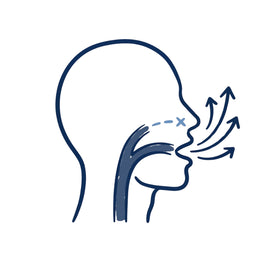
Je ademt 's nachts door je mond in plaats van je neus. De luchtstroom laat weke delen in je keel trillen, waardoor je snurkt.
Mondtape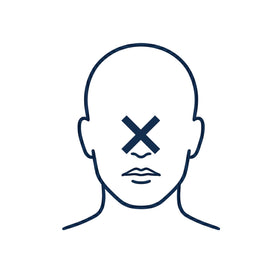
Je neusholte is verstopt door allergie, verkoudheid of anatomie. Hierdoor adem je door je mond en ga je snurken.
Neusstrips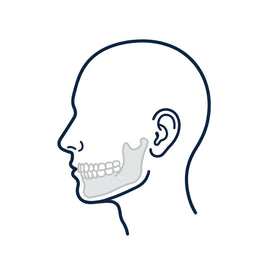
Je onderkaak zakt naar achteren tijdens het slapen. Dit vernauwt je luchtweg en veroorzaakt snurken.
SnurkbeugelVergelijking op een rij
Mondtape, neusstrips en snurkbeugel naast elkaar, op werking, comfort en prijs.
| Mondtape | Neusstrips | Snurkbeugel | |
|---|---|---|---|
| Werkt bij | Mondademhaling, licht snurken | Neusverstopping, allergie | Kaak-gerelateerd snurken, zwaarder snurken |
| Hoe het werkt | Houdt mond dicht → dwingt neusademhaling | Opent neusvleugels mechanisch | Houdt onderkaak licht naar voren |
| Wenperiode | 1–3 nachten | Direct | 3–7 nachten |
| Comfort | Wennen nodig, daarna onopvallend | Geen hinder | Kan eerste nachten oncomfortabel zijn |
| Geschikt bij verstopte neus | Nee (contra-indicatie) | Ja, juist hiervoor | Gedeeltelijk |
| Herbruikbaar | Nee (per nacht) | Nee (per nacht) | Ja (maanden) |
| Prijs per nacht | ±€0,40 | ±€0,45 | ±€0,15 |
Welk middel past bij jouw snurken?
Mondtape, neusstrips en een snurkbeugel werken elk anders. Bekijk per oplossing hoe het werkt en voor wie het geschikt is.
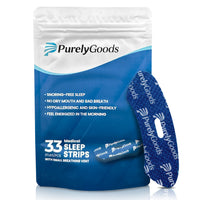
Mondtape
Mondtape houdt je mond gesloten tijdens het slapen, waardoor je gedwongen door je neus ademt. Neusademhaling vermindert trillingen in de keel en voorkomt zo snurken.
Geschikt voor
- Mondsnurkers
- Licht tot matig snurken
- Mensen die door hun mond ademen tijdens het slapen
Niet geschikt bij
- Verstopte neus
- Slaapapneu
- BMI boven 30
- Neuspoliepen of structurele neusproblemen
Neusstrips
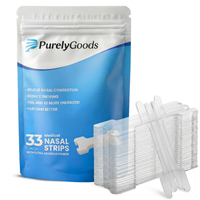
Neusstrips openen mechanisch je neusvleugels van buitenaf, waardoor de luchtstroom verbetert. Dit vermindert weerstand en trillingen die snurken veroorzaken.
Geschikt voor
- Allergie of verkoudheid
- Smalle neusgang
- Sporters die meer zuurstof willen
- Licht neussnurken
Niet geschikt bij
- Snurken uit de keel of tongbasis
- Chronische, structurele vernauwing (overweeg interne spreiders)
Verschil met interne neusspreiders: neusstrips werken extern en zijn ideaal voor tijdelijk gebruik. Interne spreiders zitten in de neus en bieden structurele ondersteuning bij chronische vernauwing.
Snurkbeugel
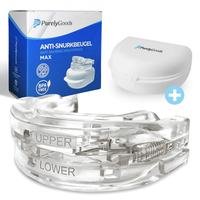
Een snurkbeugel (mandibulair repositie-apparaat) houdt je onderkaak naar voren, waardoor de luchtweg open blijft. Dit voorkomt dat weefsels in de keel trillen en snurken veroorzaken.
Geschikt voor
- Kaaksnurkers
- Matig tot zwaar snurken
- Wanneer mondtape of neusstrips onvoldoende werken
Niet geschikt bij
- Kaakgewrichtsproblemen (TMJ)
- Gebitsprotheses
- Slaapapneu (raadpleeg een arts)
Max vs Comfort: Max gebruikt boil-and-bite, eenmalig aanpasbaar en budgetvriendelijk. Comfort is in kleine stappen instelbaar voor een fijnere aanpassing en duurzamer materiaal.
Veelgestelde vragen
Niet gevonden wat je zocht? Neem gerust contact met ons op.
Wat is het meest effectieve middel tegen snurken?
Dat hangt af van de oorzaak. Bij mondademhaling is mondtape vaak het meest effectief: het houdt je mond gesloten zodat je via je neus ademt. Bij vernauwde neusgangen werken neusstrips beter, en bij een terugvallende onderkaak is een snurkbeugel de meest gerichte oplossing. Er bestaat geen universeel "beste" middel, het juiste middel hangt af van waarom je snurkt.
Kun je nog steeds snurken met een mondtape?
Ja, dat kan. Mondtape werkt specifiek bij snurken dat wordt veroorzaakt door mondademhaling. Als je snurkt door een terugvallende onderkaak of vernauwde neusgangen, lost mondtape het probleem niet op. In dat geval is een snurkbeugel of een neusstrip effectiever. Daarom is het belangrijk om eerst te begrijpen wat de oorzaak van je snurken is.
Wat kan ik doen als mijn partner hard snurkt?
Begin met het herkennen van de oorzaak. Ademt je partner door de mond? Dan kan mondtape direct verlichting geven. Snurkt hij of zij juist door de neus of met een open kaak, dan passen neusstrips of een snurkbeugel beter. Veel stellen combineren producten, bijvoorbeeld mondtape met neusstrips, voor het beste resultaat. Probeer samen uit wat werkt, liefst een paar nachten achter elkaar.
Hoe werken neusstrips tegen snurken?
Neusstrips zijn flexibele pleisters die je over de neusbrug plakt. Ze trekken de neusvleugels mechanisch open, waardoor er meer lucht door je neus kan stromen. Dat vermindert snurkgeluid dat ontstaat door neusverstopping of vernauwde neusgangen. Ze werken direct vanaf de eerste nacht en zijn te combineren met mondtape als je ook door je mond ademt. Lees meer over de werking van ademhaling tijdens slaap op onze pagina over ademwetenschap.
Wat zijn de nadelen van mondtape en een snurkbeugel?
Mondtape is niet geschikt als je neus verstopt zit door allergie of verkoudheid, je moet vrij door je neus kunnen ademen. Een snurkbeugel heeft een wenperiode van drie tot zeven nachten en kan in het begin oncomfortabel aanvoelen. Bij beide middelen geldt: de meeste gebruikers wennen binnen een week.
Wanneer moet je met snurken naar een arts?
Raadpleeg je huisarts als je snurkt én last hebt van ademstops tijdens de slaap, als je overdag extreem moe bent ondanks voldoende slaap, of als geen enkel hulpmiddel verbetering geeft. Dit kunnen signalen zijn van slaapapneu, een aandoening die medische begeleiding vereist. Anti-snurkmiddelen zoals een snurkbeugel of mondtape kunnen bij licht snurken goed werken, maar zijn geen vervanging voor medisch advies. Op onze pagina over slaapwetenschap lees je meer over het verschil tussen snurken en slaapapneu.