




Snoring due to nasal congestion is a common problem that can disrupt your sleep. It can range from soft snoring to loud sputtering that keeps your partner awake. In this blog, we explain how nasal congestion leads to snoring, what causes are involved, and what solutions you can apply to sleep more peacefully.
How does snoring occur due to a blocked nose?
Snoring due to a blocked nose happens when air struggles to flow through your nose. The narrow nasal passages cause the soft tissue in the nose to vibrate. This vibration sounds like snoring. Sometimes you automatically breathe through your mouth to get enough air, which can make the sound even louder.
A healthy nose allows air to pass through easily. With congestion, for example, due to swelling or inflammation of the nasal lining, airflow is impeded. Your body breathes harder to get enough air, causing the soft tissue in the nose to vibrate. You often notice snoring particularly when inhaling and when sleeping on your back.
Causes of nasal congestion that promote snoring
Nasal congestion can be temporary or chronic. The most common causes are:
● Allergies: swelling of the nasal lining and increased mucus production due to pollen, dust mites, or pets.
● Colds or sinus infections: temporary swelling and mucus buildup restrict airflow.
● Nasal polyps: benign growths that narrow the nasal passages and cause chronic congestion.
● Structural abnormalities: a deviated septum or other anatomical differences can block the nasal passages.
● Age and wear: the nasal lining loses elasticity, and the nasal septum can become more crooked, reducing airflow.
Tips for snoring due to nasal congestion
While not every cause can disappear entirely, there are ways to reduce snoring:
-
Keep the nose clear. Nasal drops, saline solution, or nasal strips can improve airflow and reduce swelling.
-
Improve sleeping position. Sleeping on your side keeps the airways more open. A slightly elevated headrest can also help air flow more easily through the nose.
-
Limit allergens in the bedroom. Regular vacuuming, washing bedding, and keeping pets out of the bedroom can reduce allergy-related snoring.
-
Breathing exercises. Simple exercises, such as humming or breathing techniques from yoga, strengthen the nasal and throat muscles and improve airflow.
- Medical interventions
○ Nasal polyp removal or correction of abnormalities can solve structural problems.
○ Allergy treatments such as medication or immunotherapy can reduce chronic nasal congestion.
Note: always discuss medical treatments with a specialist.
When is professional advice needed?
Contact a doctor if snoring is accompanied by:
● Extreme daytime fatigue
● Breathing pauses or gasping during sleep
● Frequent headaches or concentration problems
This may indicate sleep apnea or other health problems. A specialist can assess what treatment is needed.
Supportive tools
Some products can help keep the nose clear and improve sleep quality. Nasal strips physically open the nasal passages, allowing air to flow more easily and reducing snoring.
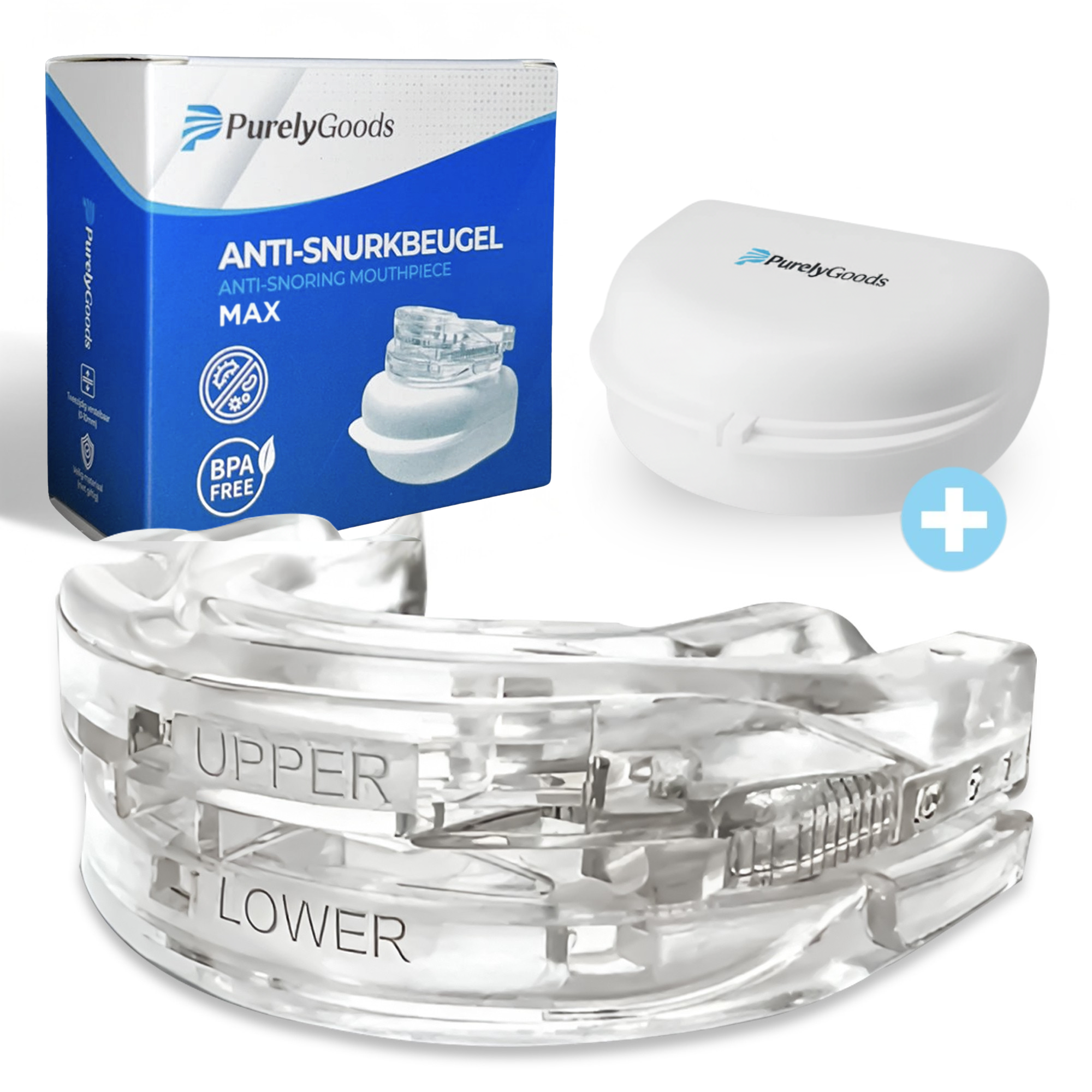
These tools work best in combination with healthy sleep habits and addressing the underlying cause of nasal congestion. Are you torn between nasal strips, mouth tape, or an anti-snoring brace? See which anti-snoring aid suits you best.
Resolve snoring through the nose
Snoring due to nasal congestion occurs when air struggles to flow through the nose and the soft tissue vibrates. Causes range from allergies and colds to structural abnormalities. Practical solutions such as nasal rinsing, an adjusted sleeping position, and breathing exercises can reduce snoring. For severe or persistent complaints, professional advice is important.
Gently try out different methods and discover what truly improves your night's rest. Which tip will you apply tonight to sleep better?
Frequently asked questions
Can a blocked nose always cause snoring?
Not always, but a blocked nose makes airflow more difficult and can intensify snoring.
Does sleeping on your side help against snoring?
Yes, it keeps the airways open and can reduce the sound.
Do nasal strips and nasal drops work for everyone?
Not for everyone. They often help temporarily and work best in combination with other solutions, such as nasal rinsing or breathing exercises.
When should I consult a doctor?
With breathing pauses, extreme fatigue, or concentration problems, it can indicate sleep apnea or other health problems.
Can allergies worsen snoring?
Yes, allergies swell the nasal lining and cause more mucus, which can increase snoring.



Deel:
Mouth Breathing Disadvantages: Here's What It Does to Your Sleep
Bruxism (teeth grinding): causes, symptoms, and treatment