




Did you never snore before, but are you now suddenly waking yourself up with your own snoring, or does your partner tell you that you've started snoring? Then you might be asking yourself: why am I suddenly snoring? You are certainly not the only one. Sudden snoring occurs more often than many people think and can have several causes. Sometimes it involves a temporary change, such as a cold or an allergy. In other cases, lifestyle, aging, or changes in your body play a role.
The good news is that sudden snoring is by no means always a cause for panic. However, it is wise to identify the cause. In this blog, you will discover 9 possible causes of sudden snoring, what you can do about it, and when it is wise to contact a GP.
What is sudden snoring?
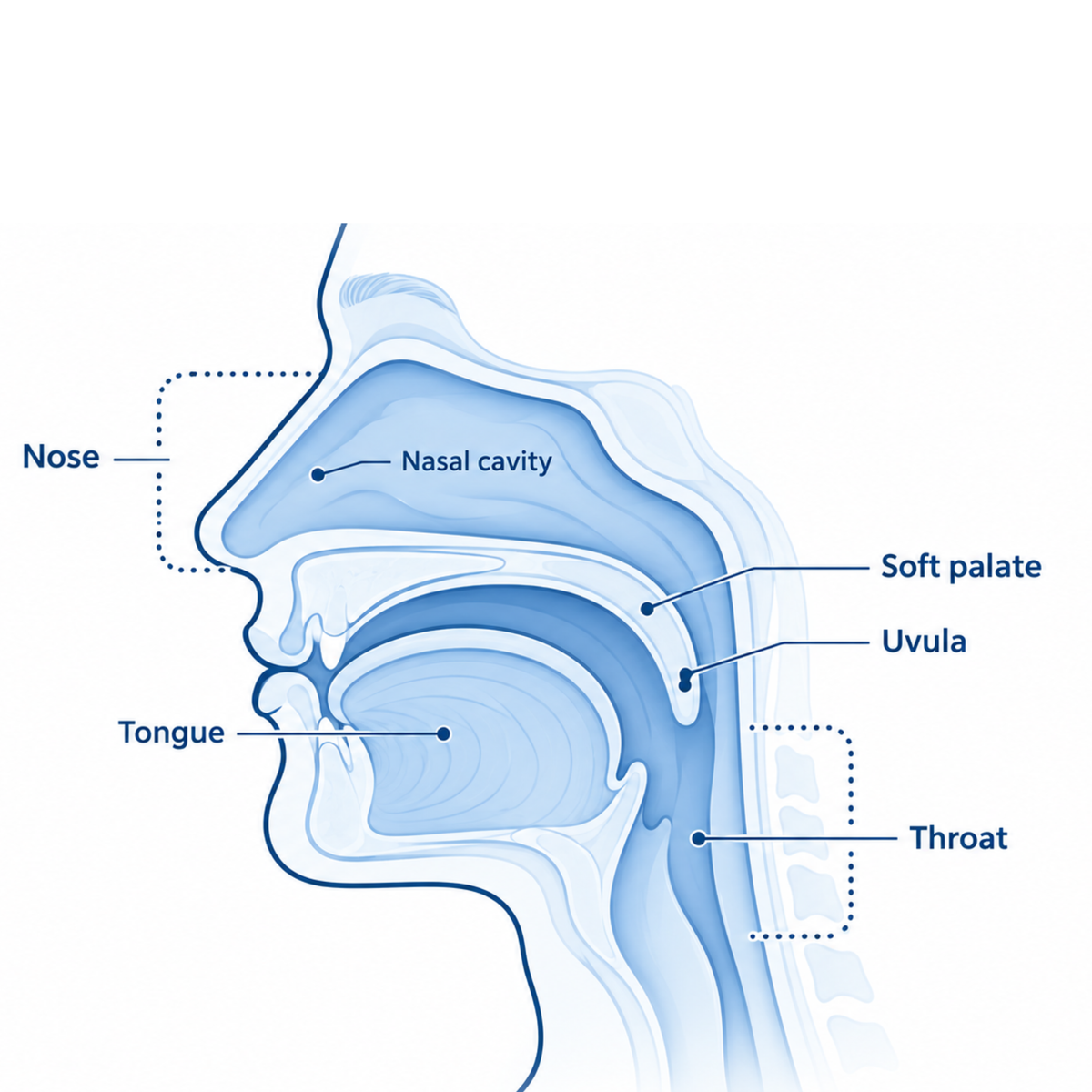
Sudden snoring is the onset of snoring sounds during sleep in someone who previously barely or never snored. The sound occurs when the airflow through the throat or nose is partially blocked, causing soft tissues to vibrate.
Everyone can start snoring temporarily. This does not automatically mean there is a serious problem. Often there is a clear explanation, such as a stuffy nose or a change in your lifestyle. Even so, it is good to be alert if the snoring persists for a longer period or is accompanied by other symptoms, such as extreme daytime fatigue.
Why am I suddenly snoring?
Snoring occurs because air flows less freely through the upper airways during sleep. This causes the soft parts of your throat, palate, or tongue to vibrate. But why does that happen suddenly while you slept peacefully for years?
Below you can read the nine most common causes.
1. A cold or stuffy nose
One of the most common causes of sudden snoring is a stuffy nose. During a cold, the flu, or an allergic reaction, the mucous membranes swell. This makes breathing through the nose more difficult.
When your nose is less clear, you automatically start breathing more through your mouth. This increases the chance that the tissues at the back of the throat will vibrate and cause snoring sounds.
Usually, the snoring disappears on its own as soon as you can breathe freely through your nose again.
2. Allergies
Allergies can also cause you to suddenly start snoring. Think of hay fever, house dust mites, or an allergy to animals.
The allergic reaction irritates the nose and airways. This causes a narrowing of the airway, especially at night when you are lying down for a long time.
Do you notice that you only snore in certain seasons or after contact with pets? Then an allergy can be a logical explanation.
3. Weight gain
Even limited weight gain can influence your breathing during sleep.
Extra fatty tissue around the neck makes the airway slightly narrower. Consequently, air has to move through the throat with more force, which makes snoring more likely.
Not everyone who gains weight starts snoring, but it is a known risk factor.
4. Alcohol before bedtime
A glass of wine or beer may seem relaxing, but alcohol also relaxes the muscles in your throat.
As a result, the tongue and soft tissues collapse backward more easily during sleep. The airway becomes narrower and the risk of snoring increases.
Many people therefore notice that they mainly snore after a night out or when they drink alcohol shortly before going to sleep.
5. Change in sleeping position
Your sleeping position also plays a larger role than many people think.
When you sleep on your back, gravity causes your tongue to fall slightly backward. This partially blocks the airway.
Perhaps you used to automatically roll onto your side, but you have been sleeping on your back more often lately. That small difference can be enough to suddenly start snoring.
Some people even notice that they only snore when they lie on their back and not at all when they sleep on their side.

6. Aging
As you get older, your body changes in various ways. The muscles in your throat also gradually lose some tension. This allows the soft tissues to vibrate more easily during sleep, which causes snoring.
This process usually happens slowly. Nevertheless, some people only suddenly notice it, for example because a partner mentions it for the first time or because several factors coincide.
Aging is a natural cause of snoring, but it does not mean that you cannot do anything about it. A healthy lifestyle and good sleep hygiene can help to limit the symptoms.
7. Certain medications
Some medications have a relaxing or sedative effect. Think, for example, of certain sleeping pills, tranquilizers, or muscle relaxants.
Because these drugs relax the muscles in the throat further, the airway can become narrower during sleep. This increases the chance of snoring.
Have you recently started new medication and have you started snoring since then? Discuss this with your GP or pharmacist. Never stop taking prescribed medication on your own initiative.
8. Hormonal changes
Hormonal changes can affect the muscles and mucous membranes of the upper airways.
During pregnancy or around menopause, some women experience that they start snoring for the first time. Changes in hormone levels can cause the airway to become slightly narrower or the muscles to feel less firm.
Often, these changes disappear on their own or the symptoms diminish once the hormonal balance changes.
9. Sleep apnea
Sometimes sudden snoring is more than just an annoying sound. It can also be a signal of obstructive sleep apnea. In this condition, the airway regularly closes partially or completely during sleep. This creates short breathing pauses that disrupt sleep.
People with sleep apnea often snore loudly, but not everyone who snores automatically has sleep apnea.
Contact a GP if, in addition to snoring, you also suffer from:
- breathing pauses during sleep as observed by your partner;
- suddenly waking up in a panic or gasping for air;
- extreme daytime fatigue;
- concentration problems;
- morning headaches.
A GP can assess whether further examination is necessary.
What helps if you have suddenly started snoring?
The best solution depends on the cause. That is why it is important to first identify why you have started snoring.
These practical tips help many people:
- sleep on your side as much as possible;
- limit alcohol in the final hours before going to sleep;
- maintain a healthy body weight;
- treat a stuffy nose or allergy if that is the cause;
- stick to consistent sleep times.
When snoring is caused by impaired nasal breathing, nasal strips can help by mechanically opening the nostrils slightly further. This allows air to flow through the nose more easily. This can be pleasant for a temporary stuffy nose or when the narrowing is located primarily in the nose.
What works less well?
You will find plenty of advice against snoring online. However, not everything works for everyone.
Some common misconceptions are:
- "There is one solution for everyone." Snoring has different causes. What works for one person may not help another at all.
- "An expensive aid is automatically better." Effectiveness depends on the cause of the snoring, not the price.
- "You just have to accept snoring." Although snoring is often harmless, it can be useful to identify the cause, especially when it arises suddenly.
Who are aids suitable for?
An aid only works when it addresses the cause of the snoring.
| Situation | Possible solution |
|---|---|
| You have difficulty breathing through your nose | A nasal strip can support nasal breathing. |
| Your mouth falls open during sleep while your nose is clear | Mouth tape can help to stimulate nasal breathing. Use this only if you can comfortably breathe through your nose. |
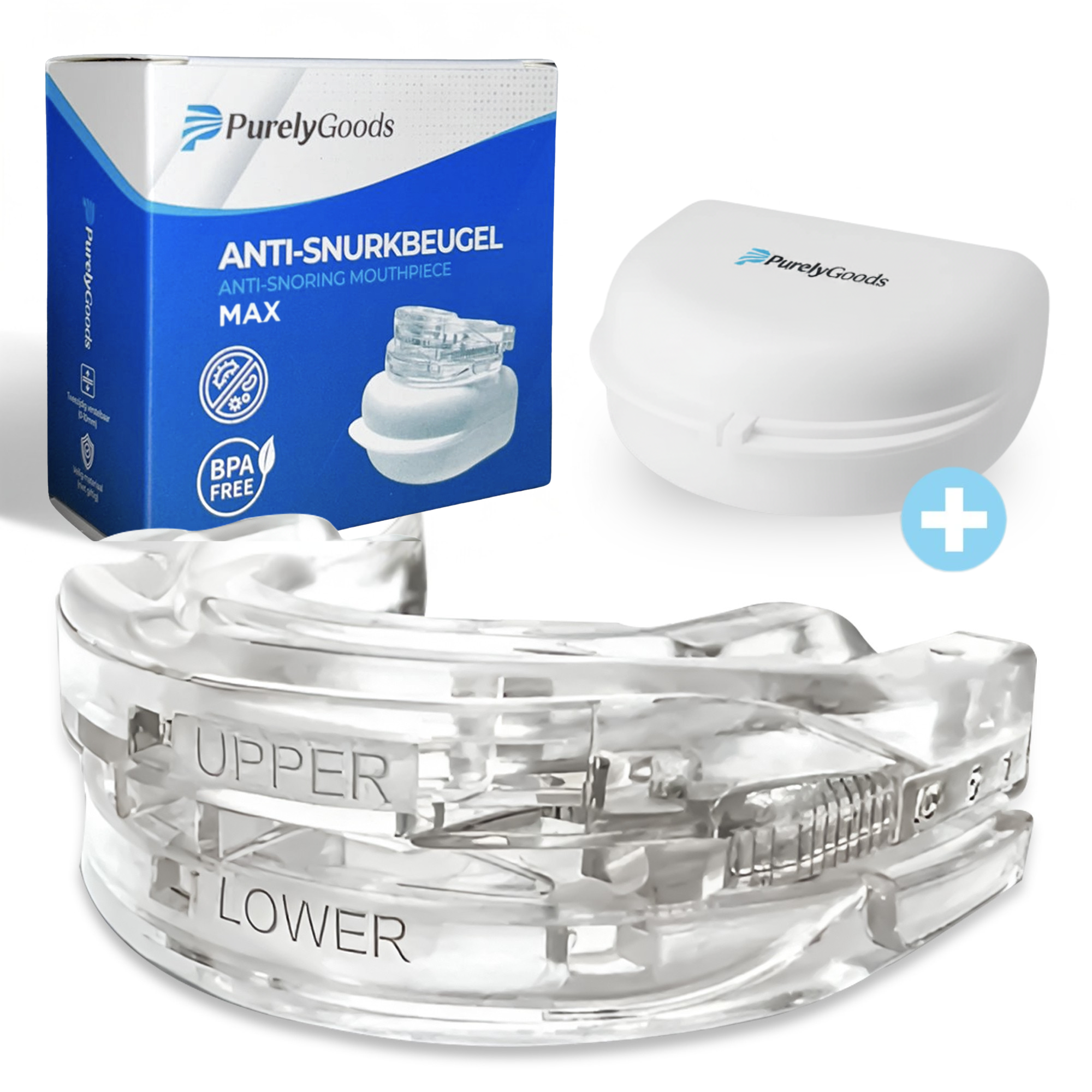
| Your lower jaw falls backward during sleep | An anti-snoring mouthpiece can gently keep the lower jaw forward, giving the airway more space. |
Do the symptoms persist despite these measures, or do they get worse? Then it is wise to seek medical advice.
When should you go to the GP?
In most cases, sudden snoring is harmless and temporary. However, there are situations where it is wise to make an appointment.
Contact a GP if:
- you have been snoring suddenly for weeks or months;
- your partner notices breathing pauses;
- you are very sleepy during the day;
- you regularly wake up with a headache;
- you wake up gasping for air;
- the snoring is accompanied by other health complaints.
A GP can investigate whether there is an underlying cause and, if necessary, refer you for additional sleep studies.
Conclusion
When you ask yourself "Why am I suddenly snoring?", it is important to know that there can be various explanations for this. A cold, allergy, change in sleeping position, alcohol consumption, or weight gain are common causes. In some cases, aging, medication, or an underlying condition such as sleep apnea play a role.
By looking closely at your symptoms and identifying the potential cause, you can often take targeted steps to reduce snoring. Does the snoring persist or are you experiencing symptoms such as breathing pauses or severe fatigue? Then contact a GP for further examination.

Deel:
Morning neck pain: is it caused by your sleeping position?
Waking up tired: what causes it?