




You go to bed on time and perhaps sleep seven, eight, or even nine hours. Yet, the alarm rings and it feels like you've barely slept. Waking up tired is confusing, especially when you think you're getting enough rest.
However, the duration of your sleep doesn't tell the whole story. The quality, regularity, and depth of your sleep also play a role. Additionally, stress, lifestyle habits, your sleep environment, and physical ailments can have an impact. In this blog, you'll read why you might be tired after sleeping, what you can try yourself, and when it's wise to consult your GP.
What does waking up tired mean?
Waking up tired means that after an seemingly sufficiently long night, you don't feel physically or mentally recovered. This is also known as non-restorative sleep.
For example, you might find it hard to get out of bed, have low energy, or struggle to think clearly. Some people only feel groggy for the first half hour. For others, the fatigue persists for a large part of the day.
Moreover, not everyone means the same thing by tiredness. You can be sleepy and feel like you could fall asleep again immediately. You can also be physically exhausted without your eyes closing. This distinction is important because the potential causes are not always the same.
Researchers use various definitions for non-restorative sleep. There is no simple measurement that precisely determines how restorative a night was for someone. Therefore, the personal feeling upon waking remains important.
A single bad morning is usually no cause for concern. Perhaps you went to bed late, had restless dreams, or woke up several times. If you wake up tired almost every morning, it's worth looking beyond just the number of hours slept.
How does waking up tired occur?
A good night's sleep isn't just about putting in hours. During the night, you go through different sleep phases. These phases form several sleep cycles that follow each other.
Your body and brain use this nocturnal rest for various recovery processes. If your sleep is frequently interrupted, you might lie in bed for a long time without the sleep truly feeling refreshing. Poor sleep quality is associated with fatigue, irritability, and reduced daytime functioning, among other things.
You sleep less than you think
Lying in bed for eight hours doesn't automatically mean eight hours of sleep. It might take a long time for you to fall asleep. You might also wake up briefly several times during the night without remembering it well the next morning.
Suppose you go to bed at 11:00 PM and wake up at 7:00 AM. You're in bed for eight hours. If you only fall asleep at midnight and wake up multiple times in between, your actual sleep time is much shorter.
A sleep tracker can give an impression of patterns, but it's not a medical measuring device. Therefore, pay particular attention to recurring signals: lying awake for a long time, frequently checking the clock, feeling restless, or almost falling asleep during the day.
Your sleep is constantly briefly interrupted
Noise, light, a warm room, a pet, or a moving partner can disturb your sleep. You don't have to wake up completely every time. Small interruptions can still make your sleep less peaceful.
Physical discomfort also plays a role. Think of pain, itching, night sweats, frequent urination, or a stuffy nose. Your night might seem long enough, but it consists of fragmented sleep.
A quiet, dark, and comfortable bedroom helps reduce these stimuli. For disturbing ambient light, a well-fitting sleep mask can be practical. Earplugs can help when traffic noise or a partner's noise regularly keeps you awake. They don't solve an underlying sleep disorder, but they can make the sleep environment quieter.
Your biological rhythm is irregular
Your body likes predictable times. If you get up early during the week and go to bed much later on weekends, your sleep rhythm constantly shifts back and forth.
That feels a bit like a small jet lag. On Sunday evening you're not tired yet, but on Monday morning you have to get out of bed early. You can then plan enough hours and still wake up at an unfavorable time.
Shift work, night work, and travel across different time zones can also disrupt your rhythm. A fixed wake-up time is therefore often more important than sleeping in after every bad night.
Stress keeps your brain active
Your body can be in bed while your mind is still racing. You're thinking about work, conversations, money, or everything that needs to be done tomorrow.
Stress and worries can make it difficult to fall asleep and make your sleep more restless. Anxiety, depression, and prolonged tension can also be associated with poor sleep and fatigue.
You don't always consciously notice this nocturnal restlessness. Sometimes you feel like you've slept all night, but you still wake up feeling tense or tired.
Caffeine and alcohol affect your night
Coffee seems primarily for daytime, but caffeine can continue to work for hours. Energy drinks, cola, strong tea, and some sports products also contain caffeine.
Alcohol can make you fall asleep faster. That doesn't automatically mean you sleep better. Later in the night, you might sleep more restlessly or wake up more frequently.
Nicotine can also disrupt sleep. Thuisarts (Dutch GP website) advises, among other things, not to drink caffeine in the six hours before bedtime.
Your breathing can disrupt your sleep
Snoring is not always dangerous. However, it can be associated with a less clear airflow through the nose or throat. A cold, allergy, or dry bedroom air can, for example, cause you to breathe more often through your mouth.
In some people, breathing repeatedly stops briefly during sleep. This can be indicative of sleep apnea. Possible signs include loud snoring, observed breathing pauses, frequently startling awake, and excessive daytime sleepiness. If sleep apnea is suspected, a medical examination is necessary.
Nasal strips can mechanically hold the nostrils slightly wider open. This can be helpful when limited nasal passage plays a role. They do not treat sleep apnea and do not help with every cause of snoring.
Mouth tape is also not a solution for unexplained fatigue or breathing pauses. Do not use mouth tape if you have a blocked nose, nausea, breathing problems, or a suspicion of sleep apnea. If in doubt, consult a doctor first.
You wake up at an unfavorable time
Immediately after waking up, you may temporarily feel sluggish, groggy, and disoriented. This phenomenon is often called sleep inertia.
The feeling can be stronger when your alarm goes off while you are in deep sleep. Sleep deprivation and an irregular rhythm can also make getting up harder.
This does not mean that every difficult morning is caused by your alarm clock or sleep phase. If fatigue persists for hours, there is likely more going on than just an unfortunate wake-up moment.
There may be a physical or psychological cause
Fatigue has many possible causes. Think of side effects of medication, pain, an infection, anemia, hormonal changes, or thyroid problems. Psychological complaints can also play a role.
Often, one precise cause is not immediately found. Thuisarts (Dutch GP website) advises contacting your GP if the fatigue lasts a long time, is severe, or is accompanied by other symptoms.
Therefore, don't endlessly adjust only your bedtime if you are tired every morning. Sometimes the problem is not with your sleep habits.
What helps if you wake up tired?
The best approach depends on the cause. Therefore, don't start with ten changes at once. Choose one or two achievable steps and track their effect for about two weeks.
Keep a sleep diary
Each morning, note what time you went to bed, when you approximately fell asleep, and how often you woke up. Also write down how rested you felt.
Optionally, add caffeine, alcohol, exercise, naps, and stress. This will help you see connections sooner. Perhaps you sleep poorly mainly after late working days or feel more tired after alcohol.
A sleep diary does not provide a diagnosis. However, it does help you look at your pattern more concretely. It can also be useful information when you later speak with your GP.
Also, read more about the basics of sleep on the page sleep science and healthy sleep.
Get up at approximately the same time every day
A fixed routine gives your biological clock stability. Therefore, try to get up around your normal time even after a bad night.
Sleeping in feels attractive, but it can make falling asleep more difficult the following evening. A small difference on the weekend is more sustainable for many people than a completely different schedule.
Only go to bed when you are sleepy. This way, your bed becomes a place that your brain associates with sleep again.
Seek daylight in the morning
Daylight is a strong time signal for your biological clock. Open the curtains after getting up and, if possible, go outside for a bit.
A short walk combines light with gentle movement. This can help you start your day more actively. It doesn't undo a bad night, but it does support a more regular rhythm.
In darker months, the difference between indoor and outdoor light can be significant. Even on a cloudy morning, outdoor light is usually clearer than ordinary room lighting.
Wind down your day calmly
Don't make the last hour a race to bed. Choose a simple sequence that you can repeat almost every evening.
For example, dim the lights, put away work, and jot down tasks for tomorrow. That way, you don't have to keep remembering them in bed.
A phone ban isn't necessary for everyone. It mainly helps to pay attention to what you're doing on the screen. A calm audiobook is different from exciting messages, bright light, or endless scrolling.
Exercise during the day
Regular exercise supports your general health and can help maintain a healthy sleep rhythm. This doesn't have to be strenuous training.
Walking, cycling, or light exercise also counts. Choose something you can sustain. Very intensive training just before bed can actually cause extra alertness in some people.
Thuisarts (Dutch GP website) mentions sufficient exercise and relaxation during the day as part of good sleep habits.
Make your bedroom quieter
Check light, sound, temperature, and comfort. A minor nuisance that you barely notice during the day can recur dozens of times at night.
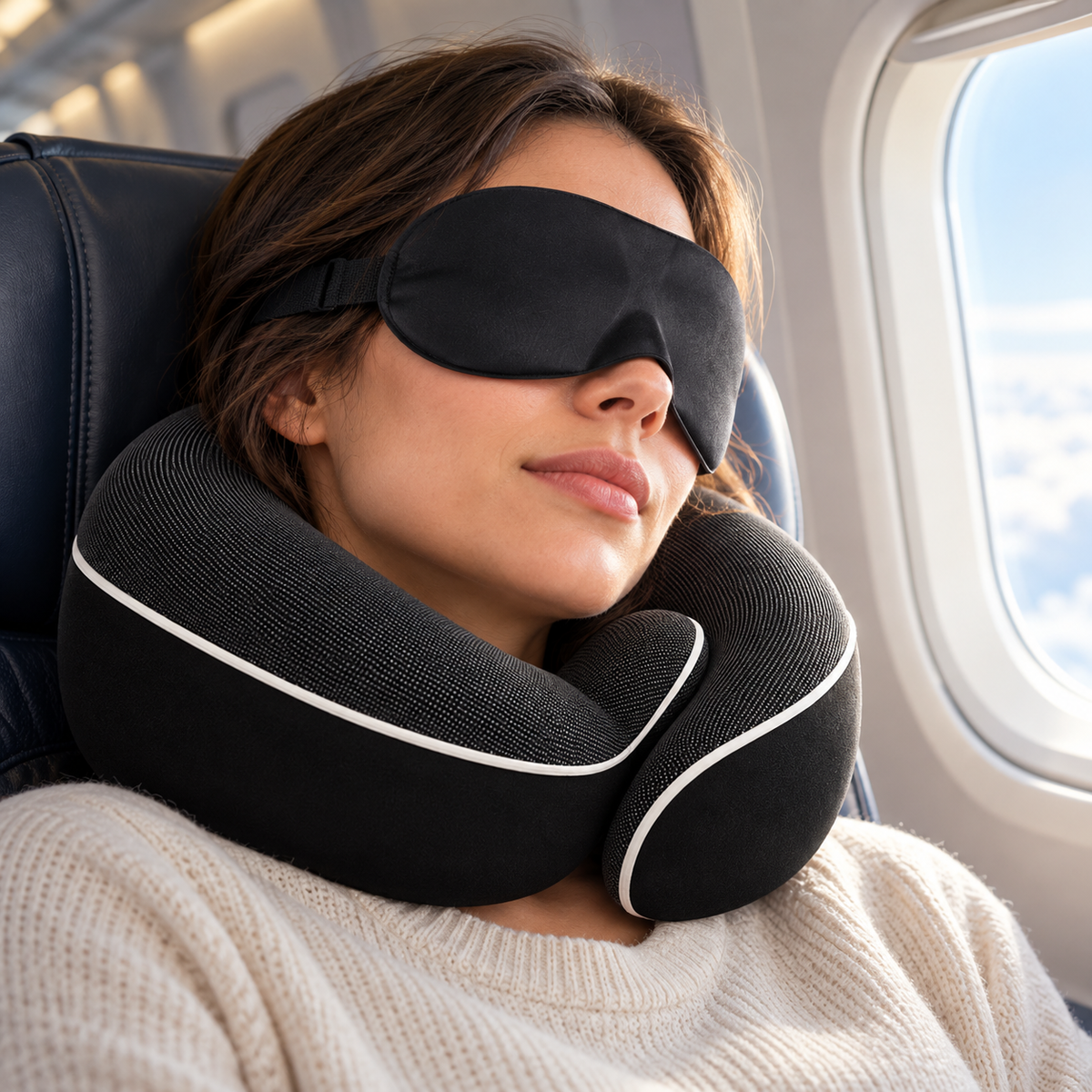
Blackout curtains are usually preferred when a lot of outdoor light enters. A comfortable sleep mask can be a practical addition during travel, naps, or in a room that doesn't get completely dark.
For sound, soft earplugs can provide support. Make sure they fit well and keep them clean. If you have persistent tinnitus, pain, or hearing problems, do not experiment yourself, but seek professional advice.
Investigate snoring and nasal congestion
Are you waking up tired, and does your partner tell you that you snore loudly? Then also pay attention to a dry mouth, morning headaches, breathing pauses, or severe daytime sleepiness.
For temporary nasal congestion, saline solution or treatment of a known allergy can sometimes be relevant. Discuss persistent complaints with a doctor or pharmacist.
A nasal strip for the night can mechanically support the nasal passages. A mouth tape for conscious nasal breathing is only suitable when the nose is clear and there are no indications of a breathing disorder.
Read more about the role of breathing during the night on Breathing Science.
What is less effective against waking up tired?
When waking up tired, people often look for one quick solution. The problem is that not all fatigue is a sleep problem. And not every sleep problem has the same cause.
Constantly staying in bed longer
More time in bed mainly helps when you actually get too little sleep. If you are already in bed for eight or nine hours and sleep restlessly, an extra hour will not automatically solve the cause.
Lying awake for a long time can also cause frustration. You then start to associate your bed more and more with worrying, calculating, and trying to sleep.
Therefore, don't just look at sleep duration. Also look at rhythm, interruptions, and how you function during the day.
Relying on a sleep tracker's score
A watch or ring can reveal patterns. However, the result remains an estimate.
A low score can cause unnecessary anxiety. A high score can reassure you even though you feel bad daily. Your complaints and functioning are more important than a single number.
Therefore, use sleep data as an indication, not as a final judgment.
Using alcohol to fall asleep faster
A glass of alcohol can make you sleepy. However, falling asleep faster is not the same as more restorative sleep.
If you notice that you wake up more often, feel thirsty, or have a harder time getting up after drinking alcohol, it's worthwhile to compare a period without alcohol. This way, you'll discover how it affects you.
Taking supplements without a clear reason
Melatonin is often seen as a general sleep aid. However, it mainly plays a role in timing the sleep-wake rhythm and is not automatically the right choice for every type of fatigue.
The dosage and timing make a difference. Incorrect use can actually make your rhythm more unclear. Thuisarts (Dutch GP website) advises against taking sleeping pills, melatonin, or valerian on your own initiative for poor sleep.
Seeing breathing aids as a universal solution
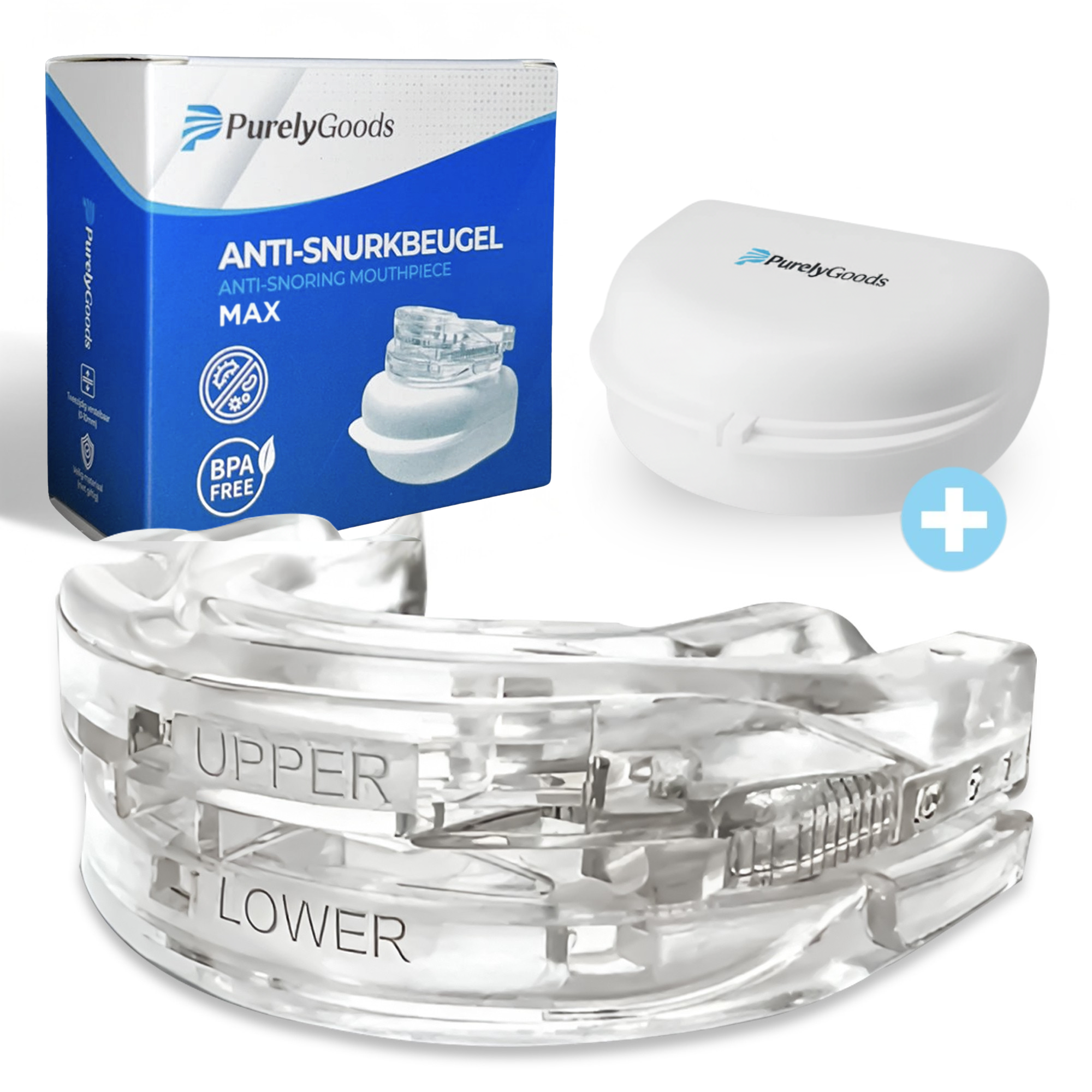
A nasal strip, mouth tape, or anti-snoring product may be suitable for a specific situation. None of these aids treat all causes of waking up tired.
If your room is too bright, a sleep mask might be logical. If your nose is temporarily somewhat constricted, a nasal strip can feel pleasant. However, breathing pauses, severe shortness of breath, or severe daytime sleepiness require prior medical evaluation.
Who are these tips for, and who are they not for?
The practical sleep advice in this blog is primarily for adults who set aside enough time for sleep but wake up restless or not refreshed. They are also suitable if your rhythm varies or your sleep environment is regularly disturbed.
Use the advice as an experiment, not as a guarantee. Give a change enough time and note the effect.
| Situation | Possible first step | When to seek help? |
|---|---|---|
| Irregular sleep hours | Choose a fixed wake-up time | If you cannot establish a rhythm due to work or symptoms |
| Light or noise in the room | Darken the room or use appropriate aids | For persistent hearing or eye complaints |
| Stress and worrying | Wind-down routine and sleep diary | For prolonged anxiety, sadness, or overstrain |
| Loud snoring | Review sleep position and nasal passage | For breathing pauses or severe daytime sleepiness |
| Tired every morning for weeks | Note down symptoms and habits | Make an appointment with your GP |
Be sure to make an appointment with your GP if the fatigue lasts for weeks, gets worse, or significantly limits your daily activities.
Also contact them if you experience symptoms such as unexplained weight loss, fever, pain, shortness of breath, palpitations, sadness, or sudden muscle weakness. Do not drive if you are so sleepy that your attention wanes. Thuisarts specifically warns against this in cases of possible sleep apnea.
Frequently asked questions about waking up tired
Why do I wake up tired after eight hours of sleep?
Eight hours in bed isn't always eight hours of restorative sleep. You might fall asleep late, wake up briefly often, or sleep restlessly due to stress, noise, alcohol, or physical discomfort. Therefore, don't just look at the clock. Also track how often you wake up and how you function during the day.
Why am I still tired after nine hours of sleep?
Sleeping longer doesn't always solve poor sleep quality. Your rhythm might be irregular, or your sleep might be unknowingly interrupted. Medications, psychological stress, and physical causes can also lead to fatigue. If this persists, discuss your symptoms with your GP.
Is it normal to be tired every morning?
A single tired morning is perfectly normal. Waking up tired every morning deserves more attention, especially when it lasts for weeks or affects your work, driving, and concentration. First, keep a sleep diary and discuss persistent or severe symptoms with your GP.
Can snoring cause me to wake up tired?
It can. Snoring can be associated with less free airflow and a restless night. Loud snoring combined with breathing pauses, startling awake, or severe daytime sleepiness can indicate sleep apnea. A doctor can determine if a sleep study is needed.
Does a sleep mask help against waking up tired?
A sleep mask can help when light disturbs your sleep. It does not treat stress, sleep apnea, pain, or other physical causes. Therefore, view it as a tool to darken the environment, not as a general treatment for fatigue.
Can mouth tape help you wake up more rested?
Mouth tape can help some people consciously breathe through their nose when their nose is completely clear. There is no guarantee that this will make you wake up more rested. Do not use it if you have nasal congestion, nausea, breathing problems, or suspected sleep apnea. If in doubt, seek medical advice.
When should I see a doctor for fatigue?
Make an appointment if the fatigue is prolonged, worsens, or interferes with your daily life. Do so also if you have other symptoms or suspect that medication, pain, illness, or sleep apnea plays a role. Thuisarts also advises consulting a doctor for prolonged fatigue or additional symptoms.
Conclusion
Waking up tired does not automatically mean you are not getting enough sleep. Interrupted sleep, an irregular rhythm, stress, your sleep environment, breathing problems, and physical complaints can also play a role.
Start with a sleep diary and one achievable change, such as a fixed wake-up time or a quieter bedroom. Then observe the pattern for two weeks. Are you still tired every morning or do you have additional complaints? Discuss this with your doctor.
Which factor is most likely disrupting your sleep: your rhythm, your environment, stress, or your breathing?


Deel:
Why Am I Suddenly Snoring? 9 Possible Causes
Nose or mouth breathing? How to test it yourself at home