




Snoring may seem harmless, but it can significantly disrupt your sleep and that of your partner. If you regularly wake up with a dry mouth, a heavy head, or feeling like you've barely slept, chances are your snoring is affecting your sleep quality. Fortunately, there's one simple, natural approach that's often overlooked: adjusting your sleeping position.
In this blog, you'll discover which sleeping position works best against snoring, why it works, and how to comfortably implement it without complicated aids.
Why snoring occurs and what your posture has to do with it
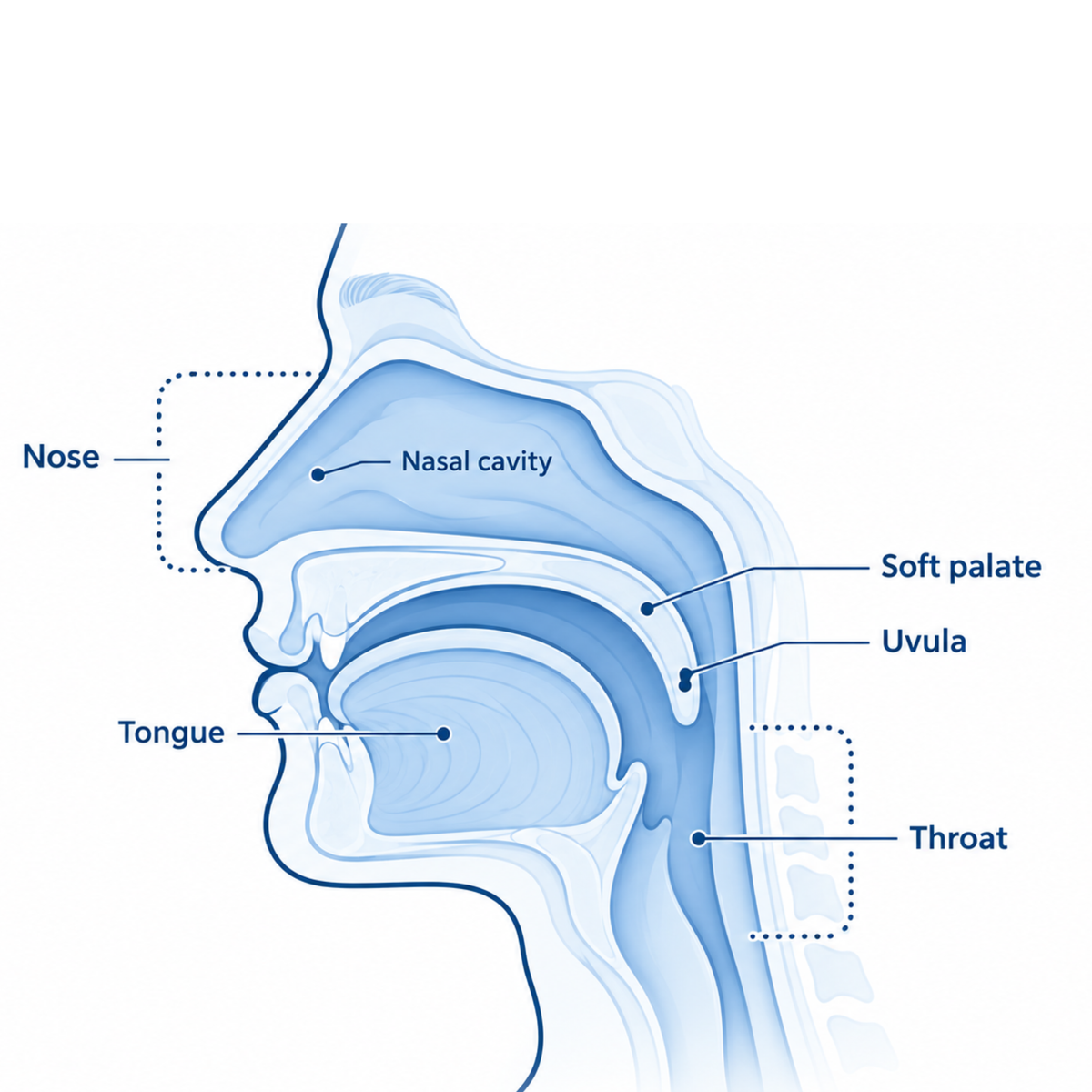
Snoring occurs when air cannot flow freely through your throat and nose while sleeping. This usually happens because the muscles in your throat relax, partially blocking the airways. The air forced through causes vibrations: the snoring sound.
What your posture has to do with it:
If you sleep on your back, your tongue is more likely to fall backward, and your airways become blocked more easily. Therefore, back sleeping is a major cause of snoring, even in otherwise healthy people.
That's why: adjusting your sleeping position is one of the most natural ways to alleviate snoring.
What is the best sleeping position for snoring?
1. Sleeping on your side (preferably your left side)
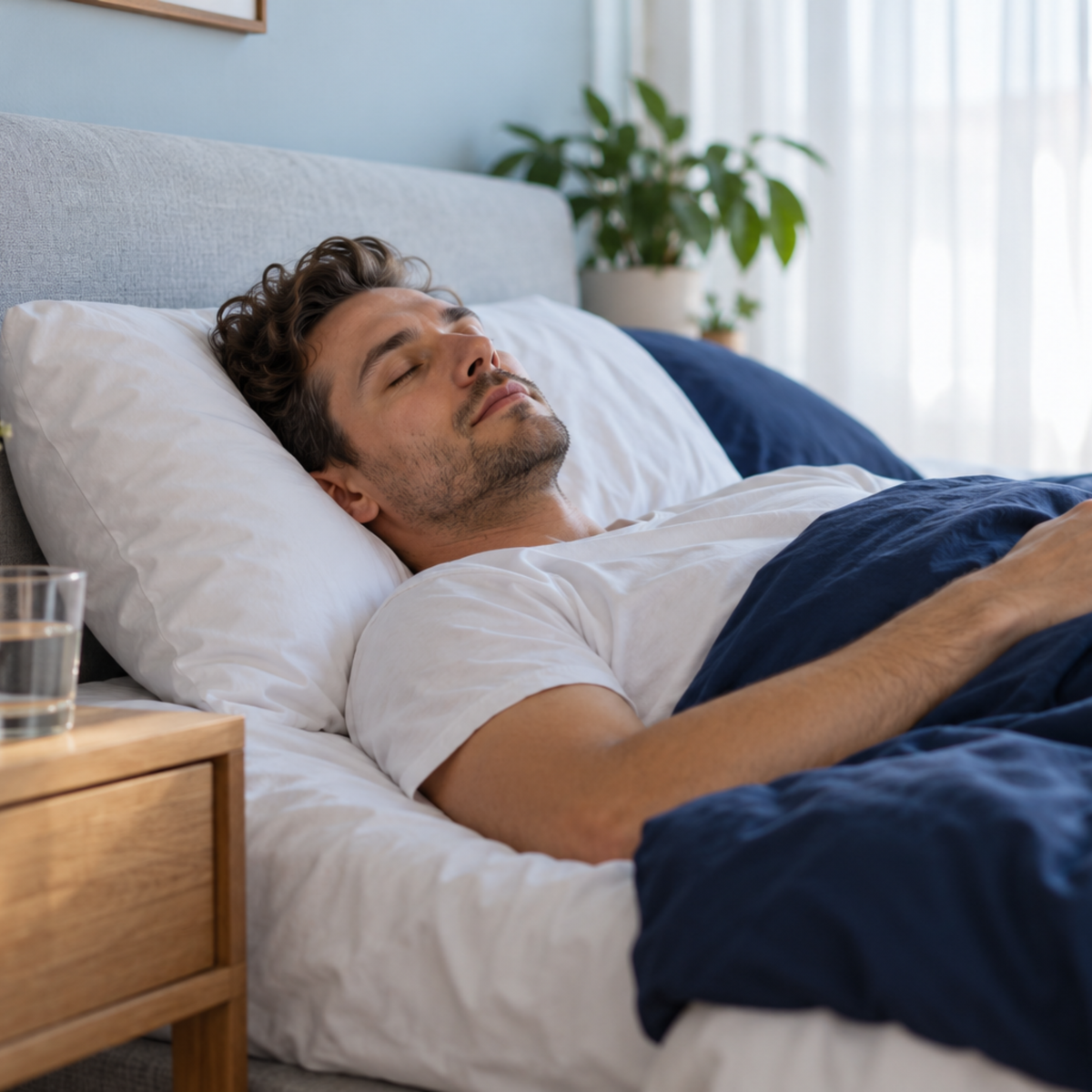
Sleeping on your side keeps your airways more open, prevents your tongue from falling backward, and thus reduces the likelihood of snoring. Especially the left side has additional benefits: it promotes digestion and reduces pressure on the airways.
This is the best sleeping position for snoring.
Tip: Use a body pillow or a pillow between your knees to stay comfortably on your side.

2. Avoid back sleeping (the snoring position)
As mentioned, sleeping on your back is the most common sleeping position for people who snore. Your tongue and palate fall backward and narrow the airways.
Tip for avoiding back sleeping: Sew a tennis ball into the back of your pajama shirt or use an anti-snore pillow that discourages back sleeping. Uncomfortable? Yes, for a while – but it helps your body learn a new habit.
3. Stomach sleeping: sometimes effective, but not ideal
Stomach sleeping can reduce snoring because your tongue is less likely to fall backward. However: it strains your neck and back, and is not an ergonomic position in the long run.
Only use this position as a temporary solution, or if you don't have neck or back problems.
Practical tips for naturally alleviating snoring
In addition to your sleeping position, there are several other simple and natural ways to reduce snoring:
Ensure good sleep hygiene
A regular sleep schedule and sufficient sleep help your muscles (including those in your throat!) relax better.
Pay attention to your diet before bed
Heavy meals, alcohol, and dairy products can worsen snoring.
Use an anti-snore pillow
Special ergonomic pillows support your head and neck in a way that keeps your airways open.
Keep your bedroom free of irritants
Allergies or dry air can block your nose, making snoring worse. Consider using a humidifier or air purifier.
Breathe freely
A blocked nose forces you to breathe through your mouth, which intensifies snoring. Use PurelyGoods mouth tape and/or nasal strips.

Why a natural approach makes a difference
Many people quickly resort to devices or aids for snoring problems. These can certainly help, but starting with the cause, your sleeping position, is much simpler and more sustainable. By adopting a good sleeping position:
-
You improve your breathing during sleep
-
You wake up more rested
-
You feel more energetic during the day
-
You prevent medical complications like sleep apnea
And perhaps most importantly: you regain confidence in your own sleep.
What if you've tried everything already?
If you've tried everything, from nasal sprays to apps, but the snoring keeps returning, adjusting your sleeping position is still worth it. Sometimes the solution lies in a small, structural difference. And: it's completely natural, without side effects.
If snoring persists or becomes more severe, it's advisable to consult a doctor or sleep expert, especially if you experience daytime fatigue or breathing pauses (sleep apnea).
Conclusion: start sleeping better tonight
Snoring can significantly affect your quality of life. Fortunately, you don't have to immediately resort to expensive devices. The right sleeping position for snoring is often a powerful start. Sleeping on your side, with some smart aids, can make the difference between a restless night and truly deep rest.
What can you do differently tonight?
Have you tried sleeping on your side? Or do you have another natural tip that works against snoring? Let us know in the comments, we're curious about your experience!
Deel:
What does too little sleep do to a child?
Why Nasal Strips Are Better Than Nasal Spray (and How They Improve Your Breathing)