



Are you a light sleeper who wakes up from every little sound, a snoring partner, traffic, or thin walls? Then earplugs are often the simplest solution. However, there are major differences: foam, silicone, and wax dampen sound differently and feel different. In this guide, we explain which type suits which sleeper, what to look out for, and when earplugs might not be the best choice.
How do earplugs work?
Earplugs reduce noise by (partially) closing off your ear canal. How much noise they block is indicated on the packaging as the SNR value (Single Number Rating) in decibels (dB): the higher, the more dampening. For sleeping, it is not just the dampening that is important, but above all the comfort when you lie on your side; you won't keep an earplug in all night if it sticks out or causes pressure.
Important to know: no earplug makes things completely silent. They dampen sound, they do not banish it. Realistic expectations will help you choose the right ones.
The three types of earplugs compared
|
Type |
Dampening |
Comfort for side sleepers |
Reusable |
Suited for |
|---|---|---|---|---|
|
Foam |
Highest dampening (often ±30 dB SNR) |
Reasonable; can stick out |
Limited (a few times) |
Those who want maximum dampening, e.g., against snoring |
|
Silicone (in-ear) |
Medium |
Good |
Yes |
Those seeking a balance between dampening and comfort |
|
Wax / moldable |
Medium; seals softly |
Very good (flat, does not stick out) |
Limited |
Side sleepers and sensitive ears |
In short:
- Foam dampens the most and is inexpensive, but expands in your ear canal and can press slightly when sleeping on your side. You squeeze them together and let them expand.
- Silicone (in-ear, reusable) provides a good balance: easy to clean, pleasant comfort, slightly less dampening than foam.
-
Wax/moldable is molded over the entrance of your ear canal. They do not stick out, making them ideal if you sleep on your side and are prone to pressure points.
What should you pay attention to when choosing?
- Your sleeping position. Side sleeper? Choose flat-sealing wax or soft silicone that does not stick out.
- The source of the noise. For a loud snoring partner, you want maximum dampening (foam or high SNR). For soft background noise, a mid-range model suffices.
- Reusable vs. disposable. Looking to be more eco-friendly and cheaper in the long run? Choose reusable silicone. Do you want a fresh start every night? Then foam/wax are more logical.
- Sensitive ears. Choose a soft material and a smaller size; never force them deep into your ear canal.
- Fit/size. Too big causes pressure, too small does not seal. Some sets offer multiple sizes to test.
What works less well (and the nuance)
- "More dB is always better." Not if it comes at the expense of comfort. An earplug that dampens 3 dB more but falls out at night or causes pressure doesn't help you. Comfort wins when it comes to sleep.
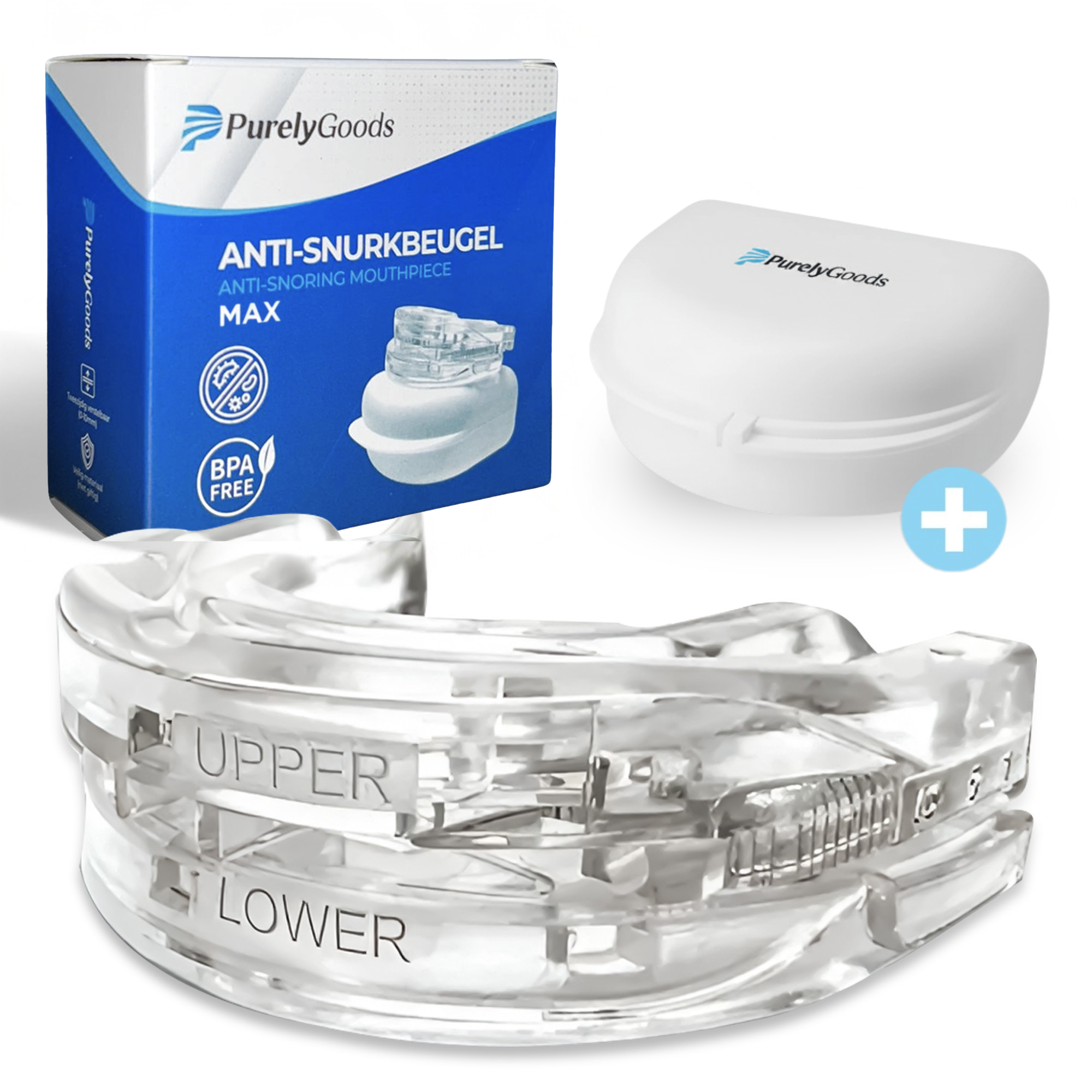
- "Earplugs solve snoring." They solve your disturbance from the snoring, not the snoring itself. If your partner snores, an anti-snoring product for them is the real approach; earplugs are your own emergency brake.
- "I won't hear my alarm anymore." A valid concern. Set an alarm with a vibration function or a second alarm if you are using high-dampening earplugs.
Who are earplugs less suitable for?
- Do you have an ear infection, excessive earwax, or a discharging ear? Do not use earplugs and consult your GP.
- Are you experiencing itching, irritation, or ear pain? Stop and try a different material or size.
- Are you afraid you won't hear your alarm or the children? Then consciously choose a lighter dampening level.
Finally
The best earplugs for sleeping are not the ones with the highest number, but those that dampen enough and remain comfortable all night in your sleeping position. Foam for maximum dampening, silicone for balance, wax for side sleepers and sensitive ears. Not sure if noise is your biggest sleep disruptor? Combine them with a sleep mask and make your bedroom a sanctuary from stimuli; check out our sleep aids.
Curious how our sleep earplugs score in practice? Rustige Nacht tested them and gave them a 4.7/5. Read the review here.

Deel:
Breathing for strength training: how to build more strength and stability
How nasal breathing accelerates your sports recovery