

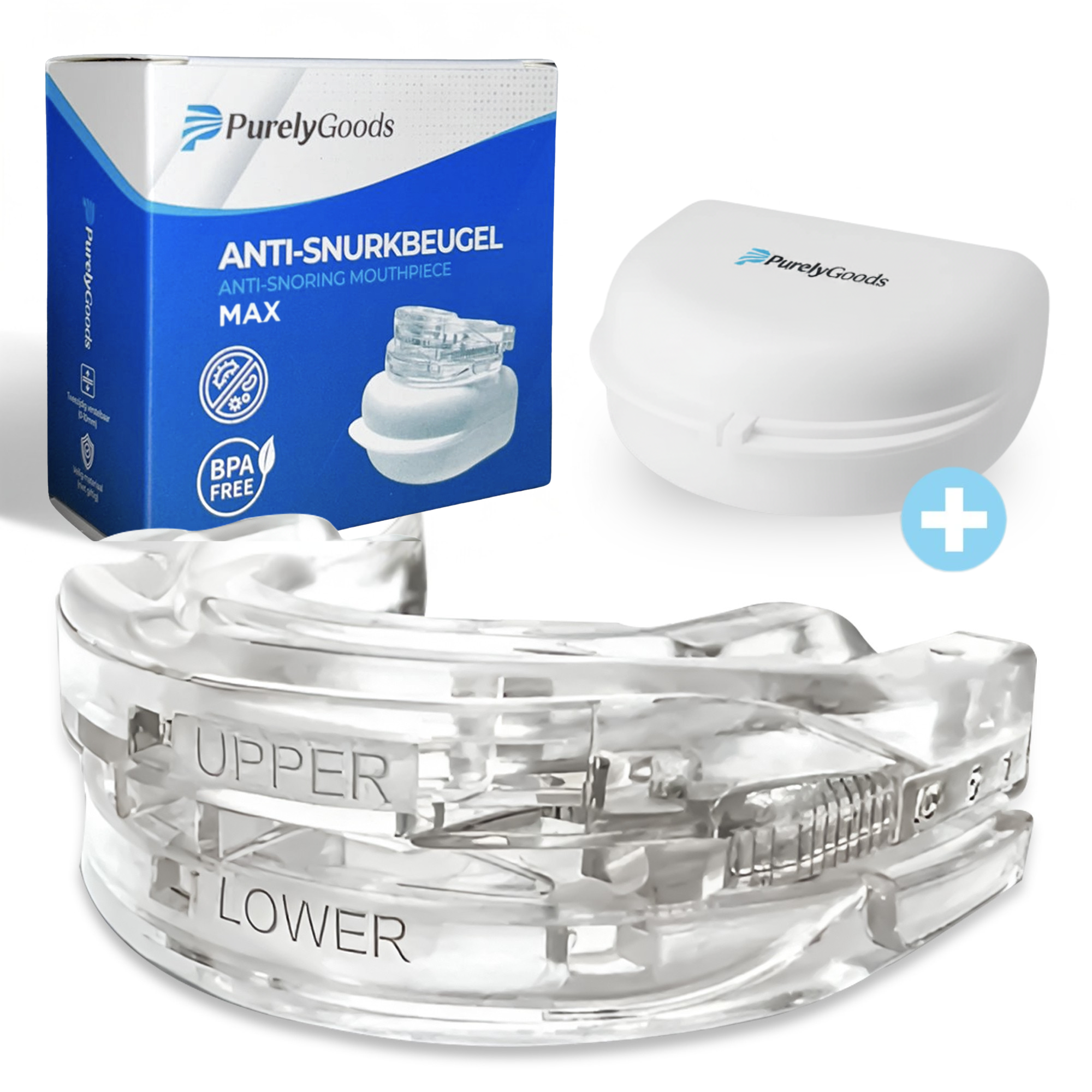



Snoring due to mouth breathing is common, but many people don't realize that how they breathe at night has a significant impact. Breathing through the mouth at night can not only cause snoring but also lead to a dry mouth, less deep sleep, and daytime fatigue. In this article, we delve into the causes of mouth breathing, its relationship with snoring, and how anti-snoring aids like mouth tape can support this issue.
What is mouth breathing and why does it lead to snoring?
Mouth breathing is more common than you think and is a major cause of snoring. Breathing through the mouth changes the airflow in your throat, causing the soft tissues to vibrate. In this section, we explain exactly how this works and what you might notice in your daily sleep.
How breathing affects your sleep
Normally, we breathe through our nose. The nose filters, warms, and humidifies the air before it reaches the lungs. With mouth breathing, this process is missed, making the air drier and colder. This can lead to throat irritation and a higher chance of snoring.
How snoring occurs due to mouth breathing
Snoring occurs when the airflow during breathing causes the soft tissues in the throat to vibrate. Those who breathe through their mouth often open their mouth and jaw more than necessary. This relaxes the tongue and throat muscles, leading to greater vibration of the soft palate (the typical snoring sound).
Causes of mouth breathing
There are multiple reasons why people breathe through their mouth at night. Sometimes it's due to anatomy, other times habits or age play a role. We will look at the main causes so you can better understand why snoring occurs:
- Anatomical factors: for some people, nasal structure is a significant cause of mouth breathing. A blocked nose, a deviated septum, or enlarged tonsils make nose breathing difficult.
- Habits and lifestyle: poor sleep posture, tension, or stress can exacerbate mouth breathing. People accustomed to sleeping with their mouth open have often developed this habit over years, making it an automatic occurrence at night.
- Changes due to age: with age, the muscles in the throat and tongue relax. This makes it easier to breathe through the mouth and increases the chance of snoring.
Consequences of snoring due to mouth breathing
Snoring is not only annoying for yourself and those around you; it can also affect your health and daily functioning. Here you can read about the practical consequences of mouth breathing.
- Poorer sleep quality: mouth breathing means the air is less efficiently filtered and humidified. This can lead to minor throat irritations, more frequent awakenings, and shallow sleep phases.
- Dry mouth and bad breath: a mouth that is open at night dries out faster. This can lead to poor oral hygiene, discomfort upon waking, and an increased risk of tooth decay.
-
Daytime fatigue: due to reduced sleep quality, a person who breathes through their mouth often feels less rested, irritable, or has difficulty concentrating.

Mouth tape for snoring
One of the simplest ways to reduce snoring caused by mouth breathing is to use mouth tape. They encourage nasal breathing and help you regain restful sleep. In this section, we explain how they work and for whom they are suitable.
What is mouth tape?
Mouth tape (also known as mouth strips) are specially designed strips that gently close the mouth during sleep. They encourage breathing through the nose, which can reduce snoring.
How mouth tape works
- The lips are held together lightly, so breathing automatically occurs through the nose.
- Airflow through the nose helps keep the throat and tongue muscles more stable.
- The chance of vibration of the soft palate decreases, reducing snoring.
Who are these suitable for?
- People with mild to moderate snoring complaints due to mouth breathing
- Those without severe medical conditions that restrict nasal breathing
- Individuals looking for a non-invasive and comfortable method to try

Additional tips for snoring due to mouth breathing
In addition to mouth tape, there are other measures that can improve your sleep quality. Small adjustments in posture, breathing, and hydration often make a big difference.
- Improve your sleeping posture: sleeping on your side can reduce the chance of mouth breathing. Sleeping on your back often causes the tongue to fall backward and narrow the airway.
- Keep your nose clear: a blocked nose increases the chance of mouth breathing. Nasal strips, steam, or a light saline solution can help keep the airway open.
- Breathing exercises: exercises that strengthen the tongue and throat muscles, such as conscious nasal breathing, can reduce mouth breathing in the long term.
- Hydration: drinking enough water keeps the mucous membrane moist, reducing the chance of irritation and snoring.
How to tackle snoring
Snoring due to mouth breathing can significantly affect your sleep quality. Fortunately, there are simple ways to reduce it. Mouth tapes encourage nasal breathing and help limit vibrations in the throat. Combine this with healthy sleep habits such as good sleeping posture, clear nasal passages, and sufficient hydration for the best results. Want to know which snoring aid suits you? Discover more here.
Do you want to improve your sleep and reduce snoring? Try a mouth tape and experience the difference yourself.
Frequently asked questions
Why do I snore at night?
Snoring occurs when the airflow causes the soft tissues in the throat to vibrate. Mouth breathing often plays a role. Other factors include a blocked nose, sleeping posture, or muscle relaxation due to age.
Does mouth tape really help against snoring caused by mouth breathing?
Mouth tapes encourage nasal breathing by gently closing the lips during the night. This keeps the airway more stable and reduces the vibration of the soft palate, which can decrease snoring.
What are the causes of snoring?
Snoring can have multiple causes: mouth breathing, blocked nose, relaxed throat and tongue muscles, overweight, alcohol consumption, or sleeping on your back.
Can I reduce snoring without devices or medication?
Yes, there are several natural ways to reduce snoring: stimulate nasal breathing with mouth tapes, adjust sleeping posture, keep the nose clear with saline solutions or steam, do breathing exercises, and ensure sufficient hydration.
Which sleeping posture helps against snoring caused by mouth breathing?
Sleeping on your side reduces the chance of the tongue and throat muscles blocking the airway. Sleeping on your back, however, promotes mouth breathing and snoring. Pillows that support the body and a slight elevation of the head can also help improve airflow.


Deel:
The art of a pure morning ritual: start your day in balance
Nose Breathing vs. Mouth Breathing While Running: Which Is Better?