



"Sleepmaxxing" means trying to optimize your sleep as much as possible, often using social media trends. Most of what is demonstrably helpful is old advice: set times, daylight, less caffeine, and putting screens away. Trackers, melatonin, and mouth tape are less certain and can sometimes cause more stress or risk than benefit.
What really works for sleepmaxxing?
The best advice is nothing new. Thuisarts recommends going to bed and waking up at the same time every day. Do not drink caffeine in the six hours before sleep, and put your phone, tablet, and computer away one to two hours before bedtime.
Relax for half an hour before bed and do the same things as much as possible every evening. Try to get at least seven hours per night. Sleeping in on the weekend is fine, but preferably no more than two hours later than usual.
Go outside for an hour during the day, preferably in the morning. Daylight helps your body produce its own melatonin. You can read more about how sleep works on our Sleep Science page.
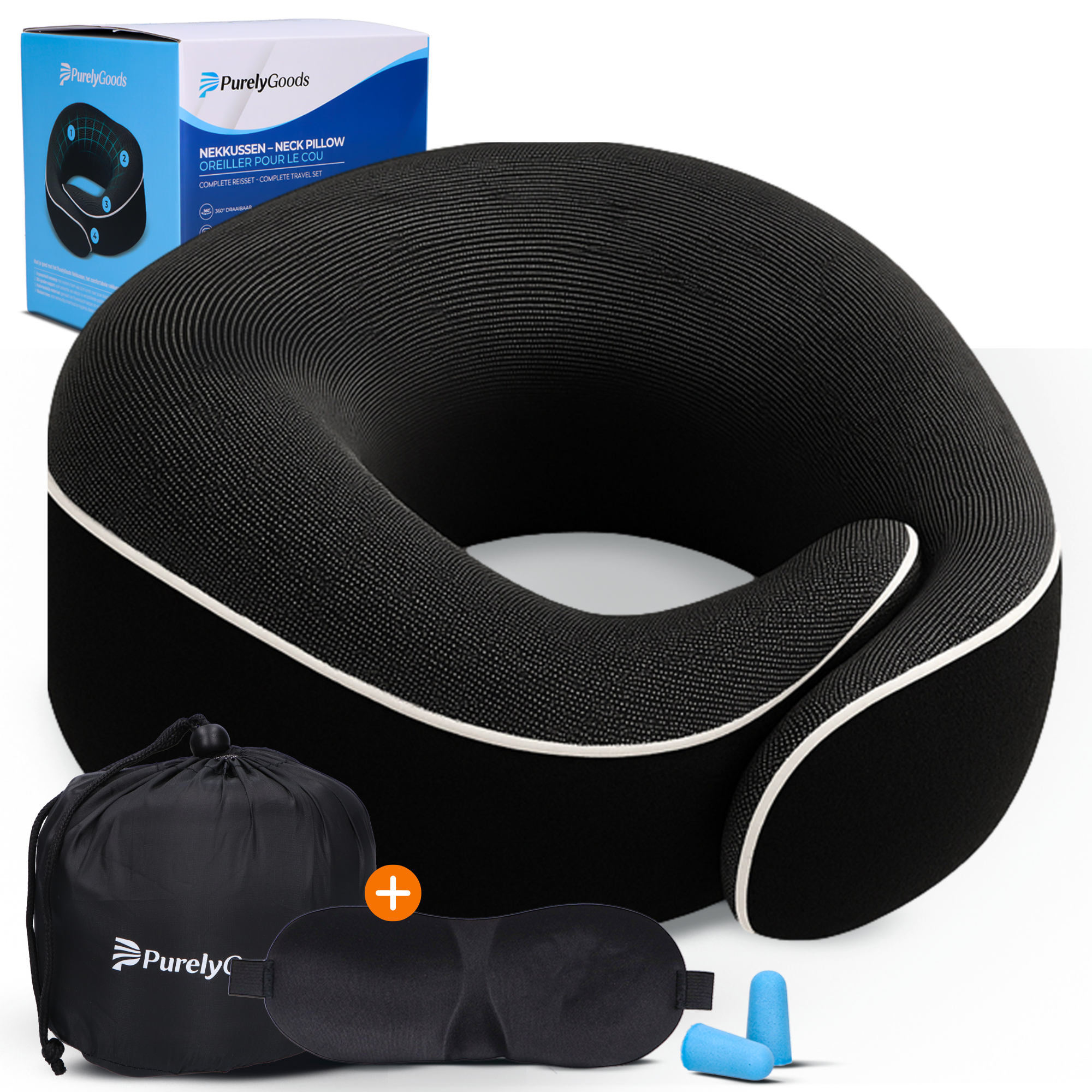
Do light or noise keep you awake? Then a sleep mask or earplugs can be a practical addition. They do not replace good sleep habits.
Is sleep tracking useful or does it actually increase stress?
A tracker shows patterns, such as what time you go to bed. Some people actually get stressed by it. In 2017, researchers from Rush University gave this the name orthosomnia: a fixation on perfect sleep based on tracker data. It is not an official diagnosis.
Does your sleep score determine your mood? Then put your tracker away for a few weeks and pay attention to how rested you feel. You can read more in our article on sleep tracking.

Mouth tape: what is known?
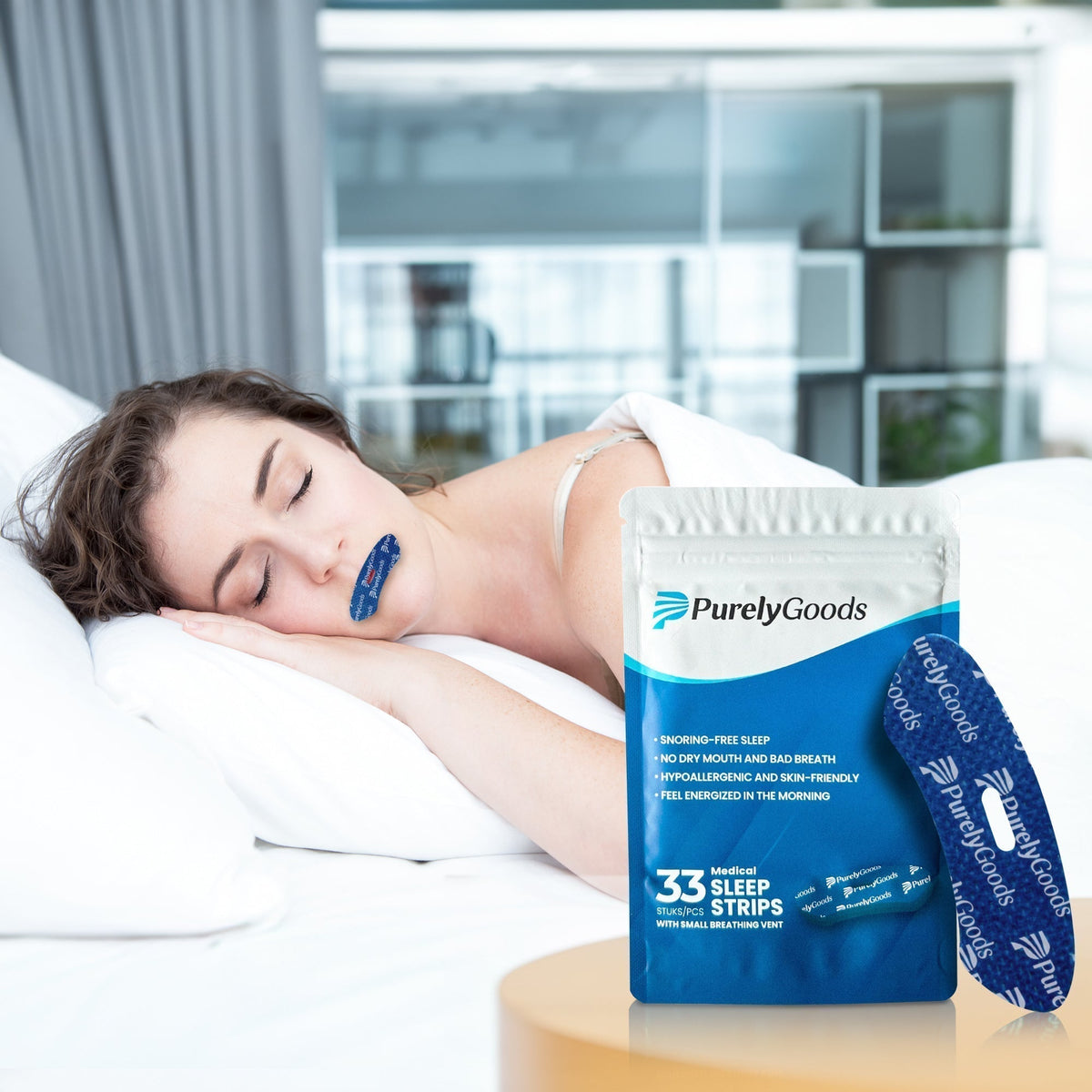
Mouth tape is one of the best-known sleepmaxxing hacks. The studies are small. In a 2022 study with 20 people with mild sleep apnea who breathe through their mouths, snoring and the number of breathing pauses per hour decreased by about half. A 2025 systematic review in PLOS One looked at ten studies and saw a small improvement in some, including for snoring. However, the authors concluded that the evidence does not support mouth tape as a treatment for sleep apnea or other sleep-related breathing problems. They also mention a possible risk of suffocation if the nose is blocked.
Do you have a blocked nose, do you have difficulty breathing, or do you suspect sleep apnea? Do not use mouth tape and discuss it with your GP first. Also read: Is mouth tape dangerous?
A nasal strip can improve nasal passage. A systematic review found no improvement in sleep apnea, and results for snoring are mixed. You can read more in our article about nasal strips and mouth tape.
Sleepmaxxing hacks at a glance
| Hack | What is known | Practical choice |
|---|---|---|
| Set sleep times, less caffeine | Basic advice for poor sleep | Do |
| Daylight, screens away before bed | Basic advice for poor sleep | Do |
| Sleep tracker | Can provide insight, but also tension | In moderation |
| Mouth tape | 2025 review does not support it as a treatment; risk if nose is blocked | Not if you have nasal issues or suspect sleep apnea |
| Melatonin pills | Not recommended for poor sleep | Consult GP first |
Want to start without the pressure? Choose one habit, for example, fixed times, and see how you feel after two weeks.
When should you see your GP?
Sleepmaxxing can turn into pressure to sleep perfectly, which can actually disrupt your sleep. Do you continue to sleep poorly while following the sleep advice? Then choose a treatment together with your GP. Do you suspect sleep apnea, for example due to breathing pauses during your sleep? Discuss that with your GP as well.
Are you unsure which sleep aid fits your situation? Take the Sleep Test.
Deel:
Headaches due to stress: how daytime tension affects your nights and your head
Jaw tension and teeth grinding due to poor sleep