





Every second of the day we breathe, without thinking about it. Yet the respiratory system plays an essential role in almost every aspect of our health. Whether you are exercising, sleeping, or meditating, the way you breathe affects your body, your energy levels, and even your mood. But how does it work exactly?
In this blog, we delve deep into the workings of the respiratory system. We explain how gas exchange occurs, how oxygen uptake and CO2 exhalation work, and what the role of carbon dioxide and blood cells is in this process. In short: a solid dose of breathing science for anyone interested in health.
What is the respiratory system?
The respiratory system is the collection of organs and structures in the body responsible for taking in oxygen (O₂) and expelling carbon dioxide (CO₂). It consists of:
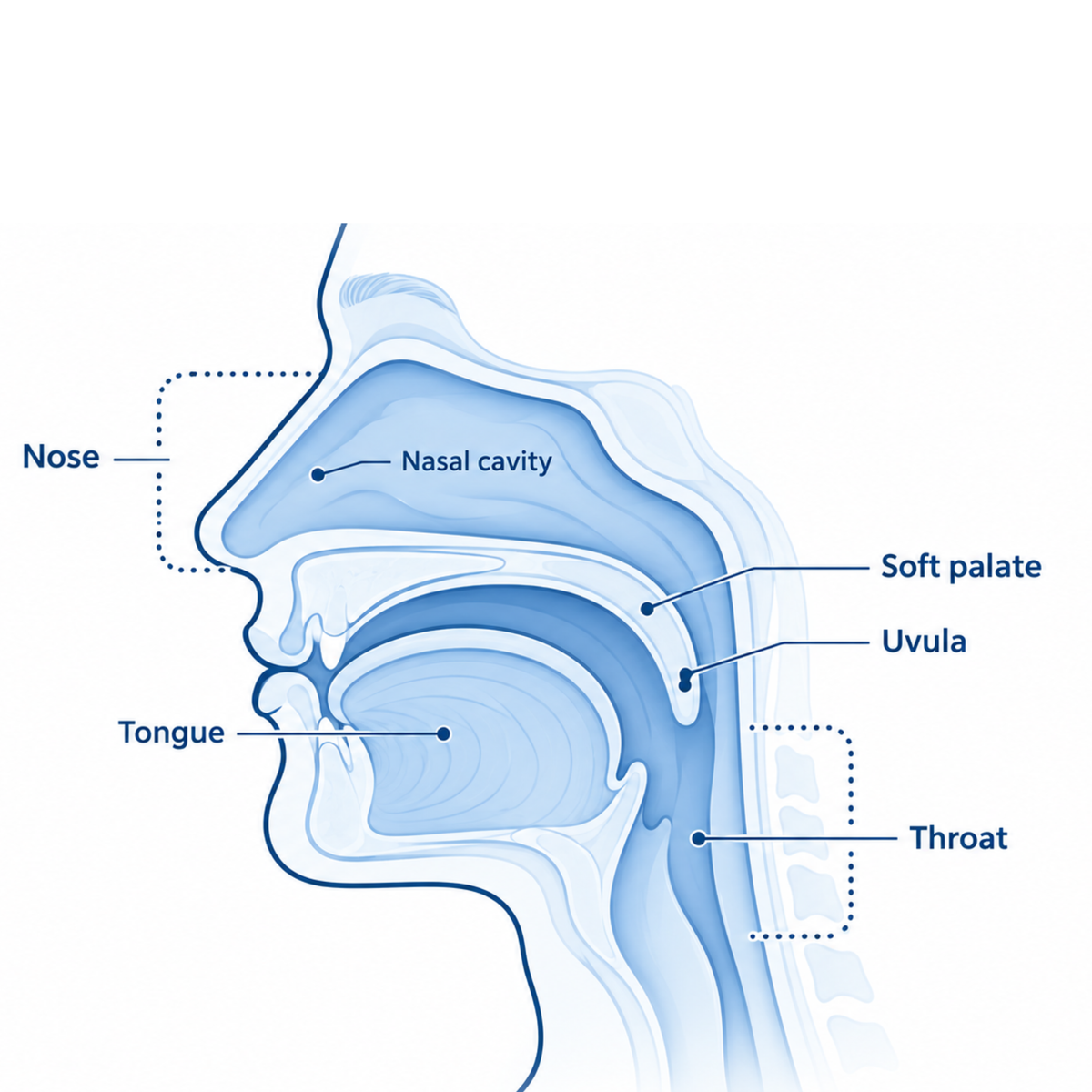
- Nose and mouth: The entry points for air
- Pharynx and larynx: Guides air to the trachea
- Trachea: Distributes air to the lungs
- Bronchi and bronchioles: Branches within the lungs
- Alveoli (alveoli): This is where gas exchange takes place
This system ensures that oxygen reaches your body and waste products, such as carbon dioxide, are expelled.

The journey of a breath: from air to life
1. Inhalation: oxygen enters
During inhalation, the diaphragm and intercostal muscles contract, causing your chest to expand. This creates negative pressure in the lungs, and air flows in. This air contains about 21% oxygen. How you take in that air makes a difference. Nasal breathing offers demonstrable benefits compared to mouth breathing.
2. Gas exchange in the alveoli
In the lungs, the inhaled air enters the alveoli. This is where the most important exchange takes place:
-
Oxygen diffuses from the alveoli into the small blood vessels (capillaries).
-
At the same time, carbon dioxide leaves the blood via the same capillaries and enters the alveoli to be exhaled.
This gas exchange (see photo below) happens incredibly fast, thanks to the thin walls of the alveoli and capillaries.
3. Transport by blood cells
After absorption, oxygen binds to hemoglobin in the red blood cells. These transport oxygen to all organs and tissues of the body. At the same time, the blood cells carry the waste product carbon dioxide back to the lungs for expulsion.

Why oxygen uptake is essential
Without oxygen, our energy production stops. Oxygen is needed to convert glucose into energy (ATP) through cellular respiration. Without sufficient oxygen, muscles, brain, and other organs quickly become exhausted. Symptoms of poor oxygen uptake include:
-
Fatigue
-
Dizziness
-
Shortness of breath
-
Poor concentration
A well-functioning respiratory system is therefore crucial for daily performance and long-term health.
The role of carbon dioxide: not just waste
Many people think that carbon dioxide is purely a waste product. But that is a misconception. CO₂ plays an essential role in:
-
Maintaining the pH balance of the blood
-
Regulating your breathing rate
-
Promoting oxygen delivery to cells (Bohr effect)
Too fast breathing, such as with stress or hyperventilation, can lead to a too low CO₂ concentration, resulting in symptoms such as tingling, anxiety, or dizziness. Controlled breathing can help with this. Techniques such as paced breathing train you to breathe more calmly and deeply.
What affects the functioning of the respiratory system?
Various factors can affect the efficiency of the respiratory system and gas exchange:
Physical factors
- Smoking
- Respiratory infections
- Asthma or COPD
- Poor posture (e.g., slumped chest)
Lifestyle factors
- Stress and chronic tension
- Unconscious, shallow breathing
- Lack of exercise
Positive influences
- Breathing exercises (as from breathing science)
- Yoga or meditation
- Improving posture
- Outdoor exercise
Practical tips to support your respiratory system
Do you want to be more aware of your breathing and optimize the functioning of your respiratory system? Then try these tips:
-
Breathe through your nose, not your mouth
-
Practice diaphragmatic breathing instead of high chest breathing
-
Exercise daily, preferably outdoors
-
Use breathing exercises such as box breathing or the Buteyko method
-
Pay attention to your posture, especially when sitting at a desk
More about the science behind breathing
Every day you breathe about 20,000 times, often without noticing it. But did you know that the way you breathe directly affects your sleep, focus, stress level, and even your immune system?
Breathing is not a side issue; it is the foundation. On this page, you will discover how breath and health are connected, what science says, and how you can experience more calm and energy with simple techniques.
🔍 Discover more about the science behind breathing
Conclusion: your breath as a health compass
The respiratory system is so much more than a mechanical system. It is a living, intelligent network that constantly exchanges information with the rest of your body. Understanding how gas exchange, oxygen uptake, blood cells, and carbon dioxide work together gives you more control over your own health.
Do you want more control over your energy, focus, and inner peace? Then start with your breathing. Breathe consciously. Live consciously.
What role does breathing play in your daily life? Leave your comment below, we are curious about your experience!


Deel:
Why do many people breathe 'incorrectly'? And how can they improve it?
What is sleep meditation and how do I do it?