



Why deep sleep is so important
Sleep is essential for our physical and mental recovery, but not all sleep is created equal. Deep sleep, in particular, plays a crucial role in how refreshed you feel upon waking. During this phase, your body recovers, growth hormones are produced, and your brain truly rests.
But for many people, especially busy professionals with stressful lives, deep sleep is anything but a given. Do you regularly wake up without feeling rested? Or do you lie awake for hours worrying? Then it's time to actively work on improving your deep sleep.
In this blog, you'll discover practical tips, insights, and tools that will help you sleep deeper, more peacefully, and for longer.
What exactly is deep sleep?
Deep sleep is part of NREM sleep (Non-Rapid Eye Movement). This phase is also known as restorative sleep and is mainly concentrated in the first half of the night. During this sleep phase:
-
Your heart rate and blood pressure drop
-
Your muscles fully relax
-
Tissues and cells are repaired
-
Memory consolidation occurs
It's no surprise then that a lack of deep sleep can lead to:
-
Fatigue
-
Irritability
-
Concentration problems
-
A weakened immune system
Why do you sometimes get too little deep sleep?
Several factors can disrupt your deep sleep:
-
Stress and worrying keep your body in a state of alertness
-
Irregular sleep patterns disrupt your sleep cycle
-
Too much screen time before bed inhibits melatonin production
-
Alcohol or caffeine late in the day disrupt your sleep structure
-
Too little exercise prevents natural fatigue
The good news? Much of this is within your control. Below, you'll find proven tips and useful tools that can improve your sleep quality.
7 tips to improve your deep sleep
1. Create a consistent sleep schedule
Go to bed and wake up at the same time every day, even on weekends. A stable rhythm supports your biological clock and promotes a natural sleep cycle.
2. Completely darken your bedroom
Light, especially blue light, inhibits melatonin production. Therefore, ensure a dark bedroom with:
-
Blackout curtains
-
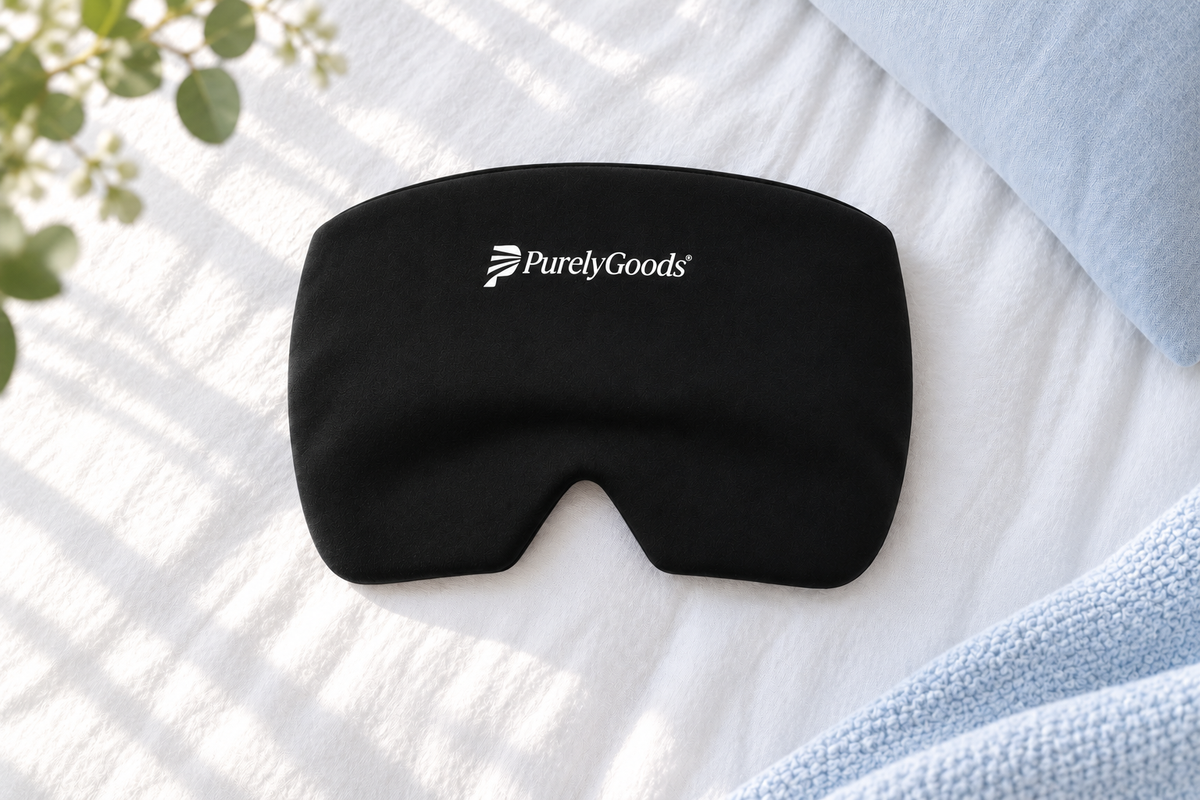
A sleep mask for complete darkness
-
Or even a sleep mask with headphones that allows you to listen to relaxing music or a sleep meditation without screen distractions
This gives your brain the peace and darkness it needs for deep sleep.
3. Avoid alcohol and caffeine in the evening
Alcohol may seem relaxing, but it disrupts your deep sleep. Caffeine can remain active in your body for up to 6 hours. Therefore, after 2 PM, avoid coffee or energy drinks.
4. Eat healthily, especially fiber and magnesium-rich foods
Nutrition plays a big role in sleep quality. For better deep sleep:
-
Eat fiber-rich foods like vegetables, whole grains, and legumes
-
Choose magnesium-rich foods like spinach, nuts, and bananas – magnesium helps relax your muscles
5. Exercise daily, preferably outdoors
Regular exercise, especially in daylight, helps your natural sleep-wake rhythm. Note: intense exercise right before bedtime can keep you awake. So plan heavy workouts earlier in the day.
6. Develop a calming bedtime routine
A consistent ritual helps your body switch to rest mode. Consider:
-
Meditation or breathing exercises
-
A warm shower or bath
-
Reading (no phone!)
-
Warm, caffeine-free herbal tea
-
Sleep music via a Bluetooth sleep mask to fall asleep quickly and relaxed
Make it easy for yourself; routine tells your brain it's time to recover.
7. Consider a single duvet (yes, really!)
Many people sleep restlessly due to their partner's movements. With your own duvet, you'll wake up less often and can choose the right thickness based on your warmth preference.

Bonus: use smart tools for deeper sleep
Sometimes you need that little extra to truly sleep deeply. These simple tools can give your night's rest a significant boost:
-
Sleep mask: blocks light and aids melatonin production
-
Sleep mask with headphones: combines comfort with relaxing sounds
-
Nasal strips: improve breathing and reduce snoring
-
Mouth tape: encourages nasal breathing and can counteract nocturnal snoring
These tools are safe, affordable, and surprisingly effective. It pays to experiment with what works for you.
Common mistakes that sabotage your deep sleep
Watch out for these pitfalls if you struggle with deep sleep:
-
Sleeping with your smartphone on your nightstand (blue light = melatonin killer)
-
Working or scrolling late in the evening
-
A bedroom that's too warm or a thick duvet
-
Eating a heavy dinner or eating right before bedtime
-
Not using simple aids like a sleep mask or nasal strips
📘 Need extra help? Download the PurelyGoods Sleep Guide
Want to work even more targeted on your sleep quality? Discover the PurelyGoods Sleep Guide: a practical manual full of sleep routines, relaxation exercises, and breathing techniques, developed in collaboration with sleep experts.
Conclusion: Improving deep sleep is easier than you think
A good night's sleep starts with conscious choices. By making adjustments to your environment, rhythm, diet, and by using simple sleep aids, you can improve your deep sleep and wake up refreshed again.
👉 Tip: Keep a sleep diary. Note how you sleep after small adjustments to discover what truly works for you.
We're curious: what's your golden tip for better sleep? Do you use a tool that really makes a difference? Share it in the comments below!

Deel:
Are binaural beats good for sleep?
What is the difference between REM sleep and NREM sleep?