



A good night's sleep is essential for your health, concentration, and daily functioning. Yet, for many adults, sleep does not come easily. Stress, restlessness, or physical factors such as snoring can severely disrupt sleep.
Fortunately, there are countless ways to improve your sleep without immediately resorting to heavy medication. In this blog, we discuss five types of sleep aids, from natural habits to innovative technology. This will help you discover which approach suits you best.
1. Behavioral and routine adjustments
A better night's sleep often starts with small adjustments to your habits and sleep environment. Behavior and routine form the foundation of a healthy sleep cycle. By becoming more conscious of your evening rituals, you can settle down faster and sleep more deeply.
Examples of effective adjustments:
- Maintain a consistent sleep schedule: go to bed and wake up at the same time every day.
- Avoid screens (such as your phone or laptop) at least 30 minutes before bedtime.
- Create a peaceful bedroom: dark, quiet, and not too warm.
- Do relaxation exercises, such as breathing techniques, meditation, or light yoga.
- Keep a sleep diary to discover which habits affect your sleep.
Do you want to get started right away with practical tips and insights?
Check out our sleep guide, a handy manual to improve your sleep behavior step by step.
By adjusting your habits and better understanding what affects your sleep, you lay the foundation for lasting improvement.
2. Physical aids for sleep comfort
Sometimes you literally need something that helps reduce stimuli or calm your body. Physical aids can immediately improve your sleep comfort.
Recommended aids:
- Mouth tape – Encourages nasal breathing, reduces snoring, and helps with a dry mouth.
- Earplugs - Protect against noise pollution from traffic, housemates, or snoring partners.
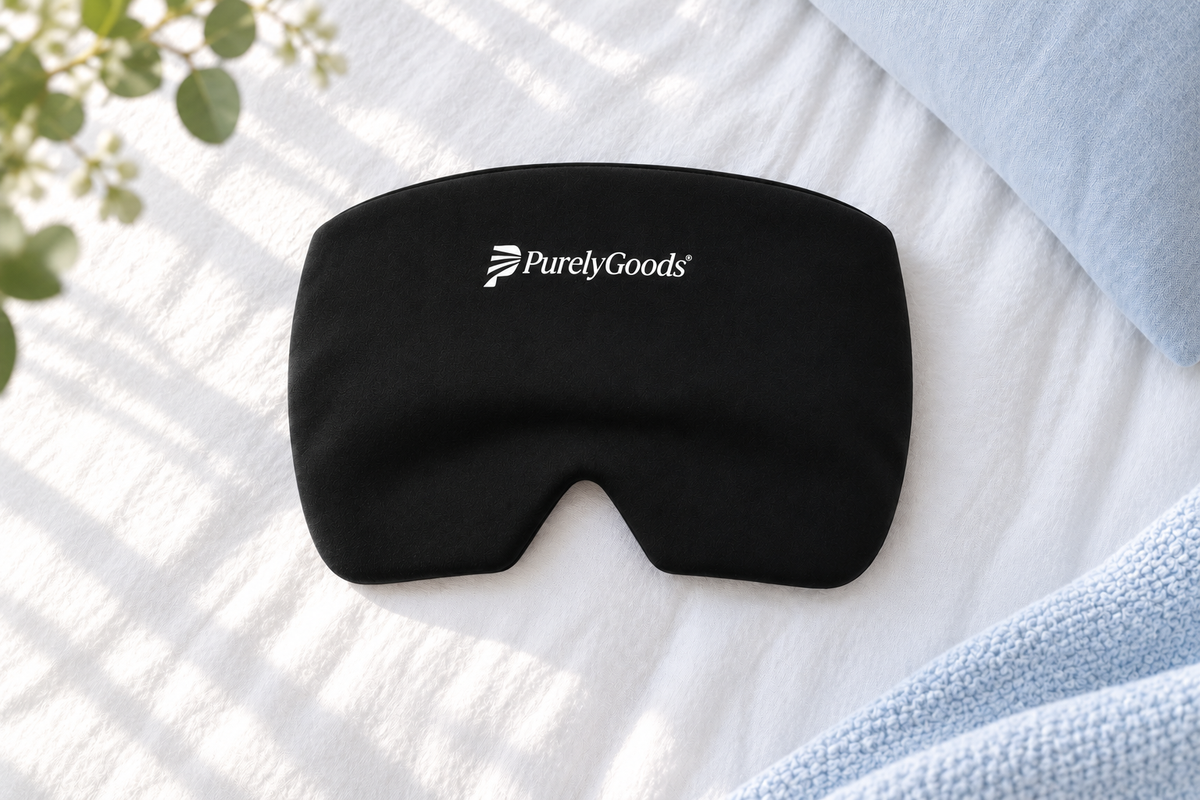
- Sleep mask – Helps to block out light and achieve deeper sleep.
- Sleep mask headphones – Combines darkness with soothing music or meditations, without loose earbuds.
- Nasal strips – Facilitate breathing and can reduce snoring.
These aids are easy to use and often provide immediately noticeable relief.

3. Natural supplements and herbs
For those who prefer not to use medication, natural remedies can provide a solution. They promote relaxation and can help you fall asleep more easily.
Commonly used natural remedies:
- Magnesium – Helps with relaxing muscles and the nervous system.
- Valerian – A calming herb that is often used for insomnia.
- Chamomile tea or lavender tea – Known for their calming effect.
- Melatonin (low dose) – Can help with a disrupted sleep-wake rhythm, but should be used carefully.
Natural remedies are a nice first step if you are experiencing mild sleep problems.
4. Technological sleep aids
The rise of sleep technology offers new possibilities to improve your night's rest. From soothing sounds to detailed insights into your sleep behavior.
Examples of technological aids:
- White noise machines – Create soothing background sounds such as rain or ocean waves.
- Sleep mask with music – Ideal for listening to meditations or music without loose cables.
- Sleep trackers – Provide insight into your sleep quality, duration, and interruptions.
- Smart lighting – Adapts to your biological clock by simulating natural light.
Technology can be supportive, but choose what suits you consciously and avoid overstimulation.
5. Medical aids and treatments
In some cases, natural or physical aids provide insufficient relief. In those instances, medical solutions may be necessary. These are preferably used under the supervision of a physician.
Consider:
- Prescription sleep medication – Only suitable for severe or long-term insomnia.
- Antihistamines – Sometimes used as a temporary sleep aid, but not intended for regular use.
- Cognitive behavioral therapy for insomnia (CBT-i) – A proven effective treatment method for structural sleep problems.
Medical remedies are not a first choice, but they can be meaningful if other methods do not work.
What works for you?
Everyone sleeps differently. What works for one person may have no effect on another. Try out different aids, start with the basics, and build from there.
Are you mainly bothered by light or noise? Then a sleep mask or earplugs may provide a solution. Do you have trouble relaxing before going to sleep? Then look at breathing exercises, supplements, or a white noise machine. View our comparison of our sleep aids here.
At PurelyGoods, we offer aids that support you in improving your sleep in a natural and practical way.
Check out our products:
- Mouth tape for sleeping
- Sleep masks
- Nasal strips against snoring
- Silicone sleep earplugs

Conclusion
Sleep aids come in many forms, from simple habits to technological innovations. The key is to discover what suits you. Start by adjusting your routine, try natural support, and add physical or technological aids where necessary.
Allow yourself the rest you need. Sleep is not a luxury; it is a basic necessity.
Have you already tried any aids that make a real difference? Share your experience in the comments.
Deel:
What is the difference between the sympathetic and parasympathetic nervous systems?
Best anti-snoring mouthpiece 2026: Why the Comfort model is the most comfortable solution for snoring