



Sleep aids are more popular than ever. Yet the question remains: which sleep aids actually work? And perhaps more importantly: what is safe to use daily?
If you are a light sleeper, wake up often, or suffer from snoring (whether your own or your partner's), a sleep aid can make a big difference. However, not every aid suits every problem. In this complete guide, you will discover what works, how it affects your body, and what you need to realistically take into account.
Why are sleep aids being used more and more?
Sleep is fragile. Light, sound, breathing, and muscle tension all play a role. With minor sleep problems, there is often no medical cause, but rather a combination of factors:
- Mouth breathing
- Partially blocked nose
- Snoring
- Ambient noise
- Light disturbance
Sleep aids usually target one of these factors. They do not resolve a chronic sleep disorder, but they can support you during minor disturbances.
Which sleep aids actually work?
That depends on your specific problem. Below, we discuss the most commonly used aids and how they work.
Mouth tape: breathing better during sleep?
Mouth tape is used to reduce mouth breathing at night. By keeping your lips gently closed, you stimulate nasal breathing.
What happens in your body?
Nasal breathing:
- Filters and humidifies air
- Improves oxygen intake
- Supports a calmer breathing rhythm
People who breathe through their mouth wake up more often due to a dry throat or restless breathing.
Does it work?
For minor mouth breathing or waking up dry, it can help. Especially if snoring is partly caused by an open mouth.
Is it safe?
For healthy adults without serious nasal congestion, usually yes. Not suitable for:
- Severe nasal obstruction
- Sleep apnea
- Feelings of panic when the mouth is closed
Realistic: it is not a miracle cure, but it can make a subtle difference for the right person.

Nasal strips: immediate relief for nasal congestion
Nasal strips gently pull the nostrils open. This mechanically increases the air passage.
What do you notice?
- Less resistance when inhaling
- Calmer breathing
- Sometimes less snoring noise
When do they work well?
For minor nasal congestion or anatomically narrow nasal passages.
Safe for daily use?
Yes, for most people. They work externally and do not affect your body internally.
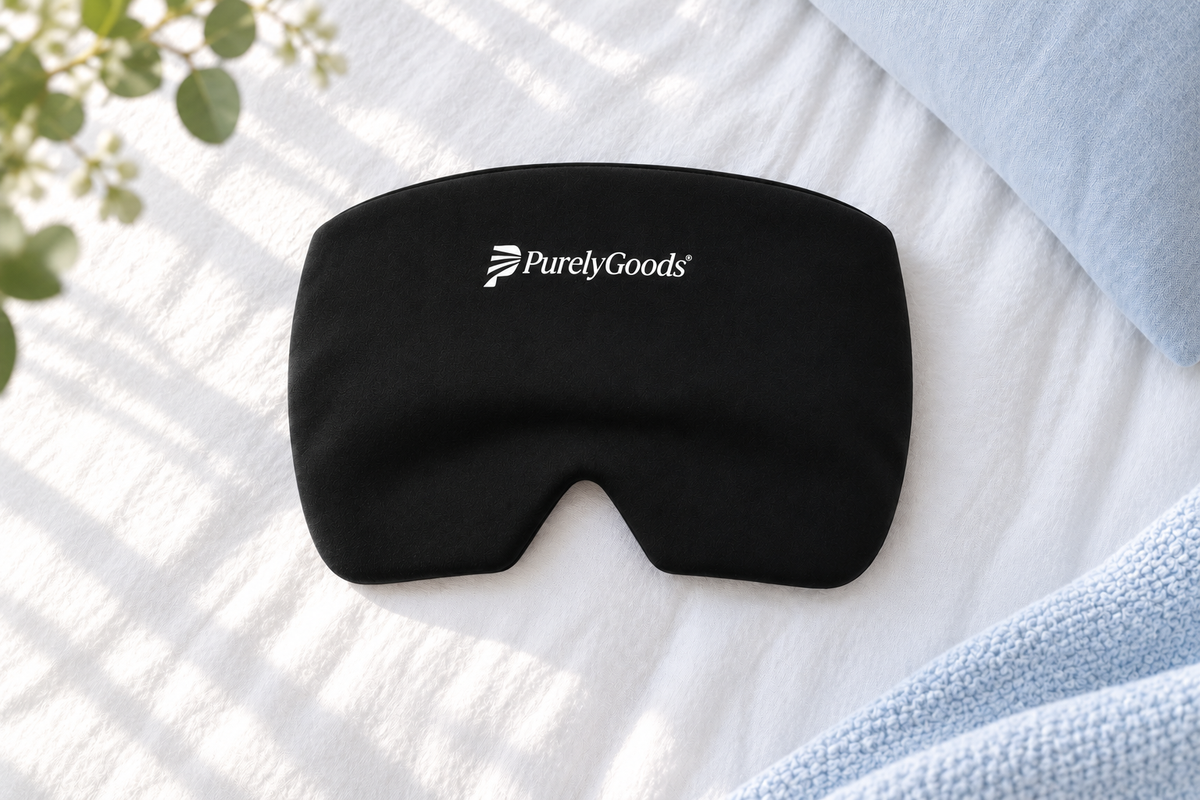
Sleep masks: protection against light
Even small amounts of light affect your melatonin production. Especially for light sleepers, street lighting or a screen can disturb your sleep.
How does it work?
Good sleep masks:
- Block out light
- Reduce visual stimuli
- Help your brain enter a resting state faster
Who is this ideal for?
- People sensitive to light
- Irregular work shifts
- A partner who goes to bed later
Safe and suitable for daily use, provided they are made of comfortable and breathable material.
Sleep earplugs: less noise, fewer micro-awakenings
Sound activates your nervous system, even if you don't wake up fully. This is called micro-awakening.
What do earplugs do?
- Reduce ambient noise
- Protect against snoring sounds
- Stabilize your sleep cycles
What should you watch out for?
- Proper fit
- Breathable material
- Regular replacement
Safe for most people when used correctly.

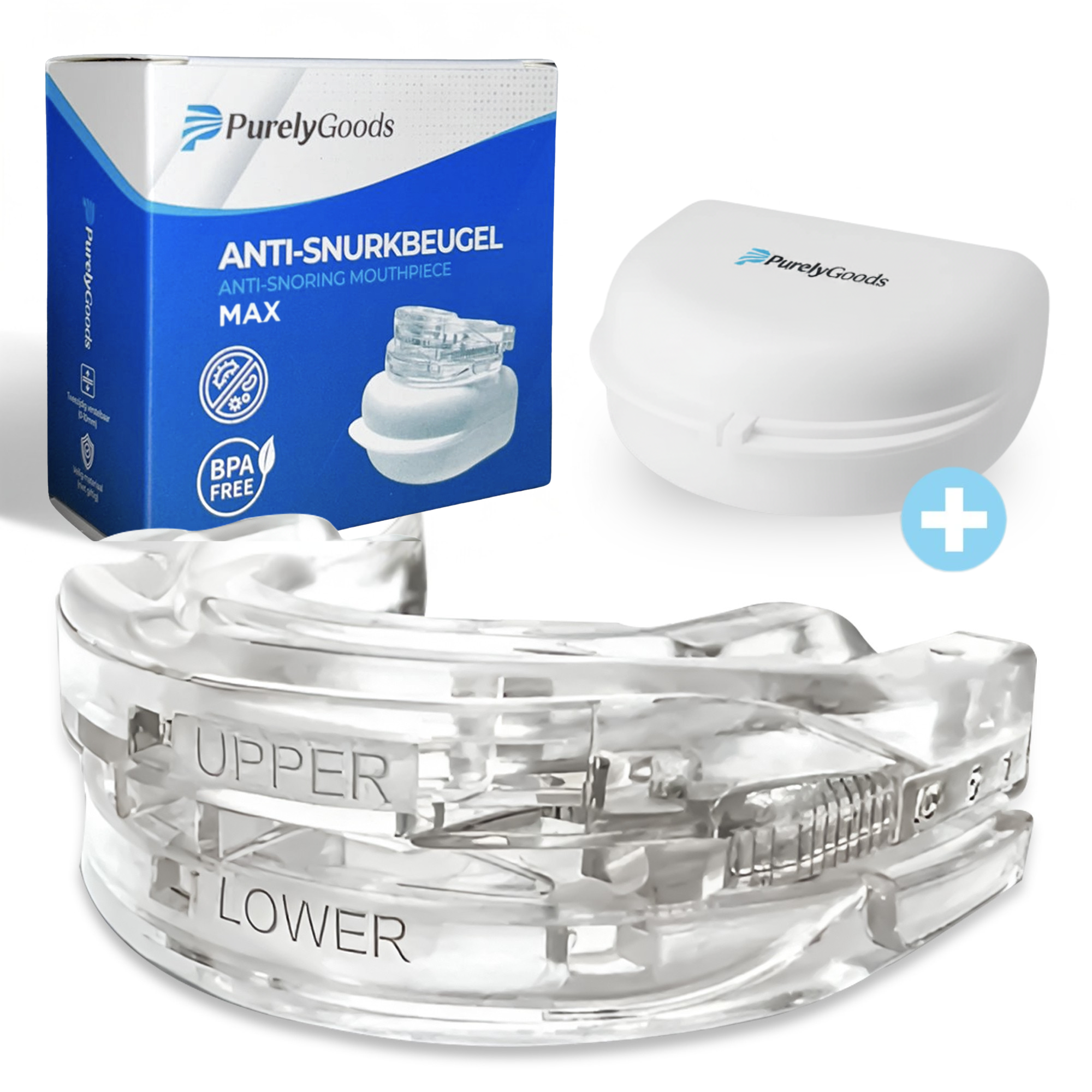
Snoring mouthpieces: mechanical jaw support
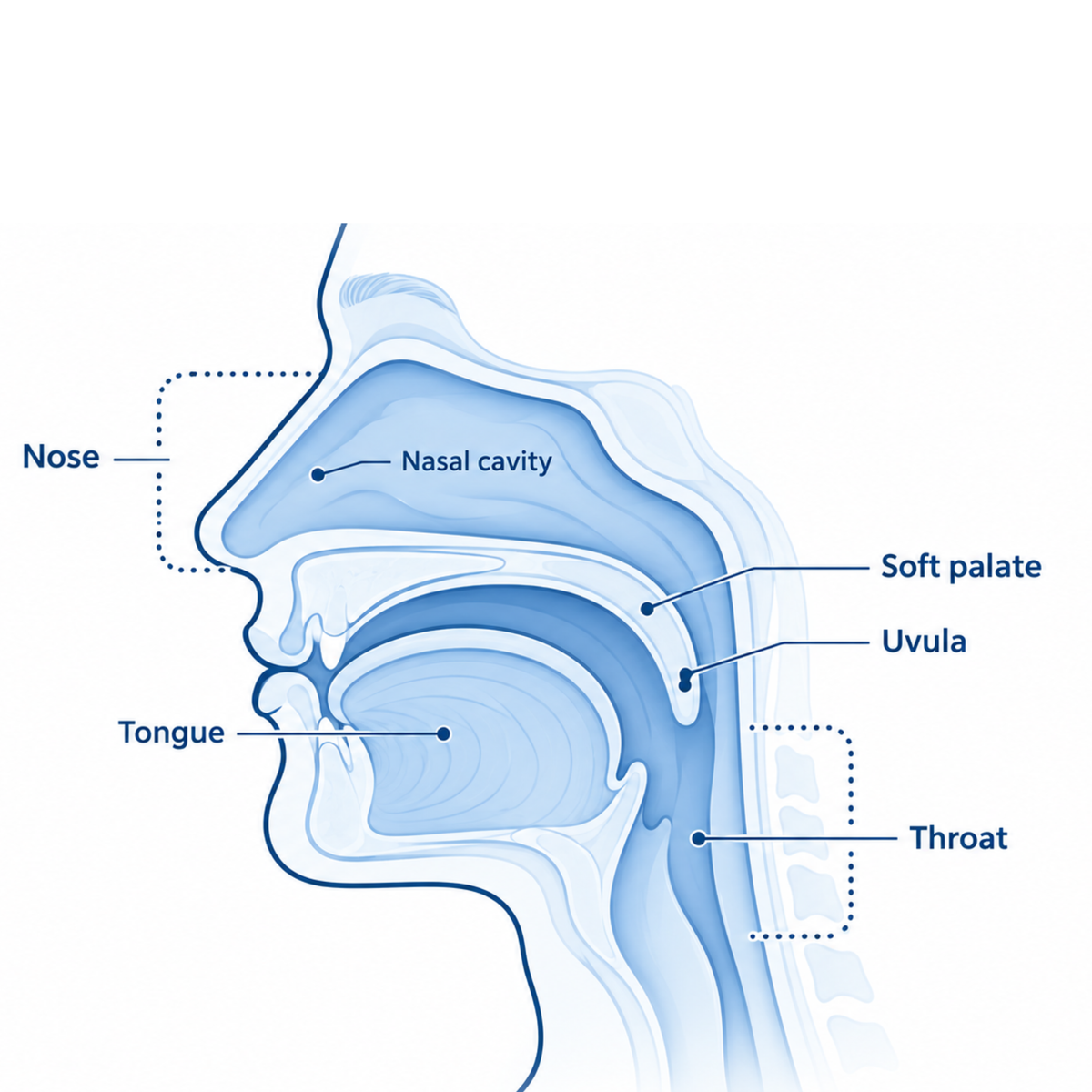
Snoring mouthpieces (mandibular advancement devices) keep the lower jaw slightly forward.
What happens physiologically?
By bringing the jaw forward:
- The airway stays wider
- Vibrations in the throat are reduced
- Snoring noise decreases
Does it work?
Often effective for positional snoring. Less suitable for complex breathing problems.
Daily use?
It is possible, but it may take some getting used to. Some people experience jaw tension.
What is the best sleep aid?
There is no universally best sleep aid. It depends on your dominant problem.
| Problem | Potentially suitable aid |
|---|---|
| Light sensitivity | Sleep mask |
| Noise / snoring partner | Earplugs |
| Mouth breathing | Mouth tape |
| Nasal congestion | Nasal strips |
| Snoring from the throat | Snoring mouthpiece |
The key is: choose specifically, not randomly. View an extensive comparison of the sleep aids here.
Is it smart to combine multiple sleep aids?
Yes, provided they are combined logically.
Example:
- Mouth tape + nasal strip (for nasal resistance and mouth breathing)
- Sleep mask + earplugs (for light and sound)
Not smart:
-
Using everything at once without knowing what your problem is
Start with one adjustment. Evaluate. Only add something if necessary.

What is safe for daily use?
Most non-medicinal sleep aids are safe when used correctly:
- They do not change your hormones
- They contain no active pharmaceutical ingredients
- They work mechanically or externally
However:
Remain critical of your own experience. Do you experience pain, shortness of breath, or stress? Then stop.
For persistent sleep problems or suspected sleep apnea, a professional assessment is advisable.
Realistic expectations
Sleep aids improve conditions. They do not "create" sleep.
They work best for:
- Minor sleep problems
- Environmental factors
- Breathing-related disturbances
They do not replace a sleep routine, stress management, or lifestyle.
Conclusion: which sleep aids actually work?
Sleep aids work when they match your specific problem.
Mouth tape can help with mouth breathing. Nasal strips with nasal resistance. Sleep masks and earplugs protect against external stimuli. Snoring mouthpieces mechanically support the airway.
There is no magic solution. However, there are practical aids that, when used correctly, can make your sleep calmer and more stable.
Are you hesitating between multiple options or are several factors at play simultaneously? It can be practical to combine several sleep aids and try them out calmly, for example through our bundle products for sleep aids.
Which factor disturbs your sleep the most: light, sound, or breathing?
Deel:
How to choose the best sleep mask for your sleeping position?
Why stress keeps you awake