




A good night's sleep doesn't begin when you get into bed. It's the result of habits, timing, and signals your body receives throughout the day and in the evening. In this blog, you'll discover how to build a consistent sleep routine – not with rigid schedules, but with achievable steps that align with your life and biological clock.
Why is a sleep routine important?
Your body loves predictability
Your body operates according to the circadian rhythm, an internal clock of approximately 24 hours that regulates processes such as temperature, hormone production, and sleep. If you go to bed at a different time each day or have an irregular evening schedule, this rhythm gets disrupted. You'll find it harder to fall asleep, wake up more often, and feel less rested during the day.
Sleep is more than just getting hours
Many people think, "If I just spend eight hours in bed, I'll sleep well." But it's not just about the quantity of sleep; when you sleep and how prepared your body is also play a role. A consistent sleep routine helps you fall asleep faster, sleep longer, and wake up feeling more refreshed.

What is a good sleep routine?
A sleep routine is a series of consistent habits that teach your body to recognize the signal: "It's time to sleep." These can look slightly different for everyone, but the basic principles remain the same:
1. A fixed time
Wake up around the same time every day, even on weekends. This helps stabilize your circadian rhythm. Going to bed at a fixed time is important, but waking up is even more crucial.
2. Gentle transition to the night
Make time for relaxation in the hour before you go to sleep. Avoid screens, bright lights, and stressful activities. Instead, opt for:
- Reading or soft music
- A warm shower or footbath
- Breathing exercises
- Light stretching or yoga
3. Enhance sleep signals
You can subtly help your body produce melatonin, the hormone that induces sleepiness. You do this, for example, by:
- Avoiding blue light in the evening (phones, laptops)
- Seeking out daylight immediately in the morning
- Wearing a sleep mask if sensitive to light
- Using mouth tape or nasal strips to breathe more calmly during sleep
How to build a routine that suits you?
Start with one habit
A complete evening routine sounds good, but start small. Choose one new habit and repeat it daily. For example: making a cup of herbal tea every evening at 10:00 PM. That small ritual forms the anchor for the rest.
Anchor your routine in time
You don't have to create a strict schedule, but do mark blocks of your evening:
| Time | Activity |
|---|---|
| 21:00 | Screens off, dim lights |
| 21:15 | Shower or calm breathing |
| 21:30 | Read or wind down the day |
| 22:00 | In bed |
Tip: You can use a reminder on your phone or a gentle light alarm clock to help you remember.
Avoid these pitfalls
- Trying to change too much at once - Keep it simple.
- Making big jumps in bedtime – Adjust your time by a maximum of 15 minutes per day.
- Misusing sleep aids – Aids work best within a routine, not as a standalone solution.

Which aids can strengthen your routine?
Creating a pleasant sleep experience can be easier with support. Not as a magic solution, but as reinforcement of what you already do:
Mouth tape
For those who unconsciously breathe through their mouth, soft mouth tape can help breathe through the nose. This promotes deeper, calmer sleep and reduces snoring.
Nasal strips
Facilitate nasal breathing, especially with stuffy noses or mild obstruction. Can be combined with mouth tape for extra comfort.
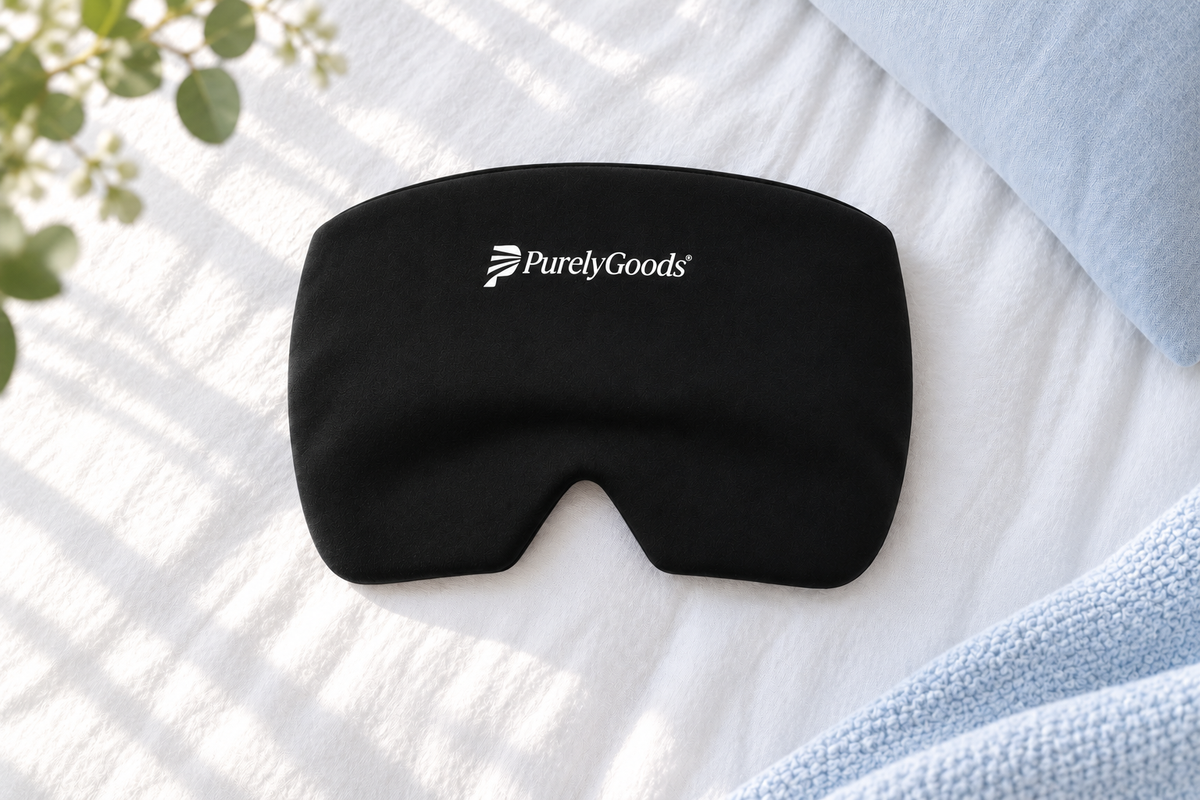
Sleep mask
Blocks light stimuli that can disrupt your melatonin production. Especially useful in brighter bedrooms or during the summer months.
Products like these are carefully selected by PurelyGoods, simple, effective, and adapted for daily use.
Sleep routine vs. sleep rhythm; what's the difference?
- Sleep routine = your behavior before going to sleep
- Sleep rhythm = your internal clock that determines when you get tired
Both influence each other. By following a consistent routine, you nourish your sleep rhythm. And as your rhythm becomes more balanced, it becomes easier to stick to your routine.
What do you notice when your sleep routine works?
A well-functioning routine yields more than just falling asleep faster. You may also notice:
- You wake up more calmly, without an alarm clock
- You feel more stable and less irritable during the day
- You recover better from stress or physical exertion
- You snore less or sleep deeper
- You feel more in control of your own energy
Conclusion: build your sleep, step by step
Building a consistent sleep routine is not a matter of discipline, but of repetition and alignment. It's about gentle habits that help your body to unwind at the right time. Start small, be kind to yourself, and trust in the effect of regularity.
Do you want to strengthen your routine with simple aids like mouth tape, nasal strips, or a comfortable sleep mask? Discover PurelyGoods products – designed for tranquility, simplicity, and daily comfort.
And you?
Do you already have an evening habit that works for you?
Or are you looking for your first small step?
Let us know in the comments or check out our sleep guide for beginners.

Deel:
Measuring air quality in your home: the first step towards a healthy living environment
Best Sleep Mask 2026: Why PurelyGoods Cotton is the Smartest Choice