



Do you sleep on your side and wake up easily from light? Then there's a good chance that a standard sleep mask won't work well for you. A sleep mask for side sleepers needs to be designed differently than a mask for back or stomach sleepers. You want complete darkness, but without pressure on your eyes or temples.
In this guide, you'll discover how to choose the best sleep mask for your sleeping position. You'll learn what to look for, common mistakes to avoid, and which type of mask suits light sleepers who prioritize comfort.
Why your sleeping position determines which sleep mask works
Many people buy a sleep mask based on appearance or price. But your sleeping position is at least as important.
As a side sleeper, there's constant pressure on one side of your face. A mask that is too thick or stiff can:
- shift during the night
- let light in near the nose
- put pressure on your eye socket
- cause headaches or discomfort
A sleep mask for your sleeping position must therefore take into account pressure distribution, fit, and material.
What does a side sleeper really need?
If you sleep on your side and are a light sleeper, these are the most important features:
1. Thin and flexible material
A thick 3D mask might be comfortable for back sleepers, but for side sleepers, extra bulk often causes pressure. Opt for a soft, flexible mask that conforms to your face.
2. No hard seams or thick edges
Edges quickly press against your cheekbone when you lie on a pillow. A comfortable sleep mask has finished, soft edges.
3. Good blackout without tightening
Many people tighten their masks to block out light. This causes pressure on your eyes. The solution lies in fit and material, not tension.

Better sleep with a sleep mask: what happens in your body?
Light, even soft morning light, affects your biological clock. Through your eyes, your brain receives the signal that it's time to wake up. This process occurs via the hormone melatonin.
For light sleepers, this reaction is often more sensitive. A small light source can be enough to disrupt your sleep.
A well-fitting eye mask for your sleeping position helps to:
- keep your melatonin production more stable
- reduce nocturnal awakenings
- fall back asleep faster
- stay deeper in your sleep phases
That doesn't mean a mask solves all sleep problems. Stress, breathing, and temperature also play a role. But light reduction is often a simple first step.
Which type of sleep mask suits your sleeping position?
Here's the difference between the most common options:
| Sleeping Position | What often works well | What is less suitable |
|---|---|---|
| Side sleeper | Thin silk mask, soft cotton, flexible strap | 3D masks with thick edges |
| Back sleeper | Mask with nose flaps | Too thin masks that let light through |
| Stomach sleeper | Very light, minimalist mask | Any stiff or bulky model |
For a stomach sleeper's mask: the more minimalist, the better. Stomach sleepers often toss and turn more, causing a heavy mask to shift more easily.

Silk or cotton: which feels more comfortable?
Material makes a big difference in comfort.
Silk sleep mask
Silk feels smooth and cool. It reduces friction on the skin and is lightweight. For side sleepers with pressure-sensitive eyes, this can be pleasant because the material conforms flexibly. View our silk sleep mask here.

Cotton sleep mask
Cotton feels slightly firmer and more absorbent. Many people find this more stable. A dark blue or ocean blue cotton mask often provides very effective blackout due to its denser weave.
What's better depends on your preference. Do you easily feel warm or experience skin irritation? Then silk is often more comfortable. If you want a bit more structure and firmness? Then a cotton sleep mask might be pleasant.

Common mistakes when choosing a sleep mask
-
Wearing too tight
Tighter doesn't mean better blackout. It only increases pressure. -
Only looking at reviews without considering your sleeping position
What works for a back sleeper doesn't automatically work for you. -
Not paying attention to light leakage at the bridge of the nose
This is the most common reason why people think a mask "doesn't work." -
Forgetting that getting used to it takes time
Your brain sometimes needs a few nights to get used to a mask.
How do you know if your current mask is not suitable?
Ask yourself these questions:
- Do you wake up with pressure around your eyes?
- Does your mask shift as soon as you turn on your side?
- Does light get in from the bottom?
- Do you still wake up early at sunrise?
If you answer yes to multiple questions, then it's probably not a suitable sleep mask for your sleeping position.
Realistic expectations
A sleep mask is not a miracle cure. It mainly helps with:
- light sensitivity
- early sunrise
- sleeping in bright environments
- travel or irregular working hours
Do you suffer from chronic insomnia or serious breathing problems? Then it's wise to look more broadly at sleep habits, stress levels, and breathing.
Conclusion: choose based on how you sleep
The best sleep mask for your sleeping position is not necessarily the most expensive or most popular model. It's the mask that suits how you sleep.
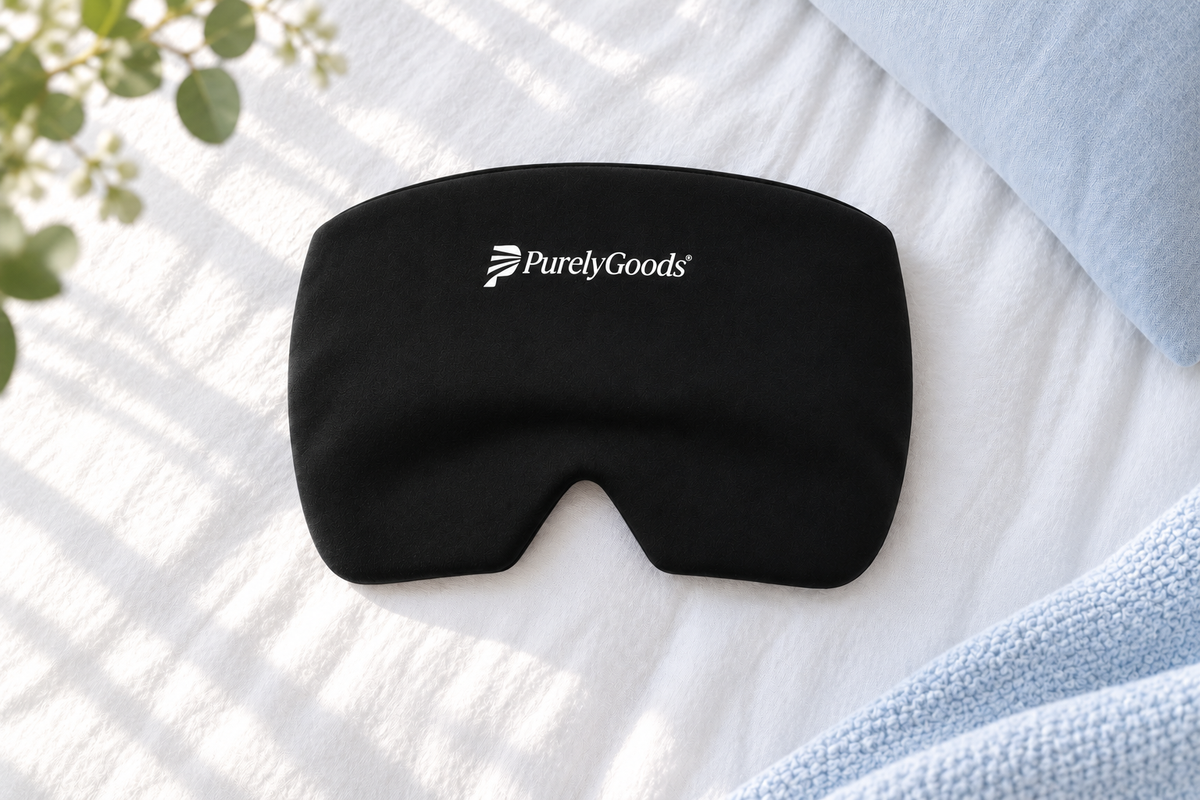
Are you a side sleeper with light sleep? Then opt for a thin, flexible, and soft mask, for example, made of silk or comfortable cotton, that provides complete darkness without pressure on your eyes.
This way, you support your natural sleep rhythm and increase the chance of deeper, more restful nights.
Do you want to discover which material feels most comfortable for you: silk or cotton? View our sleep masks here.
Deel:
Best Sleep Mask 2026: Why PurelyGoods Cotton is the Smartest Choice
The complete guide to sleep aids