



Written by Jill Engelsman-Gamma
Have you ever noticed that your breathing seems faster or more shallow at night than during the day? This can feel unsettling, especially when you're hoping for deep relaxation. It's completely normal for your breathing to change during the night, but there are ways to support it so you sleep more peacefully, recover more deeply, and wake up with more energy.
In this blog, I will explain:
- why your breathing is often faster at night,
- how this relates to sleep stages and your body posture,
- which habits during the day can help,
- and what exercises you can do to breathe more calmly at night.
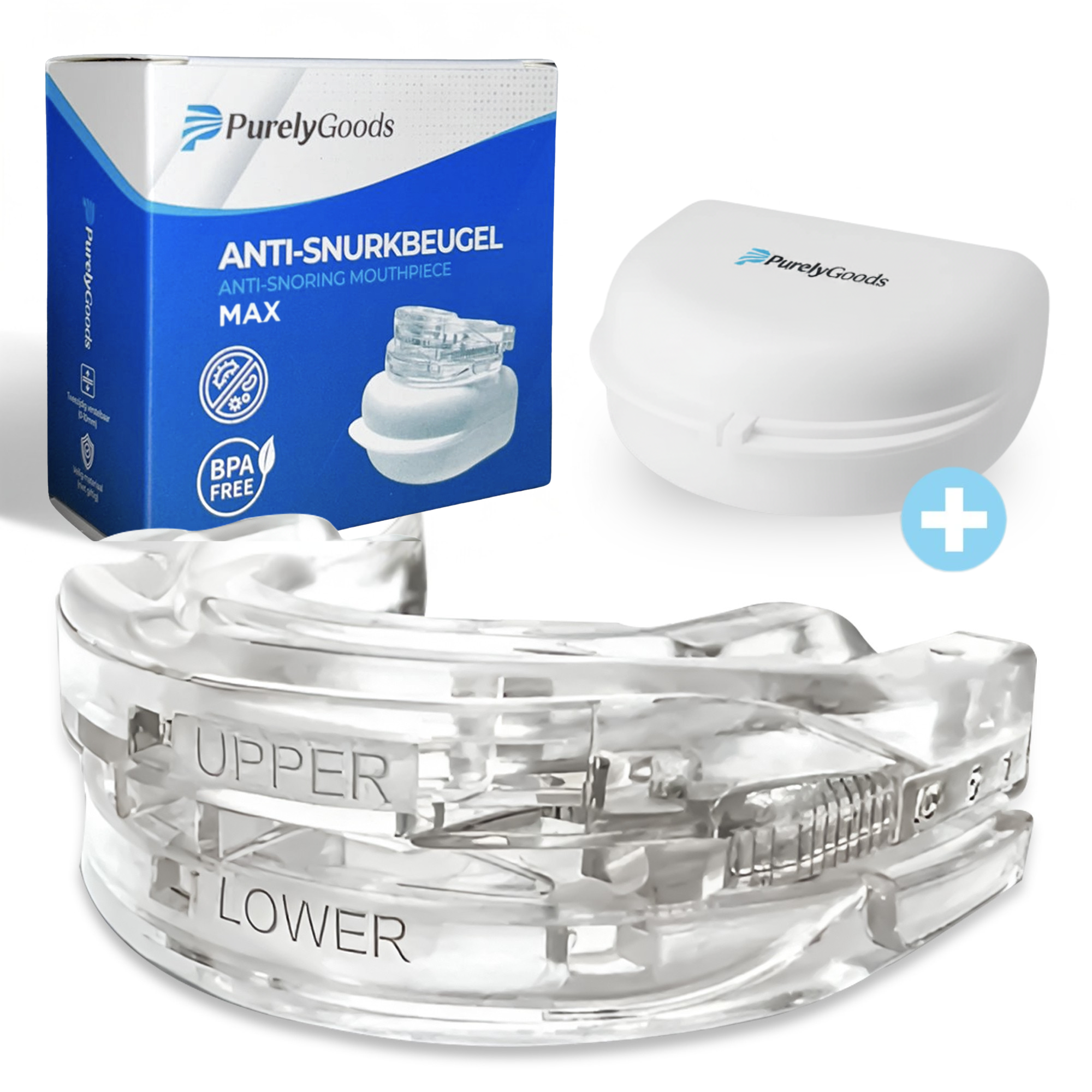
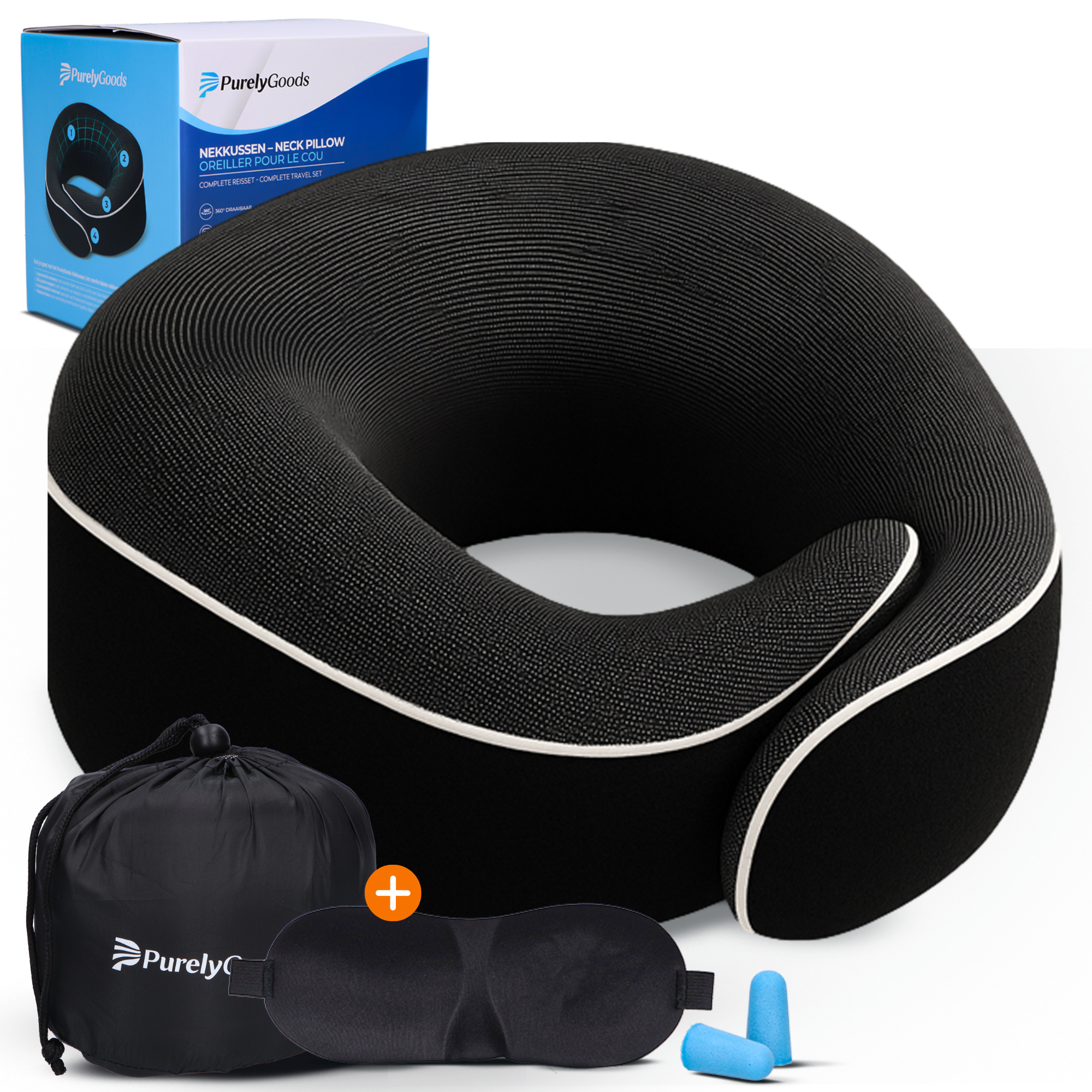
Additionally, I'll share a tool I'm enthusiastic about: the mouth and nasal tapes from PurelyGoods, which can support your breathing during sleep.
Why do you breathe faster at night?
There are several reasons:
Sleep stages
During REM sleep (dream sleep), your brain activity is almost as high as during the day. This leads to faster and more irregular breathing. In deep sleep (non-REM), your breathing is slower and more regular.
Body posture
When you lie down, the weight of your organs presses more against your lungs and diaphragm. This makes breathing mechanically slightly heavier, and your body compensates for this with a slightly higher breathing rate.
Recovery processes
At night, your body is busy with recovery, repair, and hormone regulation. This requires energy and can temporarily increase your oxygen demand.
Nervous system
During REM sleep, the sympathetic nervous system (action mode) temporarily becomes more active. This is reflected in fluctuations in heart rate and breathing.
What can you do to breathe more calmly at night?
The foundation for calm nighttime breathing begins during the day. When your days are filled with stimuli, appointments, and constant alertness, your nervous system remains in a higher state of readiness. You carry that into the night. A brain that gets few breaks during the day will continue to process at night - which can lead to restless breathing and shallow sleep.
Compare it to the feeling after a long beach walk: clearing your head, fresh air, mental space. Often, you'll notice you sleep deeper that very evening. Your brain got to switch OFF for a bit, your senses received different quality input, and your nervous system could recover.
Of course, it doesn't have to be a beach walk every day. Even smaller moments make a difference.
During the day can help:
In our busy lives, it's not always possible to visit nature daily. Still, you can subtly influence your nervous system with short breathing exercises or conscious breath observation. This sends a signal to your body: I am safe, I am okay. Your heart rate can decrease, your system comes into balance - with a noticeable effect on your sleep later in the evening.
A good exercise is Coherent Breathing:
- 5.5 seconds inhale
- 5.5 seconds exhale
This rhythmic breathing ensures your heart and brain get into a kind of 'sync', which provides deep calming. On Spotify, you can find here a playlist specially made to breathe in this rhythm.

Evening ritual
Be aware that everything you do, see, hear, or feel in the evening is direct input for your nervous system. See your body as a system that continuously reacts to what you offer it: every stimulus has an effect.
That's why it helps to choose calming signals in the evening:
- dimming the lights a bit,
- limiting screen time,
- no more intensive sports,
- and preferably no exciting or emotionally charged series or movies.
End the day with a simple breathing ritual that allows your nervous system to settle into rest and recovery. This way, you make the transition to night smooth and support calm breathing during your sleep.
Before going to sleep:
- Calm nasal breathing with longer exhalations (e.g., 4 counts in, 6–8 counts out).
- Light breathing: small, gentle breaths that help you retain more CO₂, which has a calming effect on your body. Focus on low, calm belly/diaphragmatic breathing.
- Also try this exercise: inhale for 4 counts, hold for 7 counts, and exhale for 8 counts.
During the night:
- Promote nasal breathing: This filters, warms, and humidifies the air and helps keep your breathing rate low. It also prevents CO2 loss.
-
A supportive sleeping position: lying on your back or side makes diaphragmatic movement easier and promotes calmer breathing.

My experience with mouth and nose tapes
During the day, you can consciously guide and adjust your breathing, but at night, your autonomous nervous system takes over completely. This means many people unconsciously breathe through their mouths. Mouth breathing can lead to a faster breathing rate, higher heart rate, dry mouth, less efficient oxygen absorption, and in some cases, even snoring.
That's why using mouth or nose tapes at night can help. I have thoroughly tested PurelyGoods products myself. My experience:
- I woke up noticeably more rested.
- I breathed calmer and less because I continued to breathe through my nose.
- The tapes feel safe and comfortable and are specially developed for use during sleep.
I am happy to recommend these products. They offer a simple, natural way to maintain the benefits of nasal breathing all night long.
In conclusion…
Your breathing is the bridge between your body and your nervous system. Through conscious breath training and supporting nasal breathing at night, you give yourself the opportunity to truly recover deeply. Small habits, big impact.
Would you like to know more or try the products yourself? Click here.
Deel:
What does a breath coach do? Discover the power of breath coaching and better breathing
What does too little sleep do to a child?