



A good night's sleep is essential for our health and well-being. However, for parents leading busy lives, getting enough quality sleep can be a challenge. A simple solution that is gaining popularity is the use of a sleep mask. In this blog, we discuss why sleeping with a sleep mask is good for you and how it can improve your sleep experience.
The benefits of a sleep mask
Darkness for deeper sleep
One of the main benefits of a sleep mask is the darkness it provides. By completely blocking out light, a sleep mask helps create a dark environment that is essential for melatonin production. Melatonin, also known as the sleep hormone, plays a crucial role in regulating our sleep-wake cycle. Higher melatonin levels generally mean better and deeper sleep.
Improvement of sleep quality
A good night's sleep depends not only on the amount of sleep we get but also on its quality. A sleep mask can help improve the quality of your sleep by promoting REM (Rapid Eye Movement) sleep. This is the sleep phase where our brains actively process dreams and our body systems recover. An increase in REM sleep contributes to feeling more rested and improved cognitive functions.
Stress reduction
Wearing a sleep mask can also contribute to stress reduction. A dark sleep environment helps the body enter a deeper state of relaxation, which can lower stress hormones like cortisol. Less stress often means a calmer and deeper sleep rhythm, which is especially important for parents who have a lot on their minds during the day.

Different types of sleep masks
1. Sleep mask with headphones
An innovative type of sleep mask that is gaining popularity is the headphone sleep mask. This type of mask not only provides darkness but also allows you to listen to soothing music or sleep meditations. This can be an effective way to fall asleep and create a relaxing sleep environment, without being bothered by external noises.

2. Silk sleep masks
Silk sleep masks are another excellent choice, especially for people with sensitive skin. Silk is a soft and breathable material that helps care for the skin around the eyes. Using a silk sleep mask can help reduce puffiness and fine lines, making you look fresher in the morning.

3. 3D sleep masks
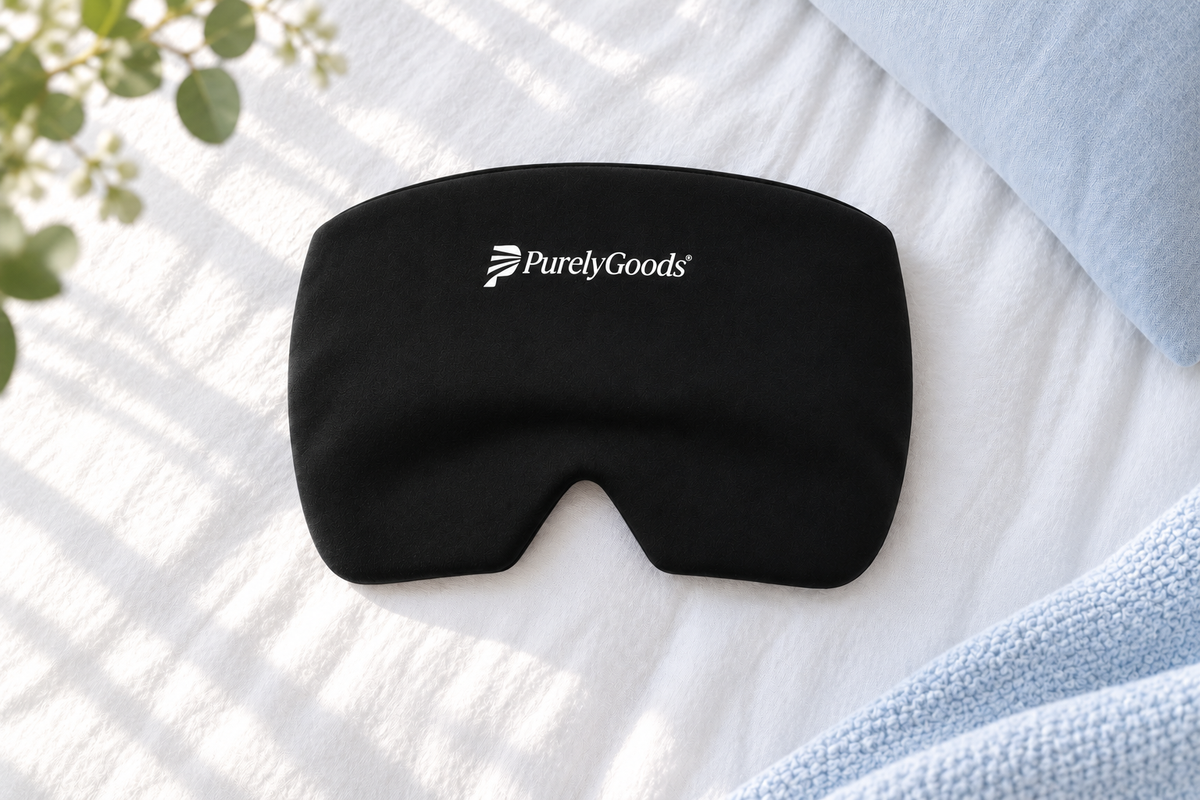
3D sleep masks are designed with eye cavities that provide extra comfort and prevent the mask from pressing against your eyes. This type of mask offers a unique fit that is not only effective in blocking light but also helps reduce pressure and discomfort around the eyes. This improves your sleep experience, especially if you are sensitive to pressure on your eyes.
4. Filled sleep masks
Some sleep masks are filled with materials such as lavender or gel. Lavender masks can have a calming effect due to the natural scent of lavender, which is known for its relaxing properties. Gel-filled masks can be used both warm and cold for extra comfort and to reduce any swelling around the eyes.
Practical tips for using a sleep mask
- Choose the right material: For comfort and skin care, silk sleep masks are an excellent choice.
- Ensure a good fit: A sleep mask must fit well to be effective. Make sure the mask is not too tight but fits snugly to keep light out.
- Try a headphone sleep mask: If you have trouble falling asleep, a headphone sleep mask that plays music or sleep meditations can be a good option.
- Use the mask regularly: It may take some time to get used to wearing a sleep mask, but consistent use can maximize the benefits.
Conclusion
Sleeping with a sleep mask can offer significant benefits for parents striving for a better sleep experience. Whether it's to increase melatonin production, improve sleep quality, or reduce stress, a sleep mask can be a valuable addition to your sleep routine. With different types of sleep masks available, including wireless and silk variants, there's something for everyone.
Deel:
What are the consequences of incorrect breathing?
How many hours of sleep do you need?